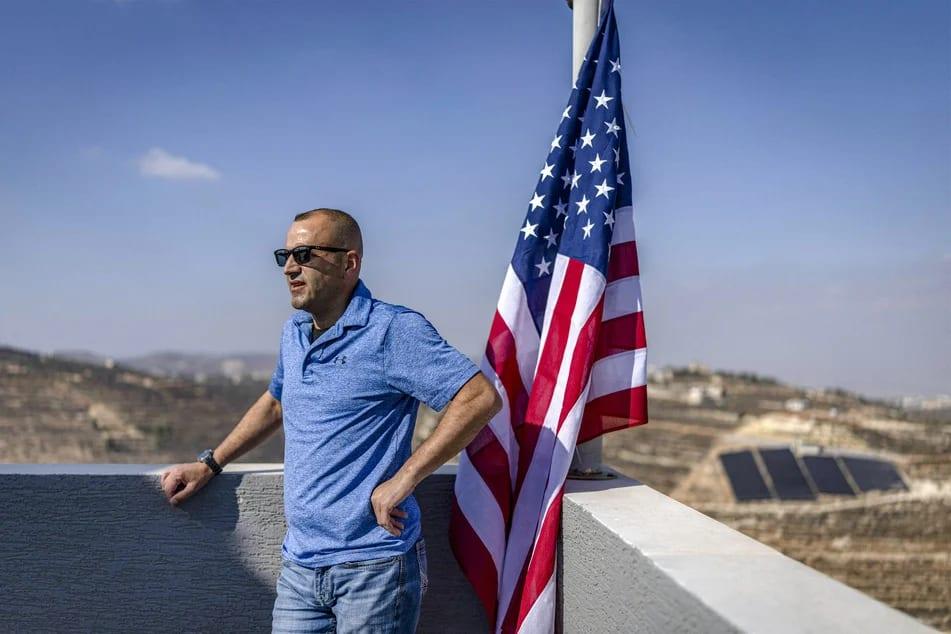
Amid international condemnation and renewed criticism from the United States, Louai Abu Ridi, a Palestinian-American, has raised the US flag on his home in Qusra, near Nablus in the occupied West Bank. Abu Ridi, who owns one of three houses in the area, returned from his adopted home in Ohio after settlers trapped residents inside and refused to let in food or other supplies for over a week.
Background of the Siege
Louai Abu Ridi's home has been under siege by Israeli settlers, who have repeatedly entered his property and attempted to take control. Despite orders from the Israeli military to remove the settlers under US pressure, they have continued to return, either on foot or in vehicles. Abu Ridi has criticized the Israeli military for not taking sufficient action, noting that soldiers often interact amicably with the settlers.
US Response and International Context
The United States has renewed its criticism of the siege, with US Ambassador to Israel Mike Huckabee offering rare public criticism. Huckabee, an evangelical pastor who has long supported settlers, has called for severe consequences for those engaging in what he termed 'terrorist activity.' He emphasized the US commitment to defending its citizens and the right of Palestinian families to live without fear.
The situation in the West Bank is part of a broader context of increasing harassment and assaults by Israeli settlers against Palestinian residents, often with the aim of taking their property. Prime Minister Benjamin Netanyahu's right-wing government has been pushing to support settlements, backed by the Jewish right, ahead of the October 27 elections.
Around 500,000 Israelis live in the West Bank on settlements considered illegal under international law, amid a population of three million Palestinians. Israel has occupied the West Bank since the 1967 Six-Day War, a fact that continues to fuel tensions and conflict in the region.