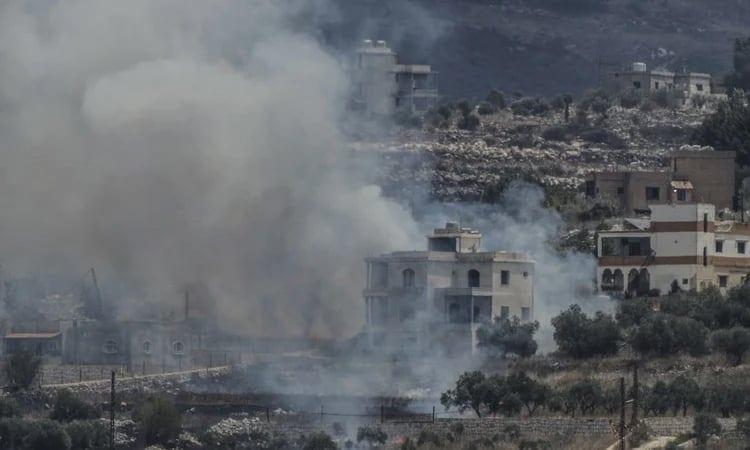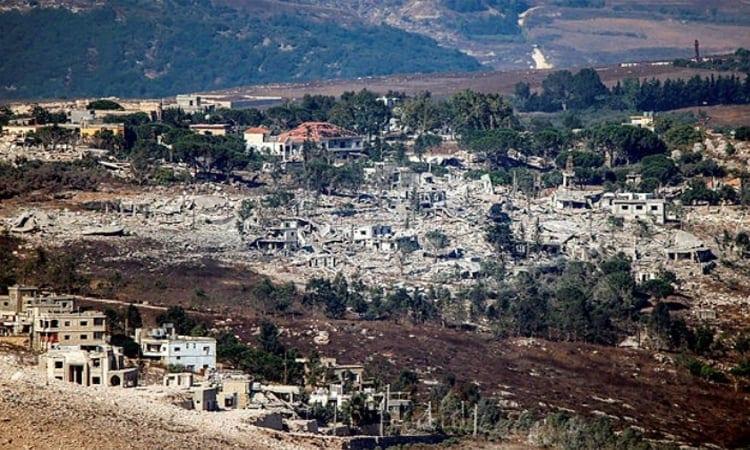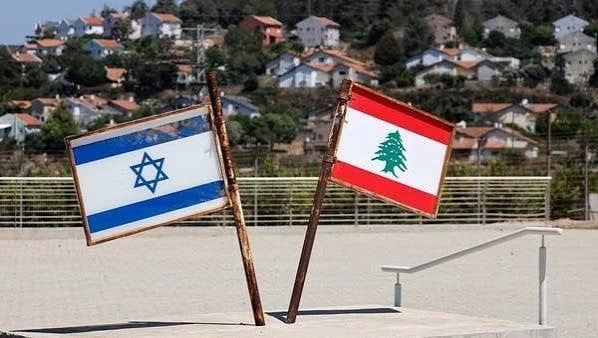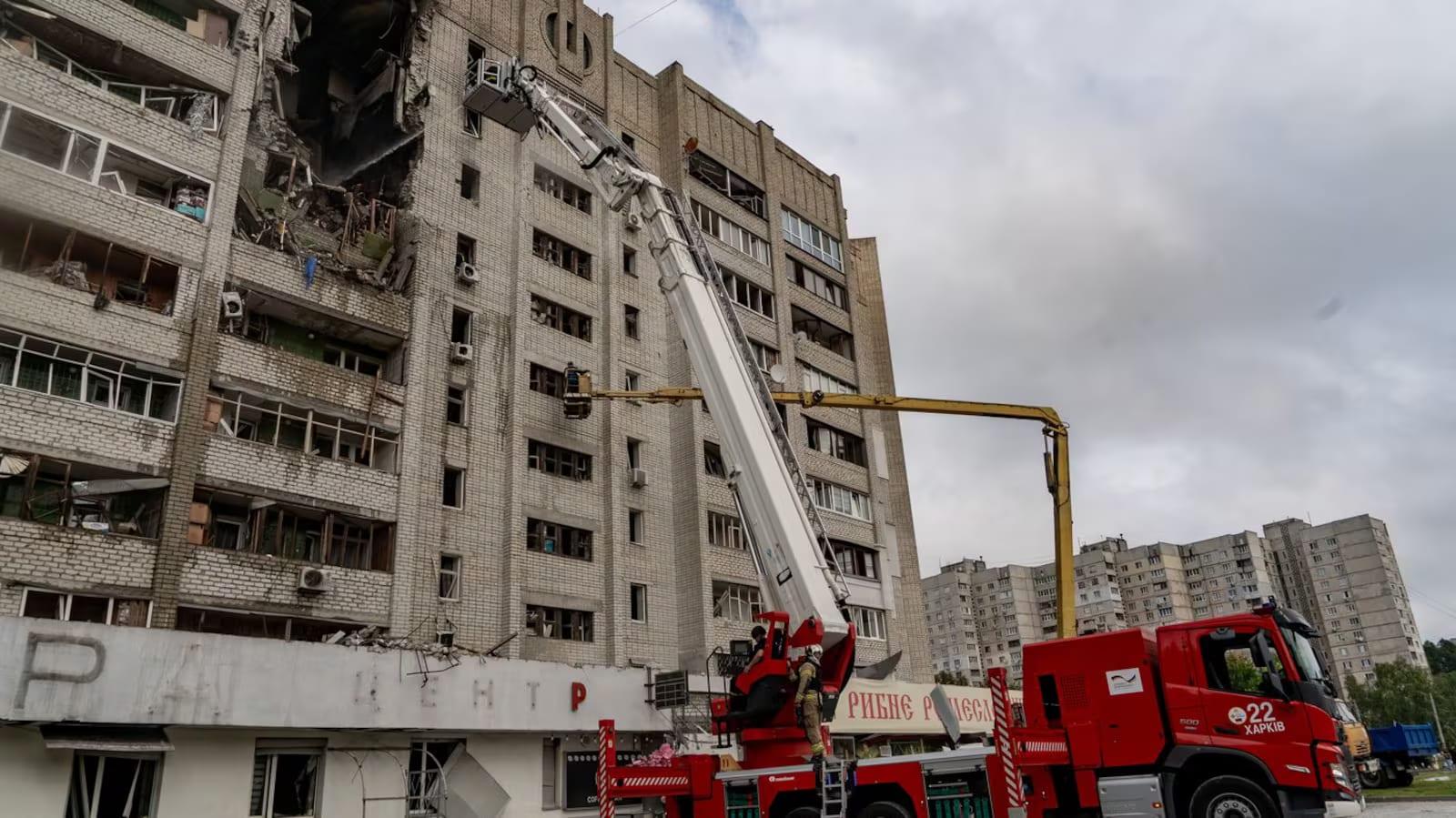
Lebanon said Israeli strikes on the south killed nine people, including three children, on Saturday, marking the deadliest raids since deals in June eased hostilities between Israel and Hezbollah. Israel claimed it carried out retaliatory strikes against the Iran-backed militant group, but Lebanon's prime minister asserted that seven of those killed in one of the strikes were not 'military targets' and urged Israel to halt the 'extremely dangerous' escalation.
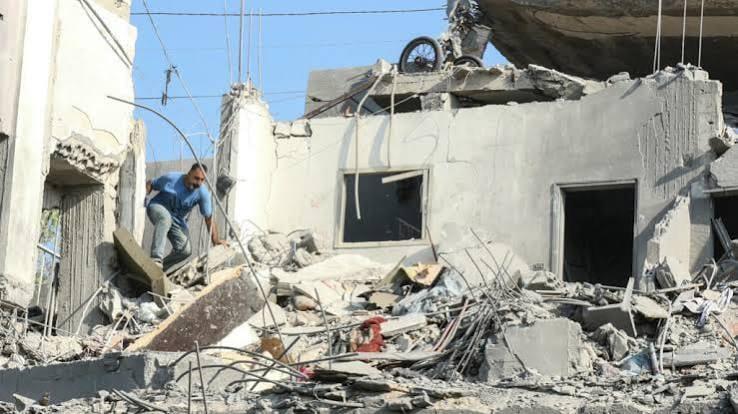
The strikes occurred early Saturday, with warplanes hitting a home on the outskirts of the village of Ansar and targeting the Ali al-Taher ridge, a strategic hill overlooking the Nabatieh area. Lebanon's health ministry confirmed seven deaths, including three children and two women, in Ansar, with another two killed and nine wounded in Deir Zahrani. The toll in Deir Zahrani is provisional.
An AFP correspondent in Ansar witnessed a destroyed building, with rescuers working to remove human remains from the rubble. Abbas Khalil, 60, recounted being in the midst of his early morning Islamic prayers when the strike hit. 'We were shocked... There's no justification for this,' he told AFP.
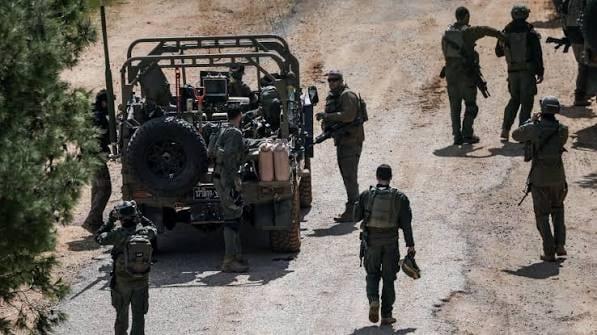
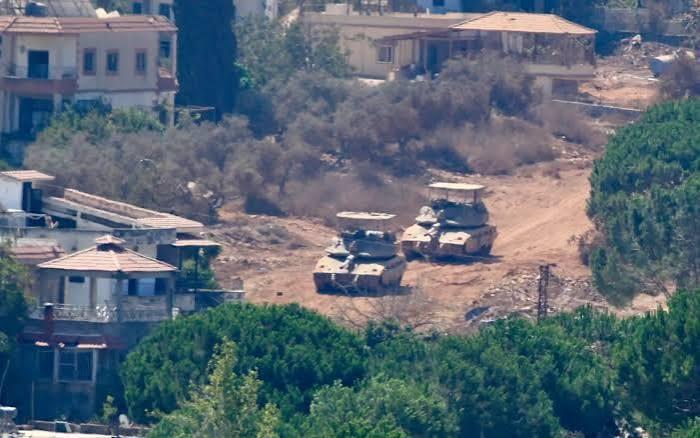
The Israeli army stated that it struck 'Hezbollah terror infrastructure in the areas of Nabatieh and Ansar,' in response to an action by Hezbollah against Israeli soldiers in the Ali al-Taher Ridge area. Lebanese Prime Minister Nawaf Salam condemned the strikes, emphasizing that the seven martyrs in Ansar were not military targets and calling for an end to the escalation.
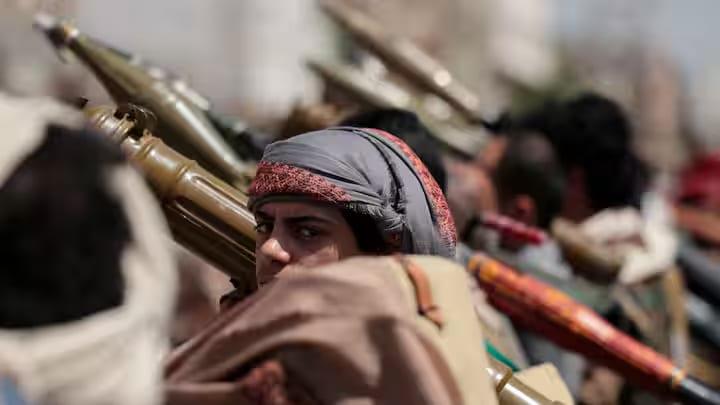
Hezbollah drew Lebanon into the Middle East war in March with rocket fire at Israel in support of its backer Iran. Israel responded with heavy airstrikes and a ground invasion, which Lebanese authorities say have killed more than 4,300 people. Despite a significant decrease in violence since the signing of a US-Iran memorandum of understanding in June and a US-sponsored framework deal between Lebanon and Israel, intermittent strikes and demolitions of civilian buildings continue.
The Israel-Lebanon framework deal includes the disarmament of Hezbollah, a gradual withdrawal of Israeli forces from south Lebanon, and the deployment of the Lebanese army to the region, starting in 'pilot zones.' On Friday, Hezbollah chief Naim Qassem accused Lebanese authorities of subjecting the country's armed forces to undue pressure by implementing the deal. Israel and Lebanon are set to hold an eighth round of US-sponsored negotiations in Rome early next month.