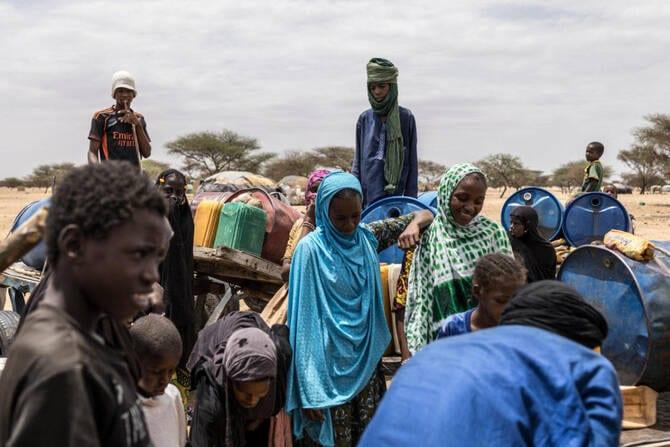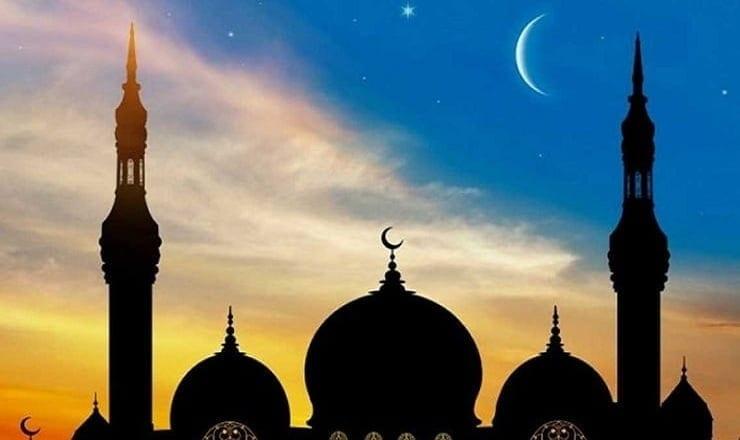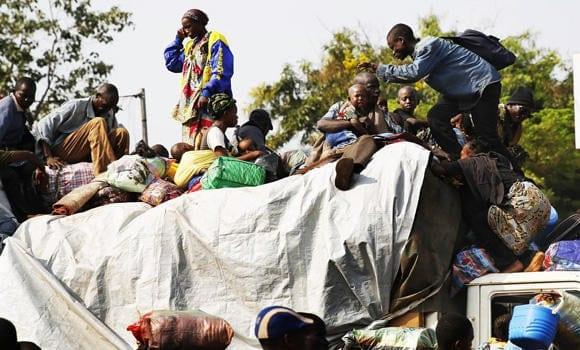
The Islamic call to prayer once again resonates across Sibut's rooftops, marking the return of peaceful coexistence in the Central African Republic (CAR) after years of civil war. The conflict had driven many Muslim residents to flee the town, located about three hours north of the capital Bangui. With the gradual return of peace, individuals like Muslim trader Idriss Elder have come back to Sibut, where he now runs a small food shop.
A Town's Struggle and Recovery
Sibut, with a population of nearly 40,000, was once known for its harmonious Christian and Muslim communities and thriving markets. However, the violence that erupted in 2013, following the ousting of President Francois Bozize by the Muslim-dominated Seleka coalition, shattered this harmony. Homes and businesses in the Adramane district, where Muslims used to live, were destroyed or abandoned, and the central mosque was looted and destroyed.
Rebuilding and Returning
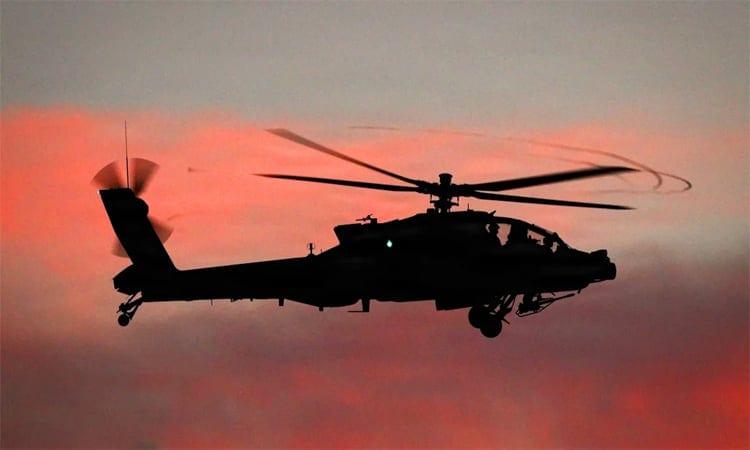
Twelve years on, the neighborhood is slowly coming back to life. The recently rebuilt central mosque now echoes with the muezzin's call to prayer. Imam Said Goni, who also returned from exile, emphasizes the importance of living together, social cohesion, and peace. Security has improved with the help of Centrafrican armed forces, Russian fighters from the Wagner group, and UN peacekeepers.
Challenges Remain
Despite the improvements, challenges persist. Many former residents still live in exile, some in Chad and others in Kaga-Bandoro in the CAR's east. The destruction of homes remains a significant obstacle to their return. Local authorities, including Rodrigue Leya, a senior Kaga regional official, are working to support the return of displaced residents. However, the CAR remains politically unstable, and security is precarious, particularly along its borders with Sudan and the Democratic Republic of Congo.