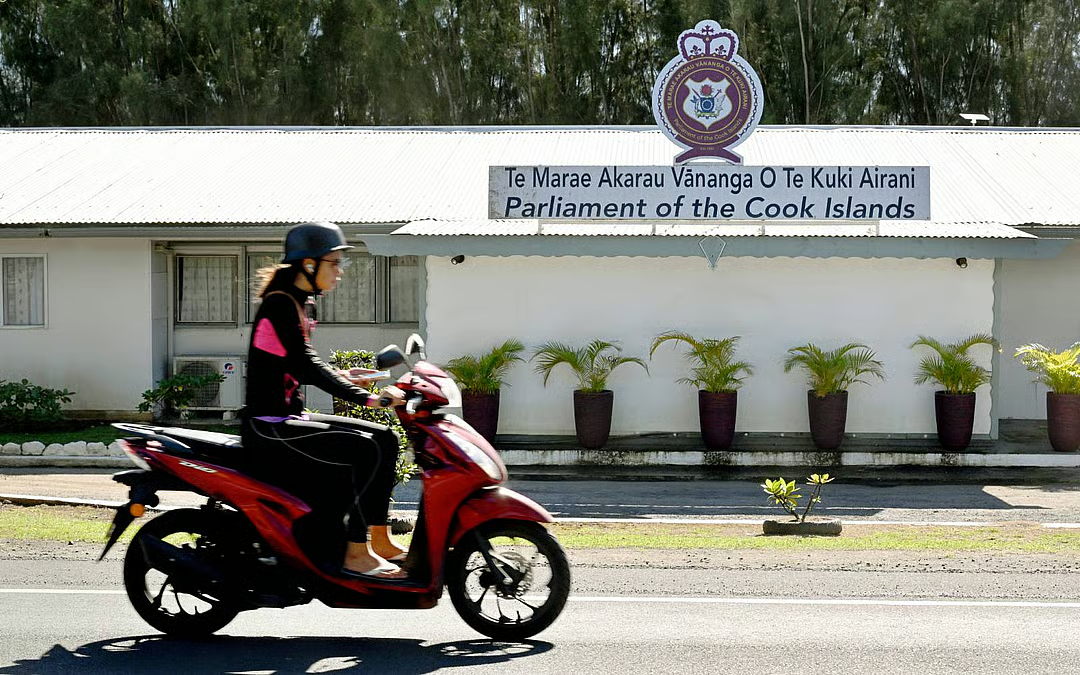
In a general election that has captured global attention, the Cook Islands is voting on its economic future. The election, which began on Thursday, will determine the Pacific nation's stance on deep-sea mining and its relationship with China. The outcome is expected to shape the Cook Islands' economic and diplomatic trajectory.
A Nation at a Crossroads
The Cook Islands, a self-governing nation of approximately 17,000 people, enjoys a 'free association' with New Zealand, its former colonial ruler. This relationship provides the Cook Islands with budgetary assistance and support in foreign affairs and defense. However, recent actions by the incumbent Prime Minister, Mark Brown, have strained this partnership, particularly his pursuit of closer ties with China.
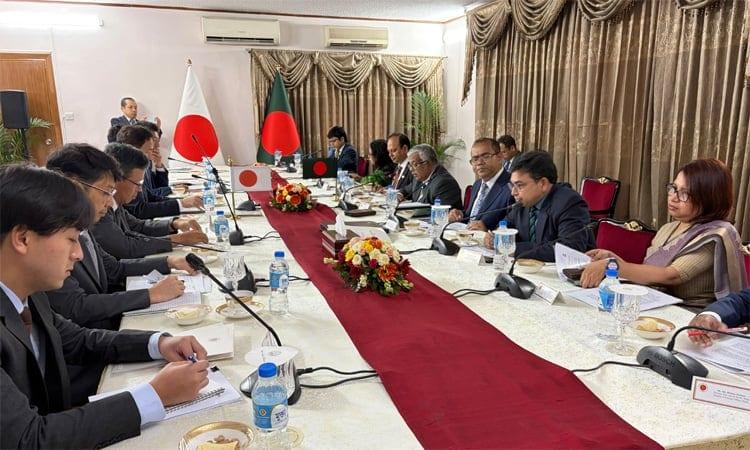
In 2025, Prime Minister Brown signed a series of agreements with China, ranging from seabed minerals research to regional cooperation, prompting New Zealand to temporarily halt millions of dollars in aid. This move highlighted the tension between the Cook Islands' desire for economic diversification and New Zealand's concerns over the influence of a major global power.
Brown has also been a proponent of exploring deep-sea mining within the Cook Islands' territorial waters. This initiative, aimed at tapping into polymetallic nodules rich in metals like cobalt and nickel, has polarized the nation. Proponents argue it could bring much-needed jobs and investment, while opponents fear environmental damage and long-term ecological consequences.
The Election: A Referendum on Policy
Brown's main challenger, former deputy prime minister Teariki Heather, has vowed to hold a national referendum on deep-sea mining if elected. Heather has also been critical of Brown's approach to China, promising to restore diplomatic balance with New Zealand.
While opinion polls are not regularly conducted in the Cook Islands, local media predict a tight race that could result in a coalition government. The election's outcome will likely be influenced by the nation's economic needs and its desire to maintain a delicate balance between its historical ties with New Zealand and its aspirations for greater economic independence.