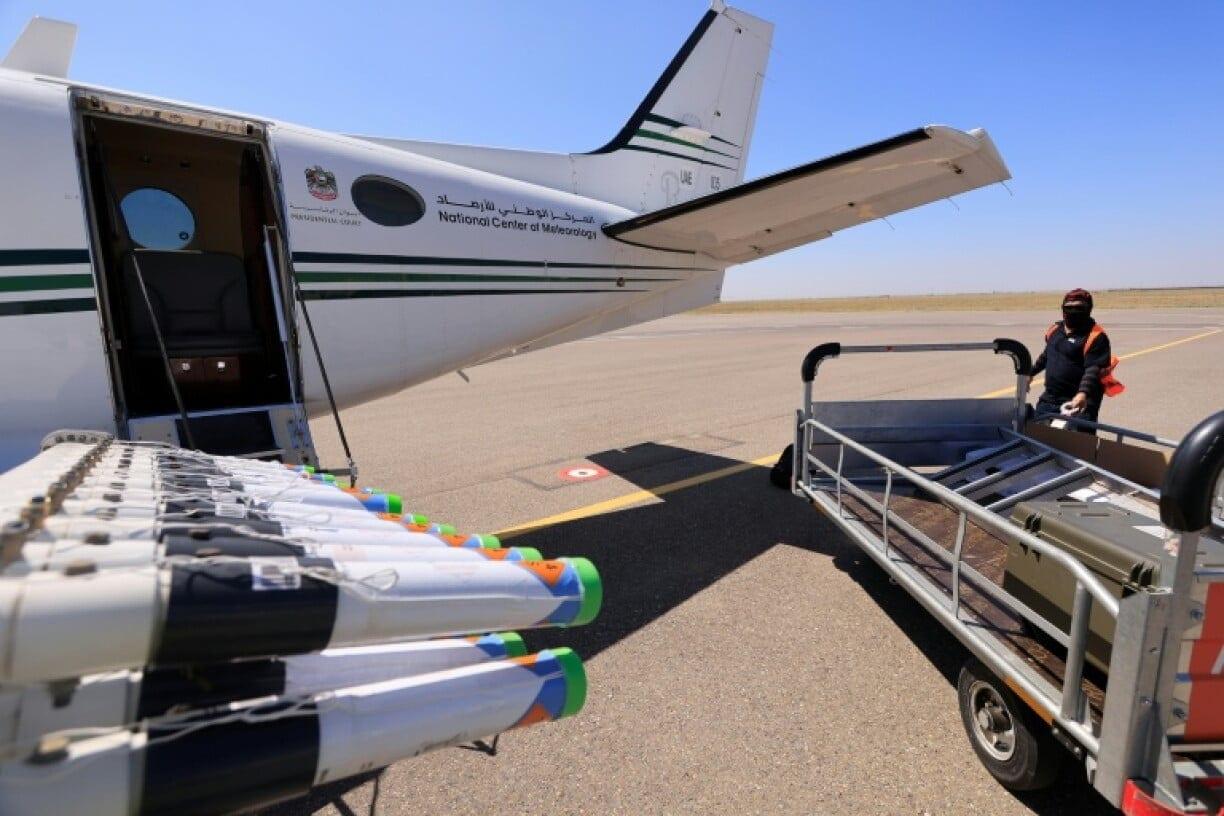
Kazakhstan is turning to cloud seeding, a weather modification method, to combat severe droughts and water shortages that plague the country. The southern Turkestan region, the country's leading cotton-growing area, is the primary target of this initiative. The method involves dispersing substances like sodium chloride and potassium chloride into clouds to make droplets heavy enough to fall as rain.
The Cloud-Seeding Process
Aircraft equipped with cloud-seeding flare systems fly into suitable clouds, releasing particles that adhere to cloud droplets. These particles make the droplets heavy enough to fall as rain. The technique can increase precipitation by 15 to 20 percent, according to scientific studies. However, the success of cloud seeding depends on various factors, and not all clouds are suitable for the process.
Challenges and Concerns
Kazakhstan's cloud-seeding trials have raised concerns in neighboring Kyrgyzstan, which fears "cloud theft" and the diversion of rain clouds. The Kazakh meteorological service maintains that the impact of the project is local and short-lived, and it does not affect climate processes or alter the movement of air masses. The World Meteorological Organization has called for more scientific research on cloud seeding, noting a rise in demand due to the frequency of droughts. The organization also ruled out any danger to human health or the environment and acknowledged potential economic benefits if the technique proves successful.
Kazakhstan's Turkestan region experienced eight months without rain and very low humidity levels in 2025. Regional agricultural official Kazbek Bedebayev emphasized that cloud seeding alone will not meet all needs and that complementary measures like drip irrigation and repairing irrigation systems are also necessary.