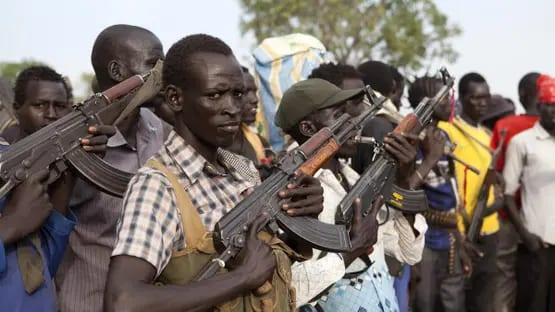
Armed attackers killed at least 60 people in central South Sudan during a deadly cattle raid, according to local officials. The incident occurred in Tonj North County, Alabek Payam in Warrap State, at around 4:00 am on a Sunday morning, marking the latest in a series of violent cattle raids that have plagued the region.
Attack Details
Two simultaneous attacks led to the fatalities, including 15 attackers. Around 50 people were wounded, with 17 transferred to Wau town for treatment. An unspecified number of cattle were also looted. Warrap spokesperson William Wol Mayom Bol condemned the violence, promising immediate action to bring the perpetrators to justice.
Government Response
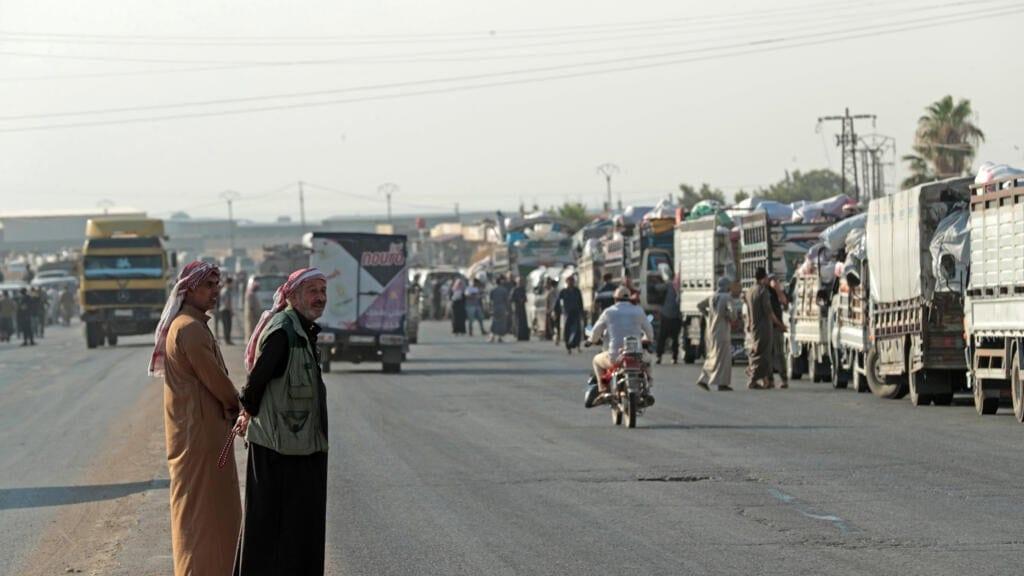
Bol announced that the South Sudan People's Defence Force (SSPDF) had been deployed to affected areas to restore order, protect civilians, and prevent further retaliatory attacks. The incident was reported by United Nations Radio Miraya, which also noted that hundreds of cattle had been looted, forcing people to flee into the bush.
Context and Background
South Sudan, which gained independence in 2011, has struggled with inter-communal violence, particularly cattle raids. Last year, President Salva Kiir declared a six-month state of emergency in Warrap State due to a surge in these raids. The ongoing conflict has also seen clashes between troops loyal to Kiir and forces allied with opposition leader Riek Machar, who remains in detention.
International Concerns
The United Nations has expressed concerns over the cycle of communal violence in South Sudan, with the head of the UN mission in South Sudan, Anita Kiki Gbeho, highlighting the displacement and loss of lives and livelihoods faced by civilians. Humanitarian workers are also at increased risk, with 36 killed in 2026 alone.
Why This Matters for Bangladesh
While the violence in South Sudan primarily affects the region, it underscores the global challenges of instability and conflict, which can have ripple effects on international relations and humanitarian efforts. Understanding these dynamics is crucial for policymakers and humanitarian organizations.