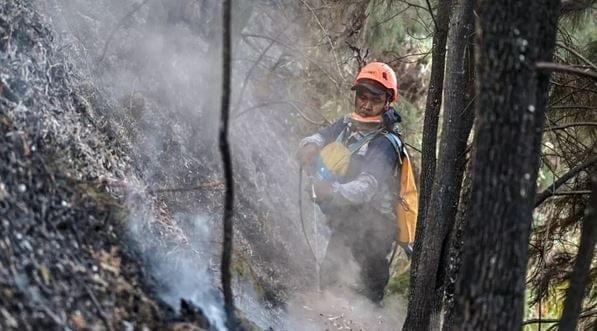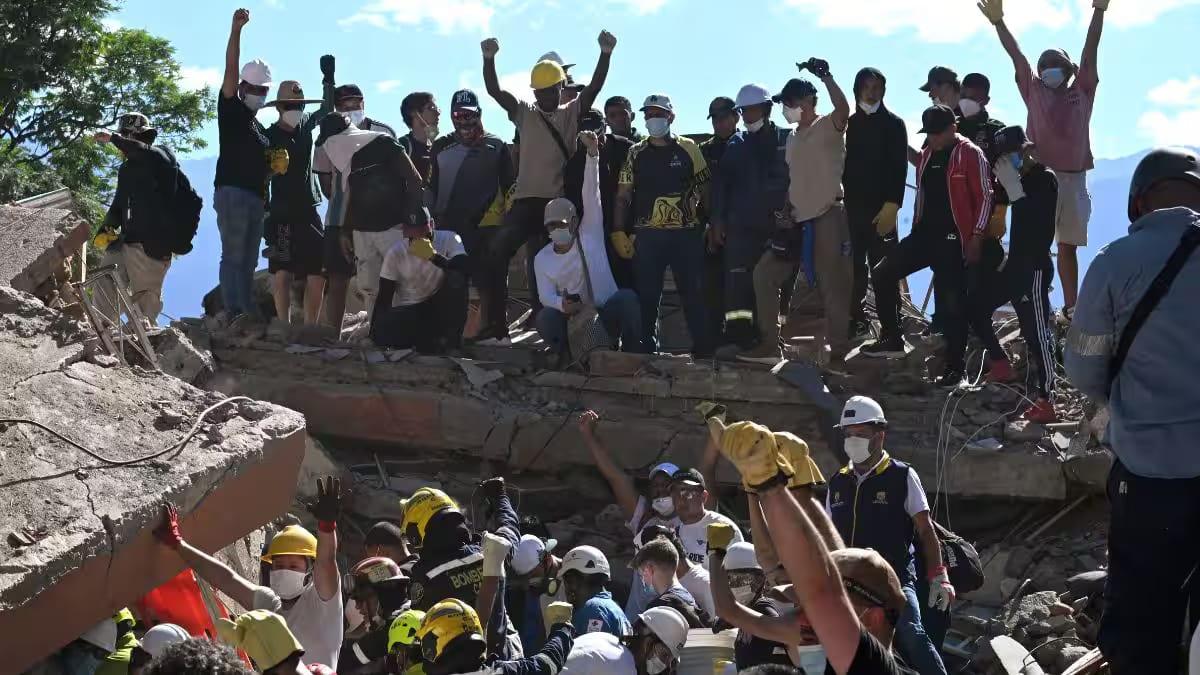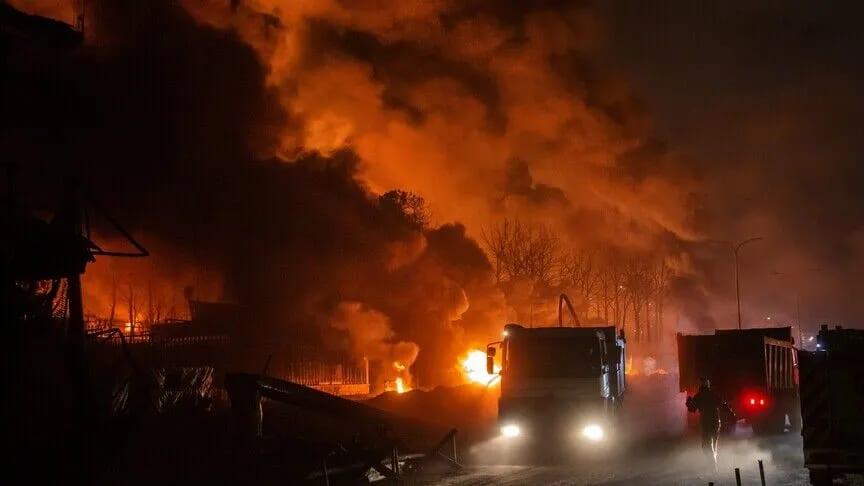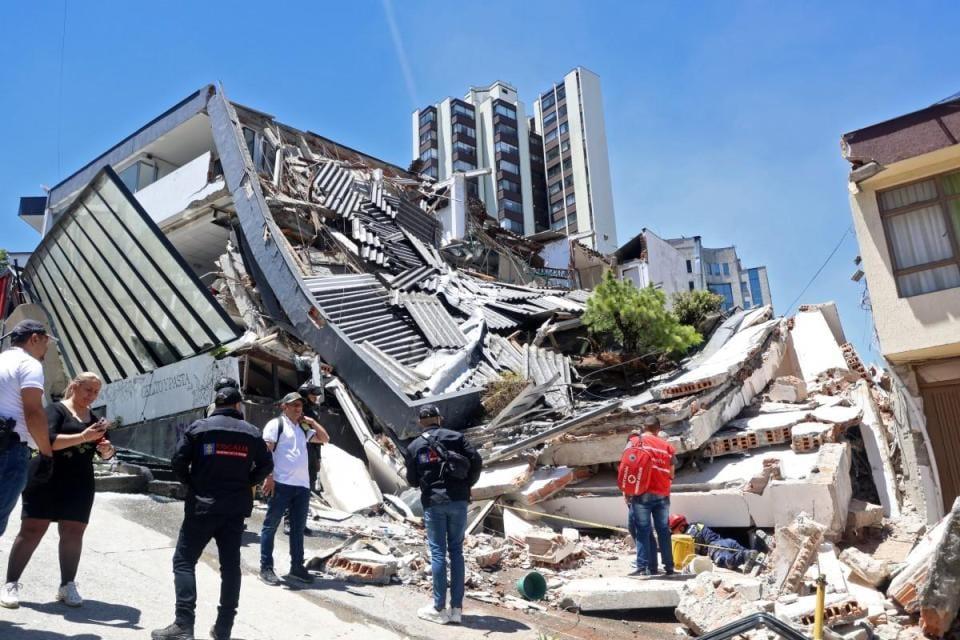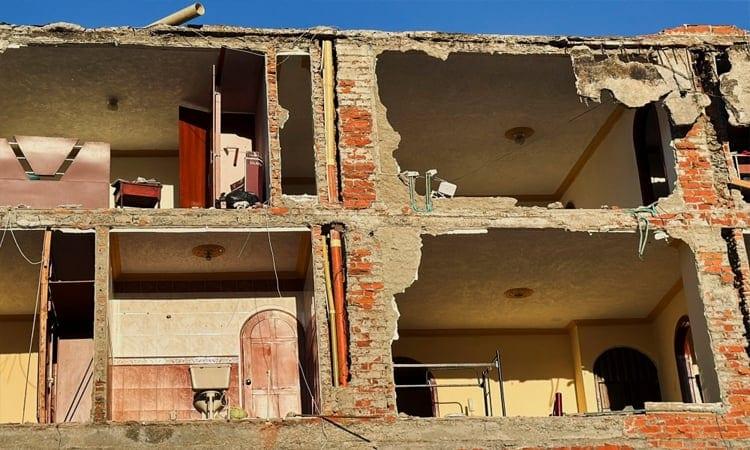
Colombian volunteers and rescuers worked tirelessly, using their bare hands and buckets to clear rubble and search for survivors after the country's strongest earthquake in a decade struck early Tuesday. The 7.4-magnitude quake, which hit cities across Colombia's western region shortly after 7:30 am (1230 GMT), killed at least 132 people and injured more than 570, according to the Colombian Association of Capital Cities.
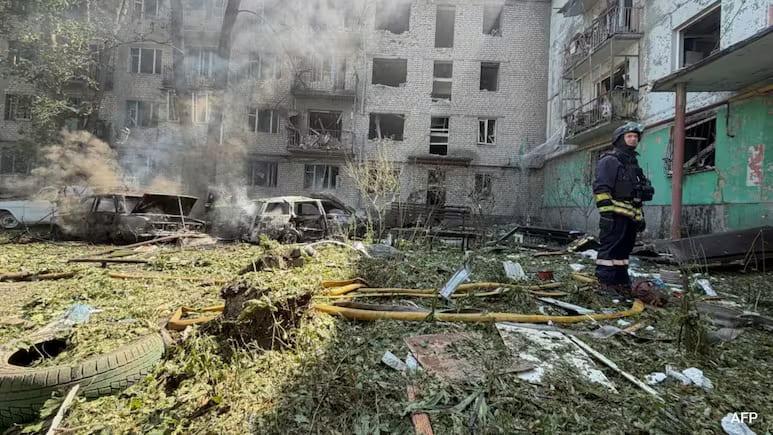
The quake caused widespread destruction, with dozens of buildings collapsing and power outages plunging cities like Pereira into darkness. Residents described scenes of panic, with people rushing into the streets in their pajamas as the ground shook. In Manizales, the quake damaged a beloved neo-Gothic cathedral, while in Quibdo, public services and communications were virtually shut down.
Colombian President Abelardo de la Espriella, who had just been sworn into office three days prior, declared a state of emergency and vowed a concerted rescue effort. Volunteers formed human chains to remove debris, stopping every few minutes to listen for signs of life from those trapped below. Hospitals in five cities were put on red alert, and a nighttime curfew was declared in Cali.
The devastation comes less than two months after powerful twin quakes rattled neighboring Venezuela, killing over 6,300 people and leaving tens of thousands homeless. Messages of support poured in from countries across the region and the world, with the United States announcing $15.5 million in emergency relief and the European Union mobilizing its Copernicus satellite service to aid rescue operations.
Colombian pop megastar Shakira led the calls for unity, urging the nation to hold each other tight in the face of the disaster. As rescue efforts continue, the full extent of the damage and the final death toll remain uncertain, highlighting the urgent need for international aid and support.