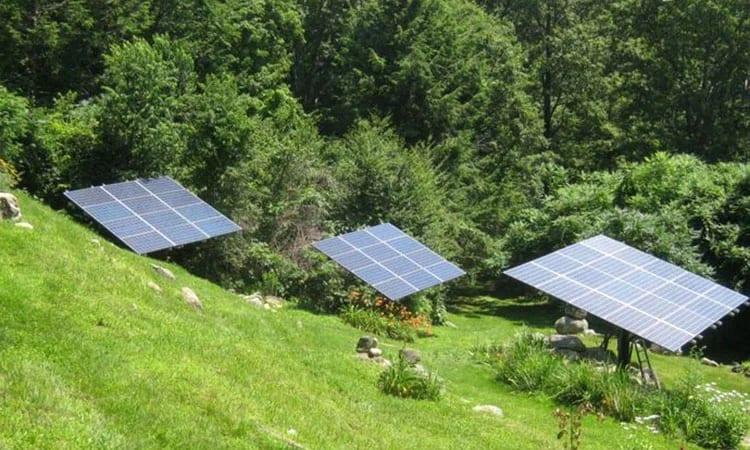
The government has planned to install solar panels at 300 primary schools in Rangamati's remote areas to provide a stable power supply. These schools, located in 10 upazilas, currently lack electricity connections, hindering quality education. Officials from the Renewable Energy Wing at the Ministry of Power, Energy and Mineral Resources confirmed that the government is considering this initiative. The proposal was first suggested by the Rangamati Deputy Commissioner at a District Commissioners' Conference this year, and the Power Division has since expressed support for the project.
The implementation of this plan is expected to take place over the next five years. The district administration will first prepare a list of schools and submit it to the Power Division. Once approved by the Cabinet Division, the government will evaluate its financial capacity before proceeding. The district administration will oversee the project at the field level. Notably, these projects have not yet been included in the development project proposal (DPP).
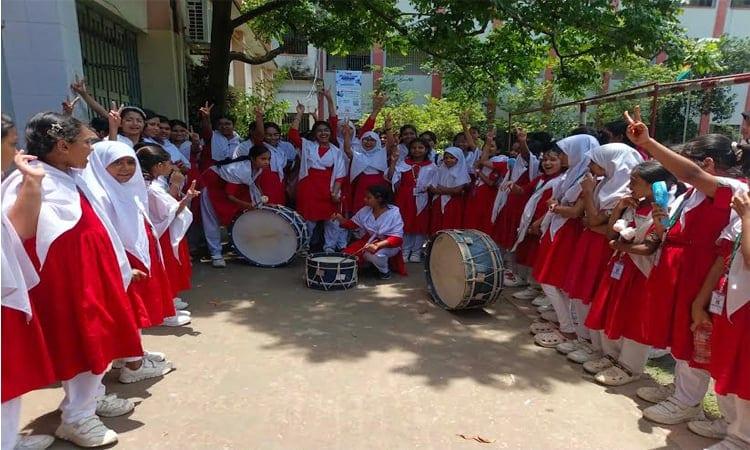
Officials argue that providing electricity to these schools will enable the use of multimedia classrooms and digital information technology, enhancing the educational experience. Most students in these remote areas come from families living below the poverty line, and access to electricity is seen as a crucial step towards bridging the educational gap with more developed schools.
According to the Chittagong Hill Tracts Affairs Ministry, 550 schools in Bandarban, Khagrachhari, and Rangamati already have TV and multimedia connections, with 149 schools involved in e-learning. The ministry is working towards ensuring 100 percent power supply in the CHT region. A proposal to provide electricity to remote hilly areas through solar panels has been recorded as an unapproved project in the government's Annual Development Program (ADP).
The newly proposed project, named the Green Leaf Project, is currently in the in-principle approval stage. If included in the DPP, the project is expected to start in 2026 and end in 2031. The lack of uninterrupted power in these remote areas has been identified as a significant barrier to accelerating quality education and socioeconomic development.