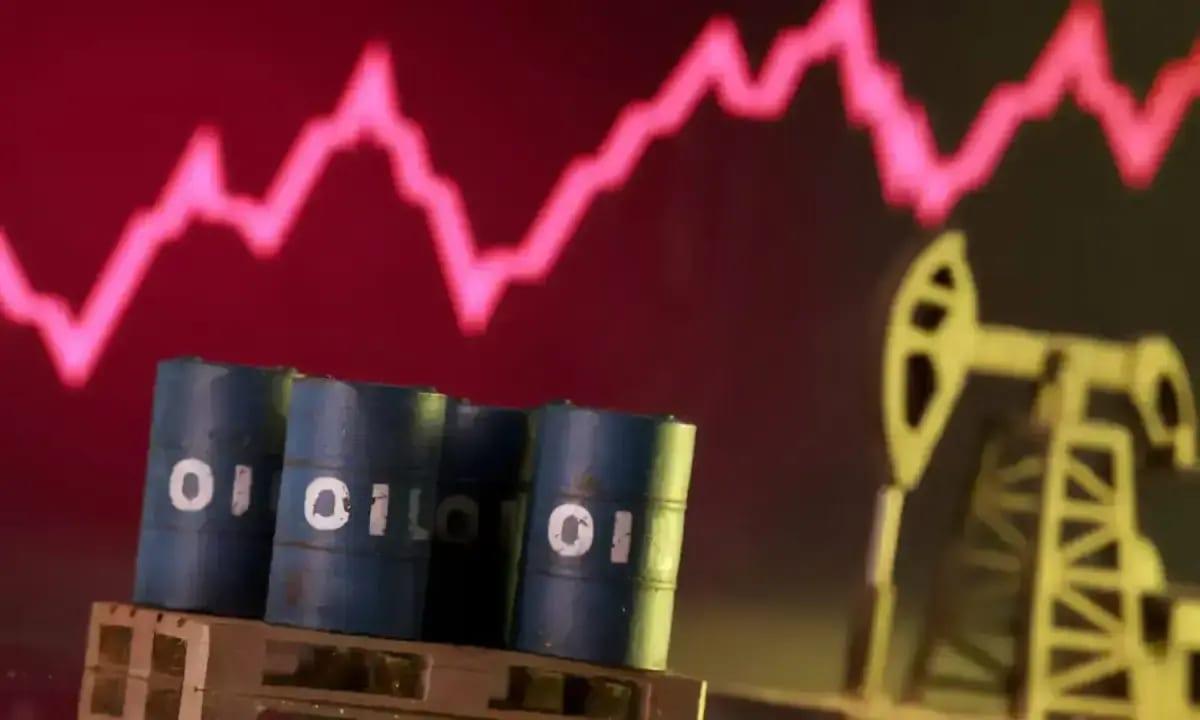
Global oil prices saw a significant increase on Tuesday, with the Brent North Sea crude oil benchmark surpassing $90 per barrel. This surge comes as expectations for a resolution between the United States and Iran, which could potentially ease tensions, have significantly waned. Brent crude reached $90.02 a barrel, marking a more than 2.5 percent increase from the previous day, while West Texas Intermediate, the main US oil contract, also rose by 2.7 percent to $84.32 a barrel.
The Impact of Geopolitical Tensions on Oil Prices
The recent spike in oil prices is closely tied to the ongoing geopolitical tensions between the United States and Iran. The two countries, both major players in the global oil market, have been at odds for years, with sanctions and military confrontations creating an unstable environment for oil traders. The fading hopes for a diplomatic breakthrough have heightened market anxieties, leading to increased demand for oil as a perceived safe-haven asset.
Historically, conflicts in the Middle East have led to sharp increases in oil prices, as the region is a critical hub for global oil production. The current situation echoes past events, such as the Iran-Iraq War in the 1980s, which caused oil prices to soar. The uncertainty surrounding the US-Iran relationship has made investors jittery, prompting them to buy more oil in anticipation of future price hikes.
Broader Implications for the Global Economy
The rising oil prices are not just a concern for energy markets but also for the broader global economy. Higher oil prices can lead to increased costs for transportation and manufacturing, which can, in turn, raise the prices of goods and services. This phenomenon can put additional pressure on consumer spending and economic growth, especially in economies heavily reliant on oil imports.
Furthermore, the surge in oil prices can exacerbate inflationary pressures, as energy is a significant component of the consumer price index. Central banks around the world are already grappling with rising inflation, and the latest price hike could complicate their efforts to maintain price stability.
The global supply chain, which was still recovering from the disruptions caused by the COVID-19 pandemic, is also at risk. Higher oil prices can lead to increased shipping costs, further disrupting global trade and supply chains.