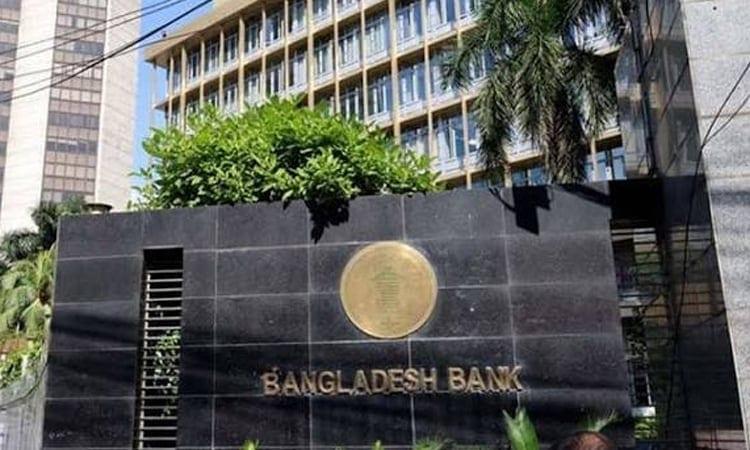
Bangladesh Bank (BB) has taken a significant step to lower transaction costs for merchants and promote digital payments by setting the Interchange Reimbursement Fee (IRF) at zero percent for Bangla QR transactions. This initiative is designed to reduce the cost of digital payments and accelerate the country's transition to a cashless economy. Effective October 1, 2026, this measure aims to make digital transactions more affordable for small merchants, street vendors, and other micro-level businesses, encouraging a wider adoption of digital payments. The directive applies to scheduled banks, mobile financial service providers, payment service providers, and payment system operators, ensuring a uniform zero-IRF arrangement across the Bangla QR ecosystem.
Key Details of the Zero-IRF Initiative
The central bank issued the directive through its Payment Systems Department-2 (PSD-2) on August 10, 2026. This directive, under PSD-2 Circular Letter No. 06, amended relevant provisions of PSD Circular No. 02/2025, dated February 8, 2025, while repealing PSD-2 Circular Letter No. 05, issued on July 1, 2026. The zero-IRF arrangement is set to come into effect on October 1, 2026, providing banks and payment service providers time to adjust their systems.
Bangladesh Bank introduced this measure to lower transaction-related costs for merchants and encourage the wider adoption of Bangla QR, particularly for small-value retail transactions. The move is a critical policy step towards expanding interoperable digital payments and supporting the broader goal of building a 'Cashless Bangladesh.'