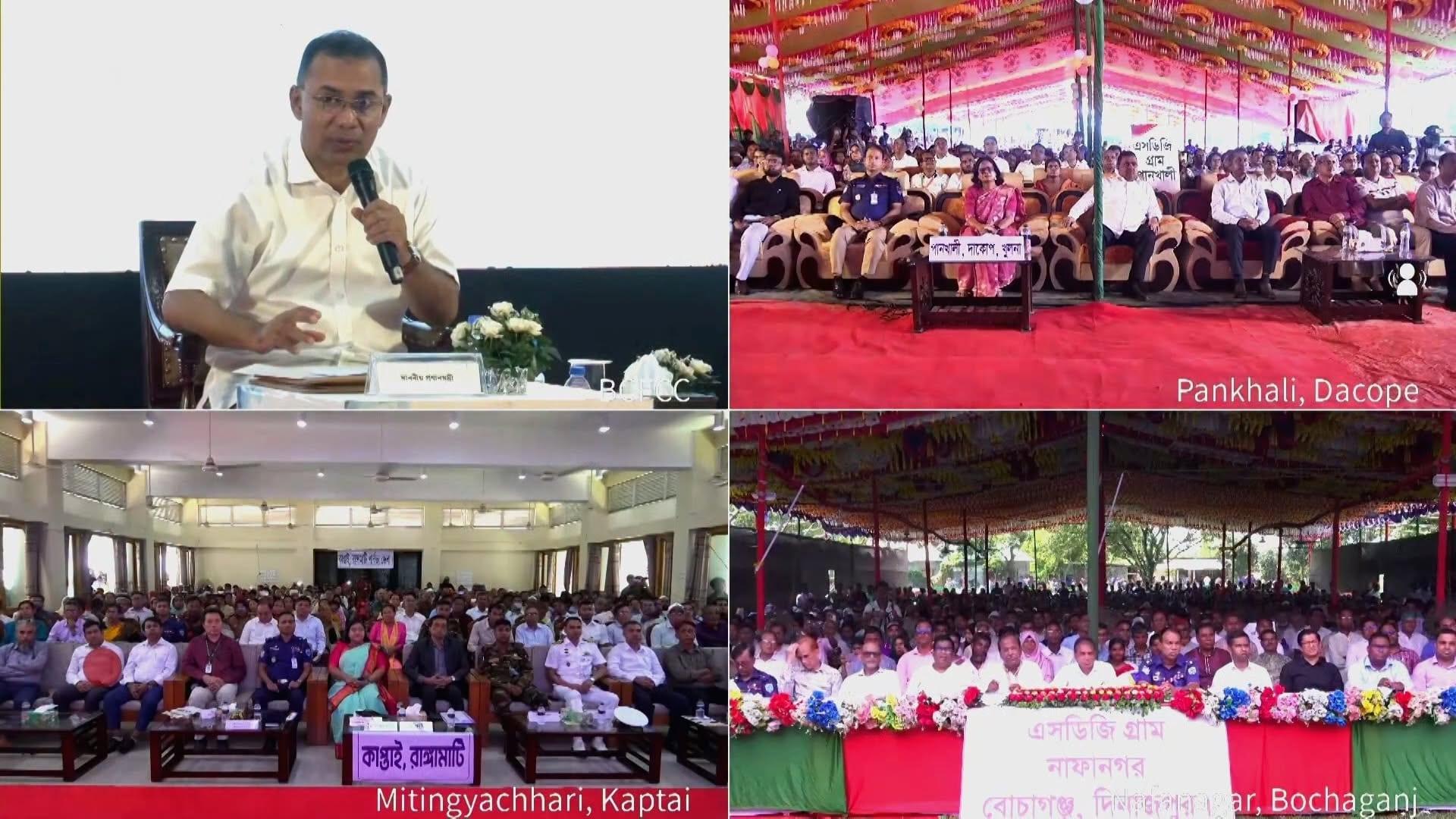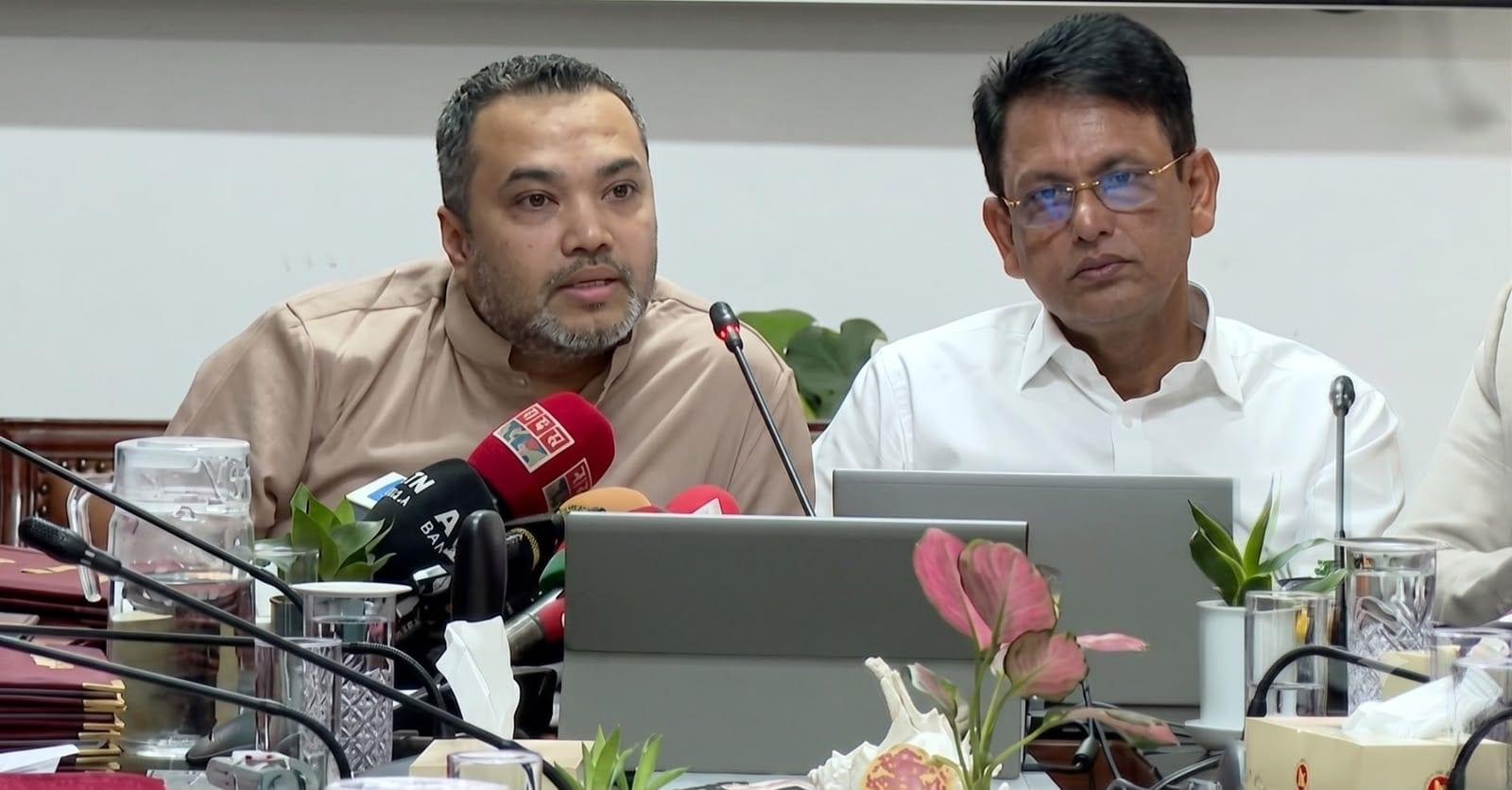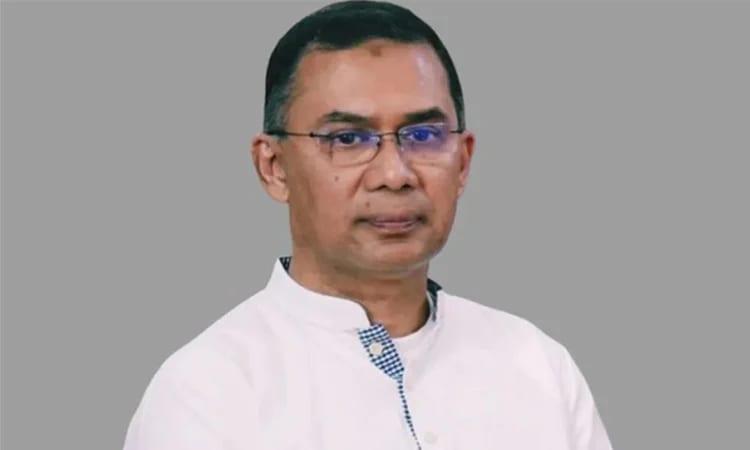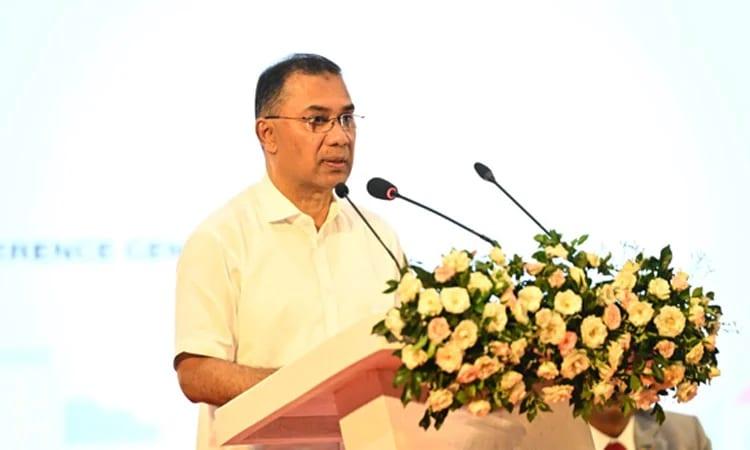
Prime Minister Tarique Rahman today emphasized the urgent need to rebuild Bangladesh, which he described as having become a fragile, debt-dependent, and import-dependent state under previous governance. Addressing the national conference on ‘Navigating Five-Year Strategic Framework for Achieving SDGs: Policy, Partnership and Priority 2026’ at the Bangladesh-China Friendship Conference Centre, Rahman outlined a comprehensive strategy to align the country’s development with the United Nations’ Sustainable Development Goals (SDGs).
Strategic Economic Plan
The Prime Minister announced a five-year strategic economic plan aimed at ensuring people’s prosperity. This plan, developed by the General Economics Division (GED) of the Bangladesh Planning Commission and the Governance Innovation Unit (GIU) of the Prime Minister’s Office, focuses on sectors such as education, health, and the environment. Rahman highlighted the government’s “Three-R” strategy—Recovery, Rehabilitation, and Reconstruction—to stabilize and transform the nation. This integrated roadmap aims to consolidate progress in SDG implementation and facilitate Bangladesh’s graduation from the list of least developed countries (LDCs).
Social Protection and Inclusive Development
Rahman also discussed various social protection programs implemented by the government, including the Family Card, Farmer Card, and e-Health Card. These initiatives provide direct subsidies, agricultural inputs, financial assistance, and healthcare services to marginal farmers, low-income families, and vulnerable groups. Additionally, the introduction of the Sports Card and honorarium allowances for religious leaders demonstrates the government’s commitment to inclusivity. The Prime Minister mentioned a pilot project in three villages—Mitingachhari, Pankhali, and Nafanagar—where a range of programs will be implemented to assess their impact before nationwide expansion.
Emphasizing the importance of coordinated efforts, Rahman called for the active participation of all stakeholders, including the government, private sector, development partners, NGOs, civil society, media, and citizens. He outlined the government’s vision for a democratic, humane, and welfare state, where free elections, the rule of law, universal healthcare, education, and economic opportunities for all citizens are ensured. The Prime Minister urged everyone to work with determination to achieve the SDGs by 2030.