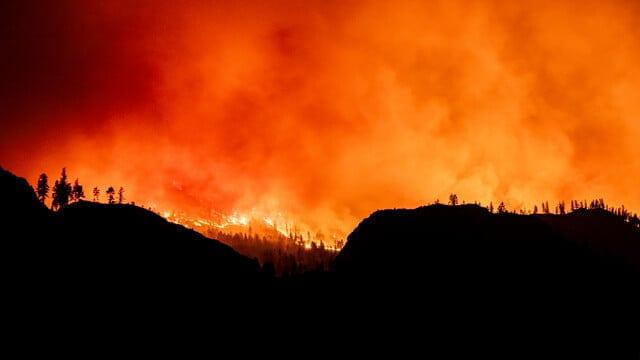
As the summer sun blazed over France, temperatures soared to unprecedented highs. In late July, a megafire burned nearly 42,000 hectares and forced the evacuation of more than 220,000 people in Gironde department. This was not an isolated incident; it was part of a larger trend. According to AFP analysis of Copernicus data, regions home to around 900 million people experienced their hottest July on record in 2026.
The extreme heat was felt across 33 countries, breaking records since measurements began. Countries like France and Spain independently confirmed these conditions through their national weather agencies. However, many lower-income countries lack detailed climate data, so AFP complemented the global picture by analyzing data from the European Copernicus programme.
Nearly 400 million people in affected areas live in Africa, primarily within the Sahel region. Ten countries in this region broke their monthly heat records for July, including Mauritania, Niger, Burkina Faso, Sudan, Kenya, and Ethiopia. Temperature anomalies in these countries were significant, with some recording July temperatures more than 2C above the 1981-2010 average.
The naturally-occurring El Nino climate pattern has already amplified unprecedented temperatures across Central America and northern South America. From Mexico to northern Brazil, approximately 110 million people experienced their hottest July on record. El Salvador, Nicaragua, and Honduras set monthly temperature records in both June and July, heightening concerns over famine.
In Europe, nearly 120 million people live in regions where July 2026 was the hottest ever recorded. Southern Britain, western France, and northern and eastern Spain saw average temperatures 3.8C above the 1991-2020 normal. Record levels of drought fuelled devastating wildfires, with Spain's largest wildfire in recent history scorching almost 44,000 hectares in Avila province.
Other regions, home to over 250 million people, also experienced unprecedented July heat, including China's Sichuan province, US states Wyoming and Colorado, and the Indonesian islands of Sumatra and Borneo. Scientists attribute the rise in extreme heat episodes to human-driven climate change, warning that such events have become almost 10 times more likely since 2015.