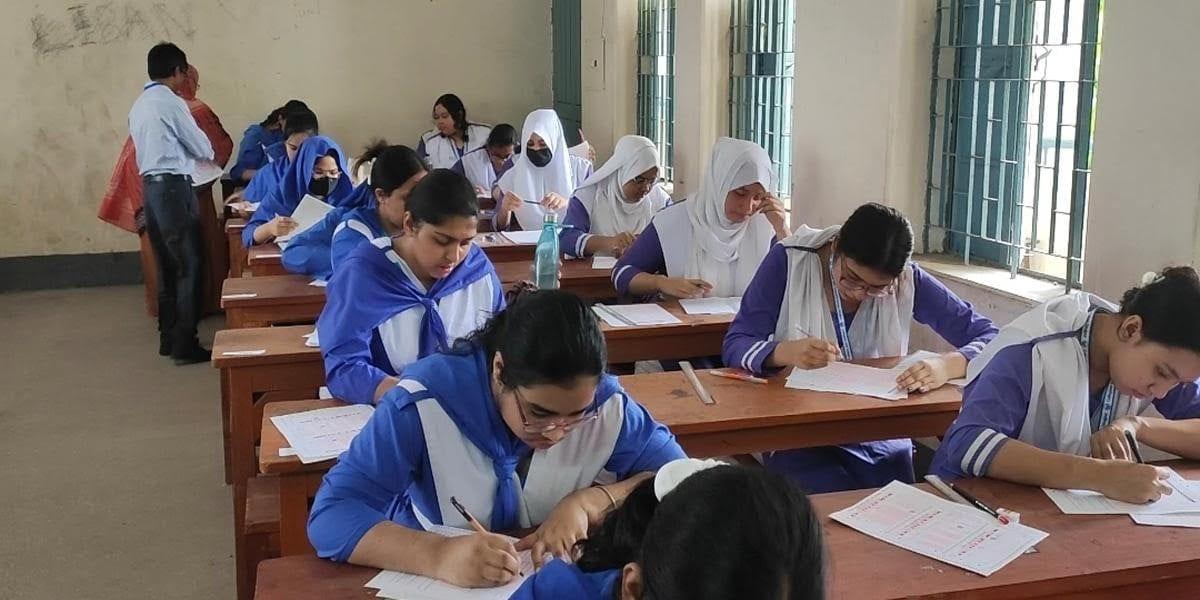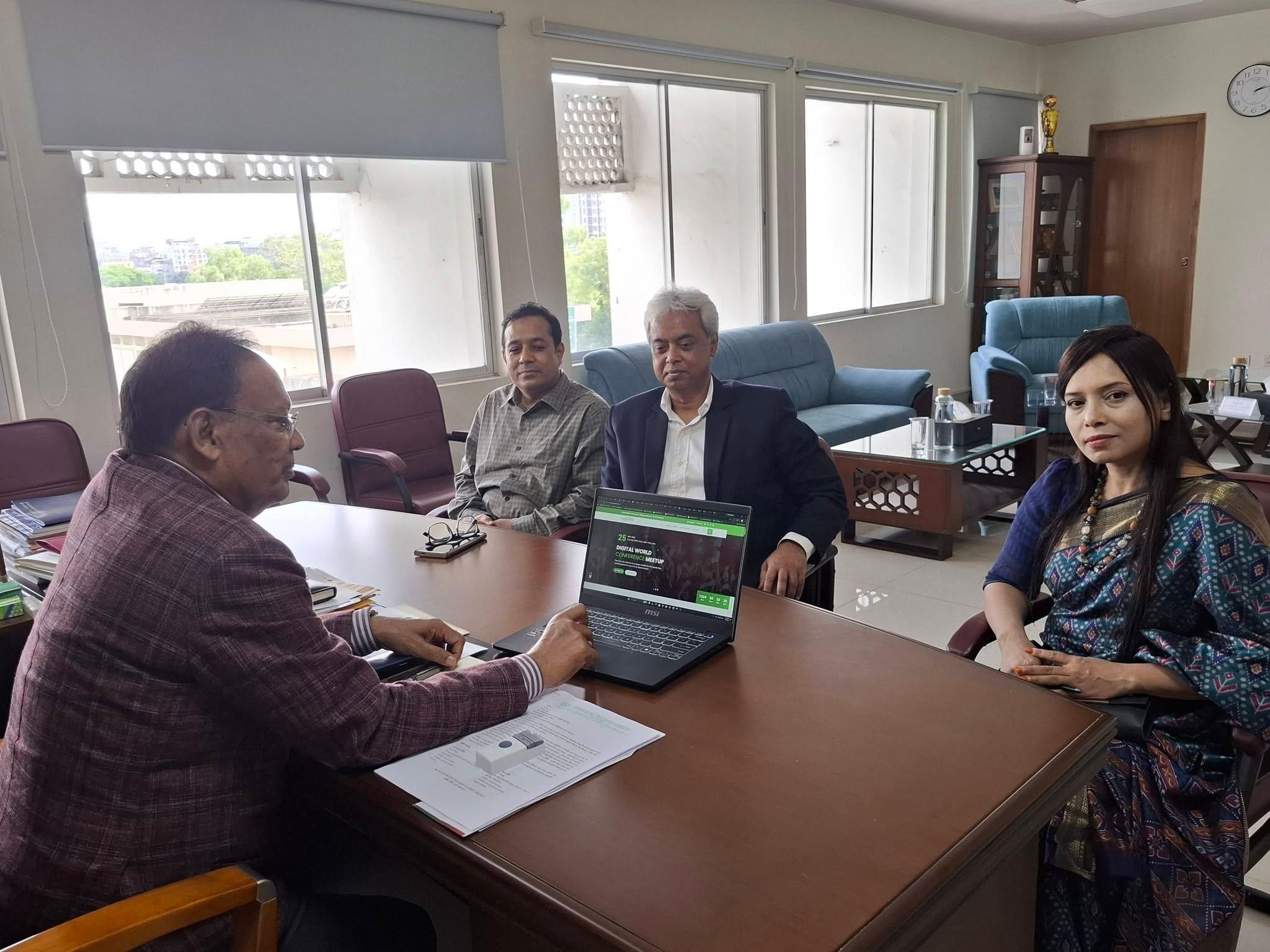
In the 2026 Secondary School Certificate (SSC) examinations, the Comilla Education Board recorded a 65.42% pass rate. Out of the 145,835 candidates, 95,399 students successfully passed. Notably, the science group had the highest pass rate at 82.88%, followed by the business studies group at 57.40% and the humanities group at 50.61%. Among those who excelled, 5,848 girls and 3,966 boys secured a GPA-5 or A+. The results were announced at the Comilla Board of Secondary and Higher Secondary Education conference room by Board Controller of Examinations Professor Dr. Md. Shafiqul Islam, in the presence of Comilla Education Board Secretary Professor Mohammad Jahangir Alam, College Inspector Professor Md. Shipon Mia, and other officials. This outcome underscores the performance of students across various subjects and highlights the academic achievements within the region.
The performance of students in different groups reflects the varying levels of preparedness and interest across the subjects. The high pass rate in the science group indicates a strong inclination and better performance in science-related subjects among the students. The lower pass rate in the humanities group suggests areas where students may require additional support and resources to improve their academic outcomes.
The gender disparity in GPA-5 results highlights the academic achievements of girls, who outperformed boys in this category. This trend could be influenced by several factors including teaching methods, student engagement, and support systems within educational institutions. Encouraging more female students to excel in all subjects remains a key goal for educational authorities.
The SSC exams in Comilla were taken by students from 1,823 educational institutions across six districts. The formal announcement of the results marks a significant milestone for students, educators, and parents, providing a clear picture of academic performance and future educational pathways.
The results reflect the overall academic environment in Cumilla, providing valuable insights into the educational standards and performance across different groups and genders. As the education board continues to analyze these results, they aim to address areas of improvement and enhance the educational experience for future cohorts.