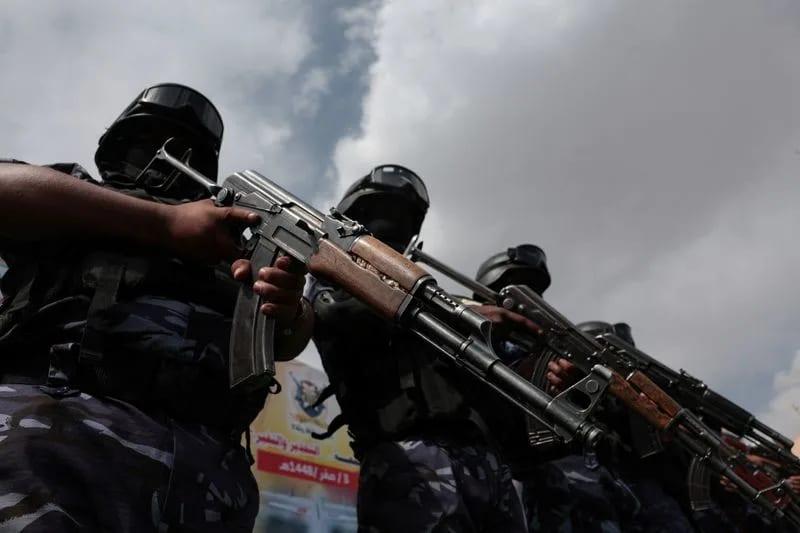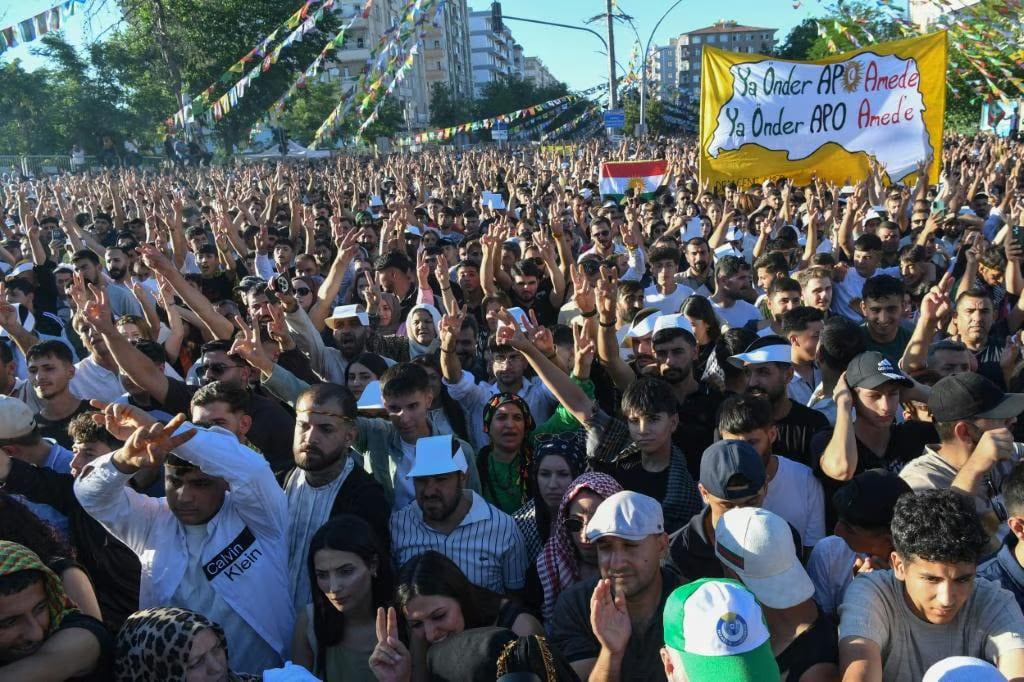
The Kurdistan Workers' Party (PKK) has criticized a proposed Turkish law that aims to set out the fate of its fighters after disarmament. The law, part of efforts to end decades of deadly conflict, is set to be debated by Turkey's parliament. The PKK warned that many provisions of the law will remain unimplemented unless Ocalan, their jailed leader since 1999, is released.
What is the proposed Turkish law?
The proposed law would allow some PKK members to return to civilian life under certain conditions but does not offer a general amnesty. It would suspend prosecutions and prison sentences for some offenses between five and ten years if those covered by the measure do not reoffend during that period.
Why is the PKK criticizing the law?
The PKK has stated that the law contains serious errors and shortcomings. They argue that it does not adequately address the Kurdish issue and fails to use the term 'Kurdish.' The PKK also demands guarantees that former fighters can participate in political life without facing imprisonment for their views.
What role does Abdullah Ocalan play in this?
The PKK has warned that the provisions of the law will remain unfulfilled unless Abdullah Ocalan, their jailed leader, is released from prison. Ocalan called for the PKK to disarm last year in response to a Turkish peace initiative.
What is the broader context of this legislation?
The legislation is part of ongoing efforts to end more than four decades of armed conflict between Turkey and the PKK, which has claimed at least 50,000 lives. The bill is backed by President Recep Tayyip Erdogan's ruling Justice and Development Party (AKP) and the pro-Kurdish DEM party.