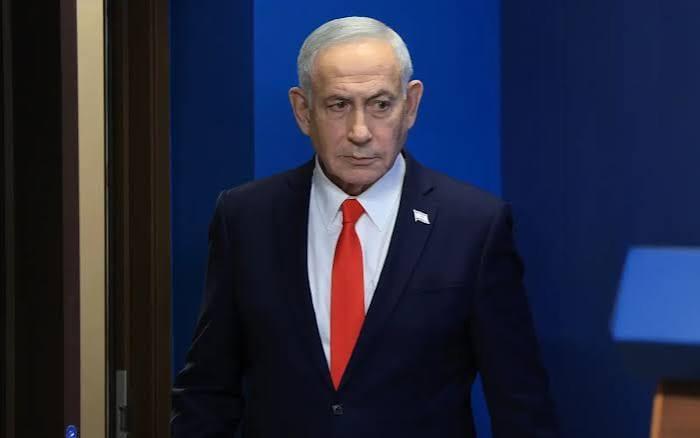
On Sunday, Israeli Prime Minister Benjamin Netanyahu firmly dismissed a US-backed Gaza plan, asserting that Israel will not withdraw its military forces until Hamas is completely disarmed. Netanyahu, who is currently facing criticism from his right-wing base and a tight race for re-election, explicitly opposed the 15-point document endorsed by Hamas. The plan, which was part of a US-led ceasefire, suggested that Israel would begin pulling out forces in tandem with Hamas disarmament, an idea Israel firmly rejected.
Details of the US Plan
The plan, which was endorsed by Hamas in late July, suggested that Israel would withdraw its forces in tandem with Hamas disarmament. However, Israel insists that Hamas must destroy its weapons completely before any withdrawal can occur. The Board of Peace, the body implementing the deal, later backtracked and indicated that Israel would only withdraw after 'complete' disarmament.
Netanyahu's Stance
Netanyahu emphasized that Israel will not carry out any withdrawal until Hamas is genuinely disarmed and will continue to thwart threats against its forces and citizens. He stated that Israel is in discussions with the United States regarding its objections and that some ideas are acceptable, while others are not.
Political Ramifications
Netanyahu's rejection of the plan has significant political implications, as he faces pressure from his far-right allies to end the Gaza plan. His stance has been met with mixed reactions, with some supporting his firm position and others calling for a new cabinet vote.
Why This Matters
The rejection of the US-backed plan by Israel could prolong the conflict in Gaza and affect regional stability. The plan aimed to reduce but not end Israeli operations in Gaza, and its rejection could lead to further escalation of tensions in the region.