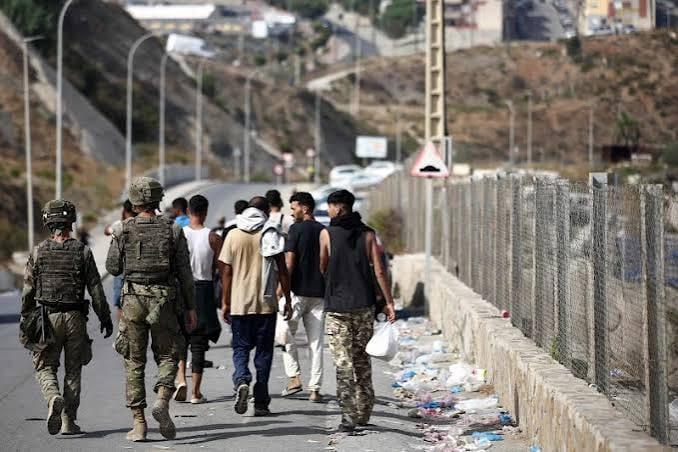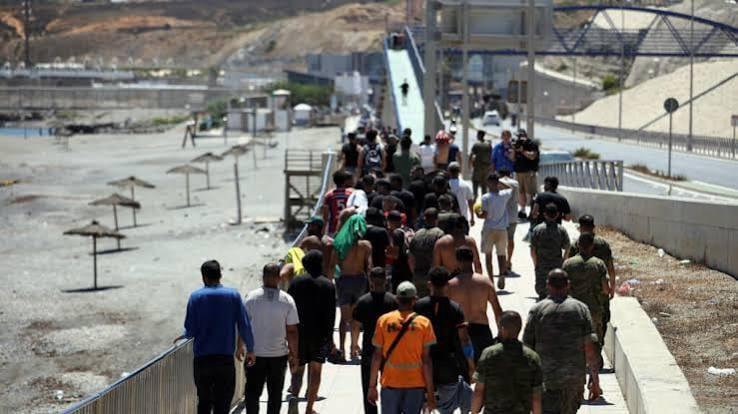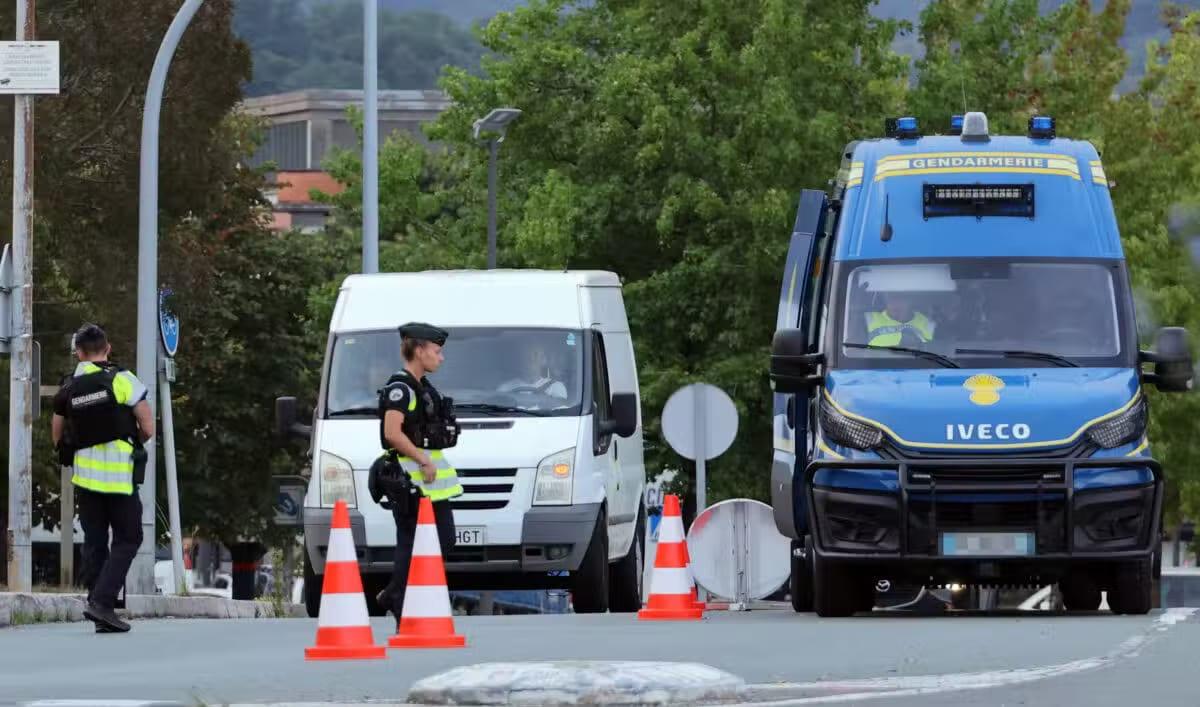
Spain has initiated border checks on travelers arriving from Italy, escalating tensions between the two EU countries. This move follows Italy's imposition of similar measures in response to a significant migrant influx into Spain's Ceuta enclave. Both nations are now navigating a complex diplomatic row, raising questions about the future of visa-free travel within the Schengen Area.
Why did Spain start border checks on Italy?
Spain started border checks on travelers from Italy due to what it described as 'persistent irregular migration pressure' from Italy, which was exacerbated by a massive influx of migrants into Ceuta. This decision is a direct response to Italy's one-month border checks on travelers from Spain, which began on July 31.
What impact has the migrant influx had on Europe?
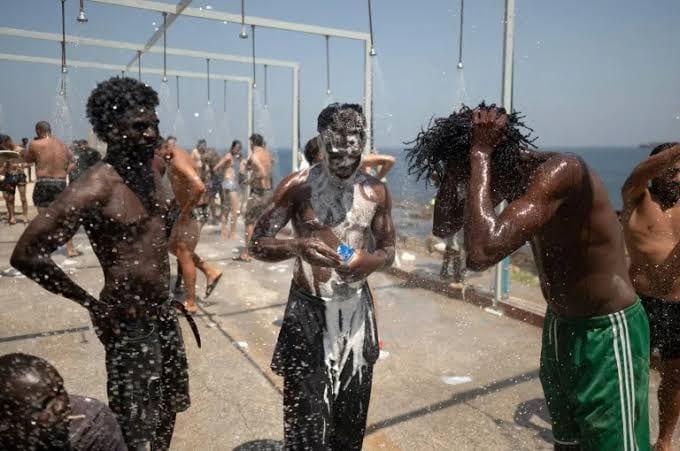
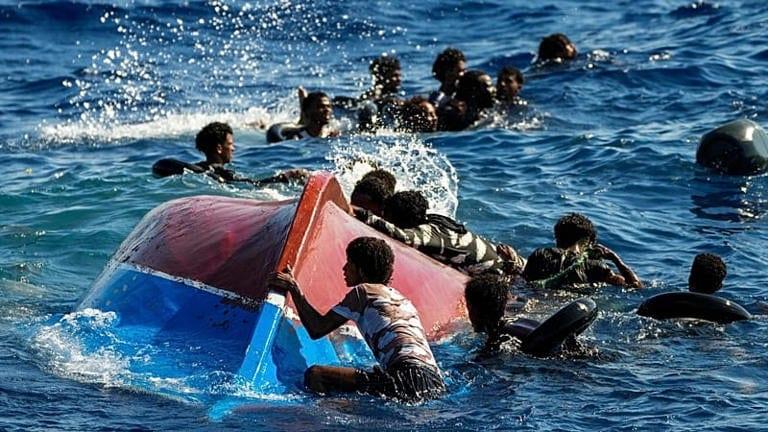
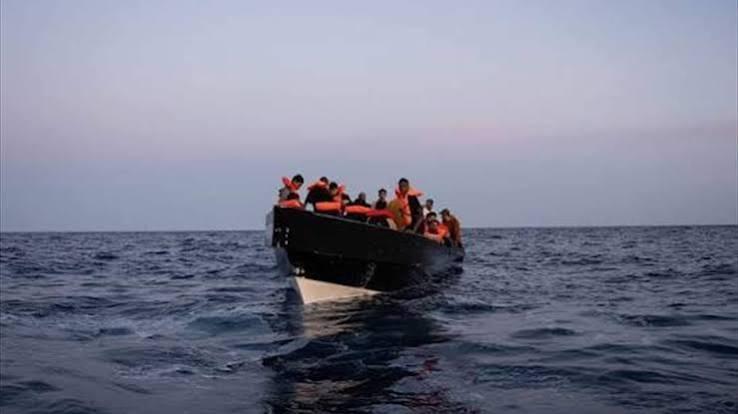
The influx of over 70,000 migrants into Ceuta alarmed European nations, particularly right-wing governments advocating for stricter rules on irregular migrants. While most migrants returned to Morocco within 48 hours, the incident has heightened concerns about migration within the EU and NATO.
How long will the border checks last?
Spain announced that the new border checks on travelers from Italy would remain in place until September 7. EU's migration chief Magnus Brunner has indicated that both internal border controls are temporary and suggested that Italy might lift its checks soon.
What is the EU's stance on this situation?
The EU's migration chief, Magnus Brunner, has been in contact with both Spanish and Italian interior ministers, confirming that the internal border controls are temporary. Brunner emphasized the importance of trust between member states and assured that the Ceuta events will not have a lasting effect on the Schengen area.