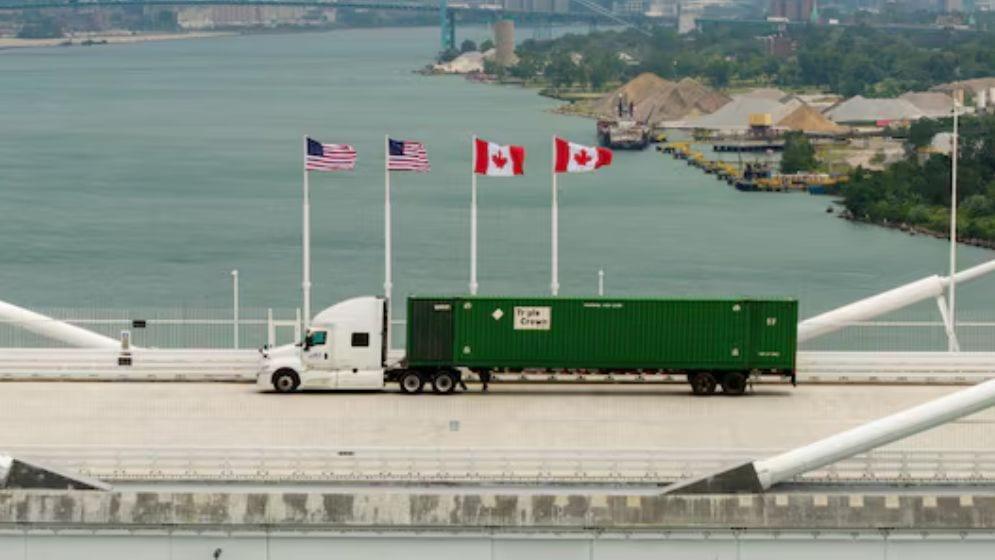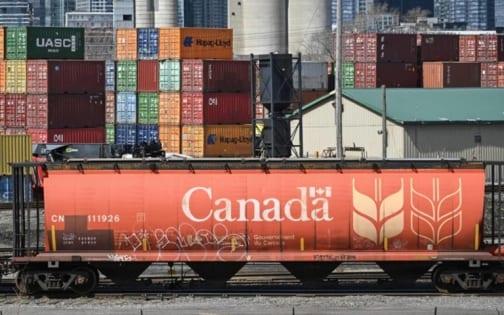
Effective Tuesday, the United States has introduced significant changes to tariffs on Canadian goods. Among the products now subject to 50-percent duties are cheeses and motorboats. Conversely, toilet paper, fishing rod parts, and cement have been exempted from these tariffs.
This adjustment comes at a critical time, just weeks before the US midterm elections. With households and businesses already grappling with high living costs, the imposition of new tariffs on Canadian products could have further increased expenses for some groups. Senior US officials have emphasized that these tariffs only impact a small portion of overall bilateral trade.
The latest amendments to the tariff list include various cheeses, motorboats, papers, aluminum and steel products, mattresses, and certain types of furniture. However, items such as toilet and facial tissues, fishing gear, whiskies in containers exceeding four liters, road salts, and cement are now exempt from the 50-percent duty.
Senator Susan Collins of Maine, whose reelection is crucial for Republicans to retain control of the Senate, specifically raised concerns about the impact of tariffs on road salt and cement with the federal government. These exemptions are particularly significant for states experiencing harsh winter weather and ongoing construction projects.
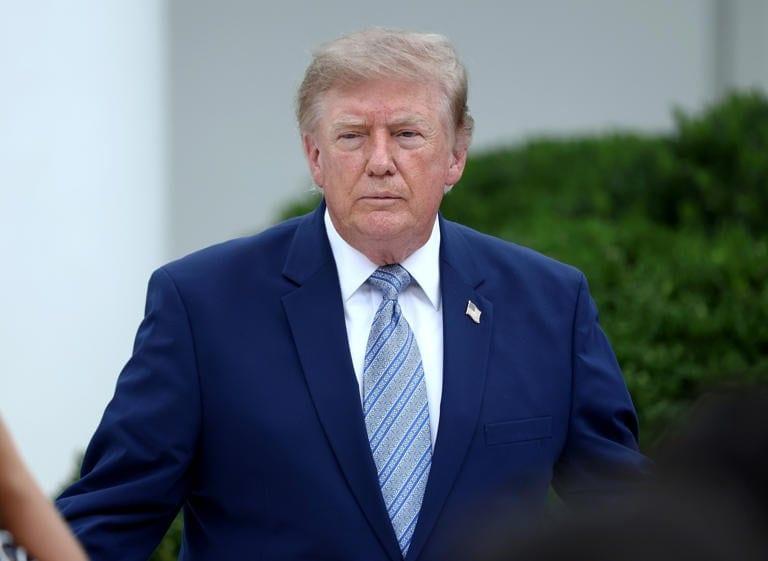
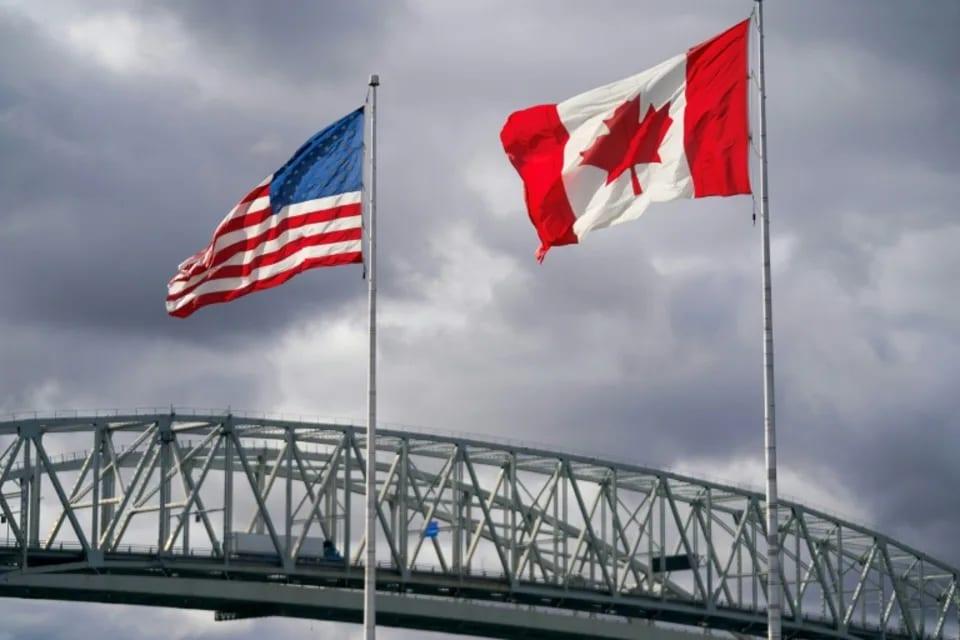
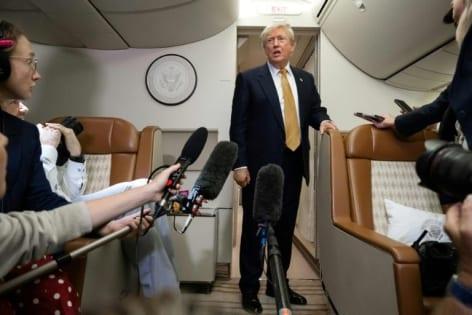
The imposition of these duties marks another escalation in the ongoing trade war between the United States and Canada. President Donald Trump imposed a 50-percent tariff on $20 billion in Canadian imports in August after trade talks failed, prompting Ottawa to retaliate with counter-tariffs on a similar value of goods. In response, the White House announced a ban on certain alcoholic beverages and dairy goods from Canada, effective September 29, while modifying its tariff list.
Trump utilized a lesser-known legal provision, Section 338 of the Tariff Act of 1930, to implement the latest tariffs on Canada. These new duties apply to goods covered under the US-Mexico-Canada free trade agreement and are in addition to sector-specific tariffs already in place. A senior US official indicated that Trump's earlier threat to increase tariffs on Canadian autos from 25 percent to 50 percent in January remains on the table, suggesting further escalation could be imminent.
For Bangladesh, the escalating trade tensions between the United States and Canada underscore the volatile nature of global trade relations. As a nation heavily reliant on exports, understanding the dynamics of international trade policies and their potential impacts is crucial for economic planning and stability.