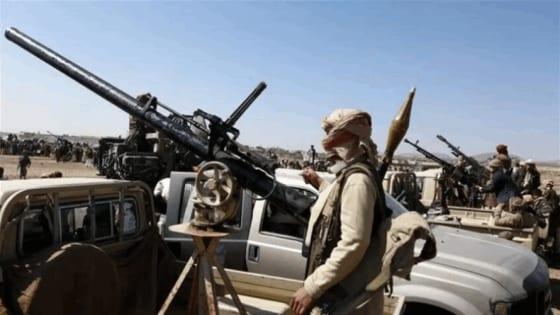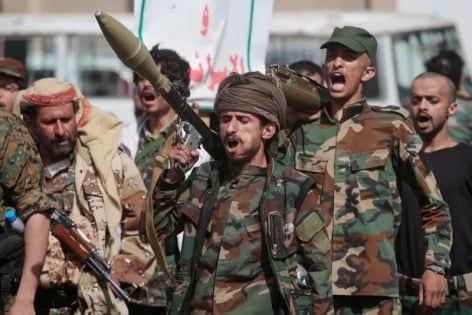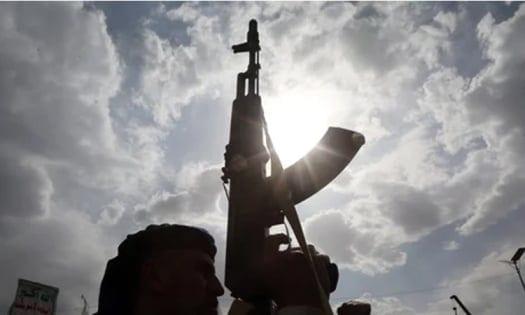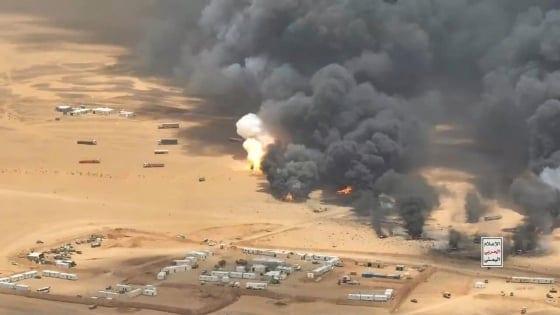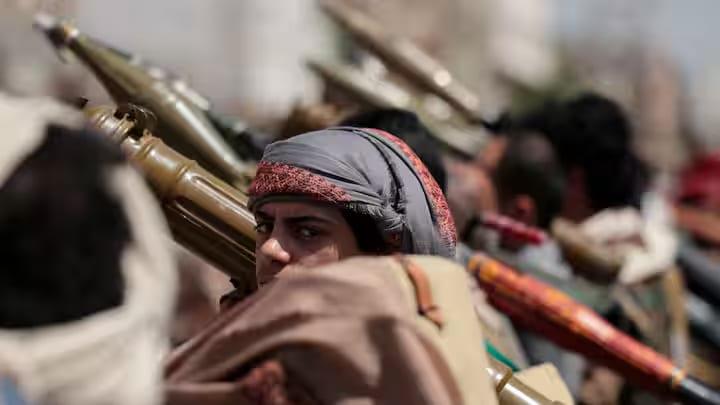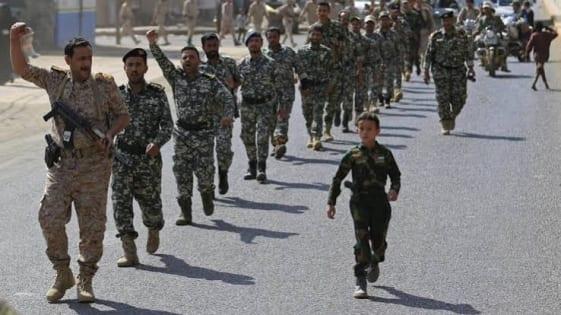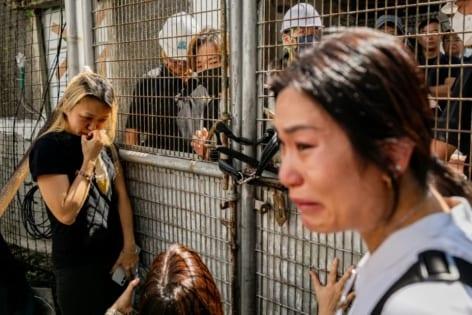
Nearly 86,000 people have been displaced in Yemen due to escalating fighting between government forces and Iran-backed Houthi rebels, the United Nations reported. The International Organization for Migration (IOM) stated that the number of displaced individuals surged by 10,000 in a single day, reaching 85,818 people. The recent Houthi offensive, which captured Yemen's Red Sea coast and several strategic islands, has intensified the conflict. Over 82,000 of those displaced fled their homes since September, with Taiz province being the hardest hit. Additionally, more than 2,000 displaced Yemenis have fled to Djibouti.
Escalating Conflict
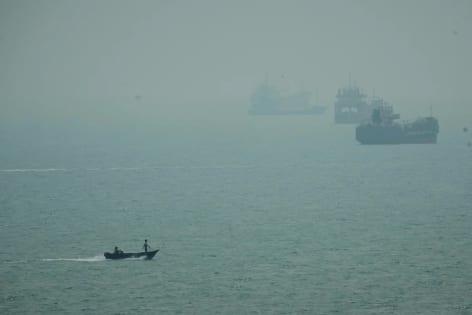
The Houthi rebels launched a large-scale offensive against Saudi-backed Yemeni government forces at the beginning of September. This offensive resulted in the capture of the remainder of Yemen's Red Sea coast and several strategic islands, including those in the Bab al-Mandab Strait. The fighting has displaced tens of thousands of people across the west coast and Taiz areas.
Humanitarian Crisis
The IOM reported that Taiz province saw the highest number of displacements, with 9,280 households, or nearly 56,000 people, forced to flee. The ongoing conflict has exacerbated the humanitarian crisis in Yemen, one of the poorest countries in the Arab world. Many displaced individuals have been forced to leave the country entirely, with over 2,000 Yemenis reaching Djibouti.
Call for Aid
IOM chief Amy Pope highlighted the urgent need for increased support for those affected by the conflict. She emphasized that Yemen, already grappling with poverty and conflict, cannot manage this crisis alone. Pope called on donors to scale up assistance for both those arriving in Djibouti and the communities in Obock receiving them.
Impact on Djibouti
The arrival of over 2,000 displaced Yemenis in Djibouti has put additional strain on the country's resources. Djibouti, located across the Bab al-Mandab Strait from Yemen, has become a critical destination for those fleeing the violence. The IOM is providing assistance to the newly arrived individuals, many of whom are women and young children.