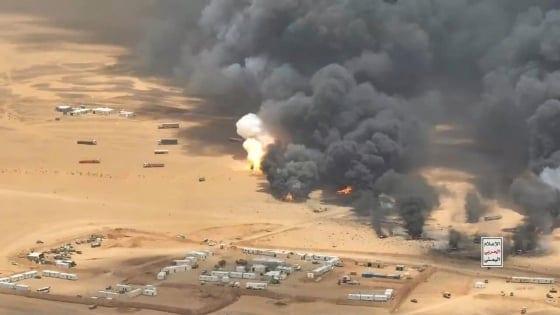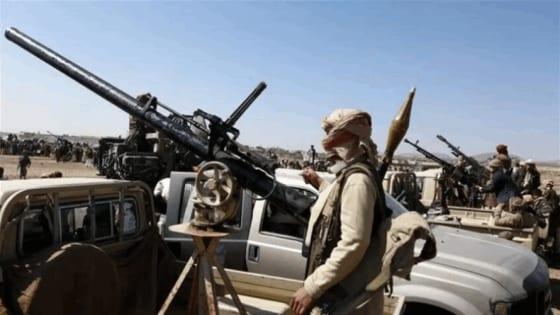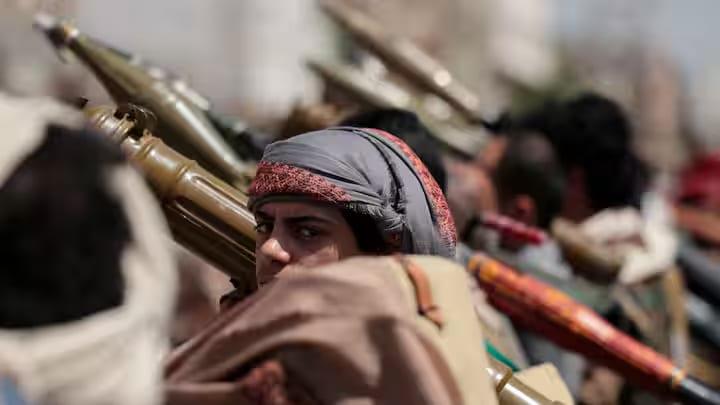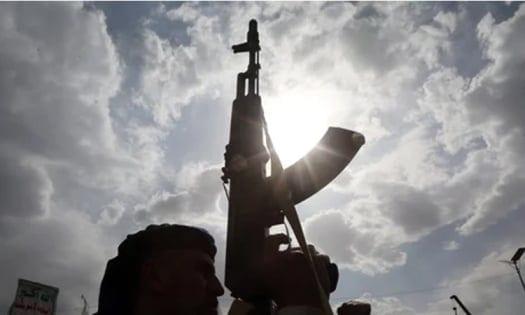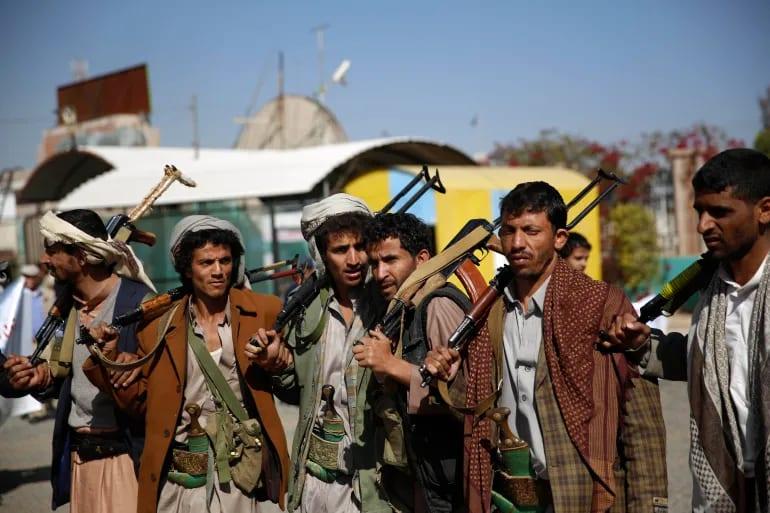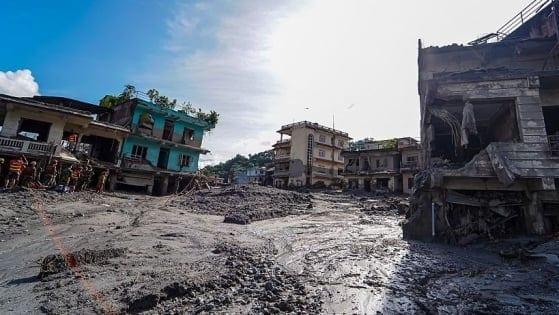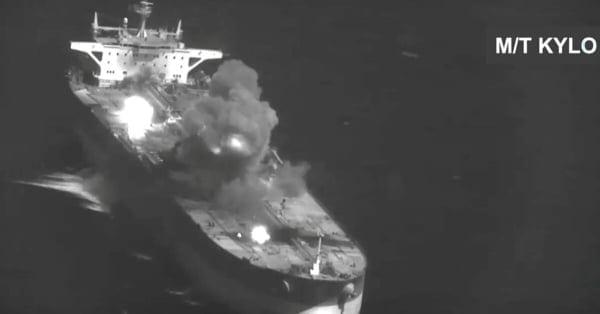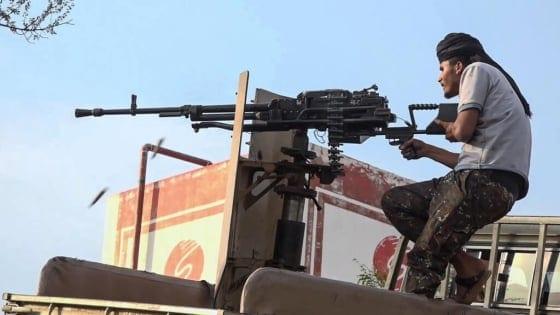
The conflict in Yemen has escalated dramatically as the Saudi-led coalition and Houthi rebels exchanged airstrikes, leading to hundreds of casualties and a deepening humanitarian crisis. The ongoing hostilities have reignited the long-standing conflict, with more than 50 attacks targeting several regions in Yemen, including Taiz and Hodeida.
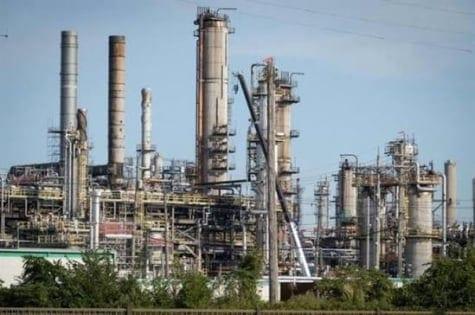
According to the International Organization for Migration, nearly 20,000 people have fled the fighting, with many trapped in conflict zones. The latest escalation comes after the Iran-backed Houthis launched missile and drone attacks against Saudi Arabia, causing fires and temporary shutdowns at oil sites.
The Saudi-led coalition responded with airstrikes on Houthi-controlled areas, further intensifying the conflict. The city of Hodeida, a critical Red Sea port held by the Houthis, is considered a significant strategic objective for both sides. The ongoing violence risks returning Yemen to a full-scale war that has already left hundreds of thousands dead and created one of the world's worst humanitarian crises.
FAQ
What triggered the recent escalation in Yemen?
The recent escalation in Yemen was triggered by the Houthi rebels allowing an Iranian plane to land in defiance of Saudi control of Yemeni airspace. The Saudi-led coalition retaliated by striking the airport, leading to a series of retaliatory attacks between the two sides.
What are the strategic objectives for both the Saudi-led coalition and the Houthis?
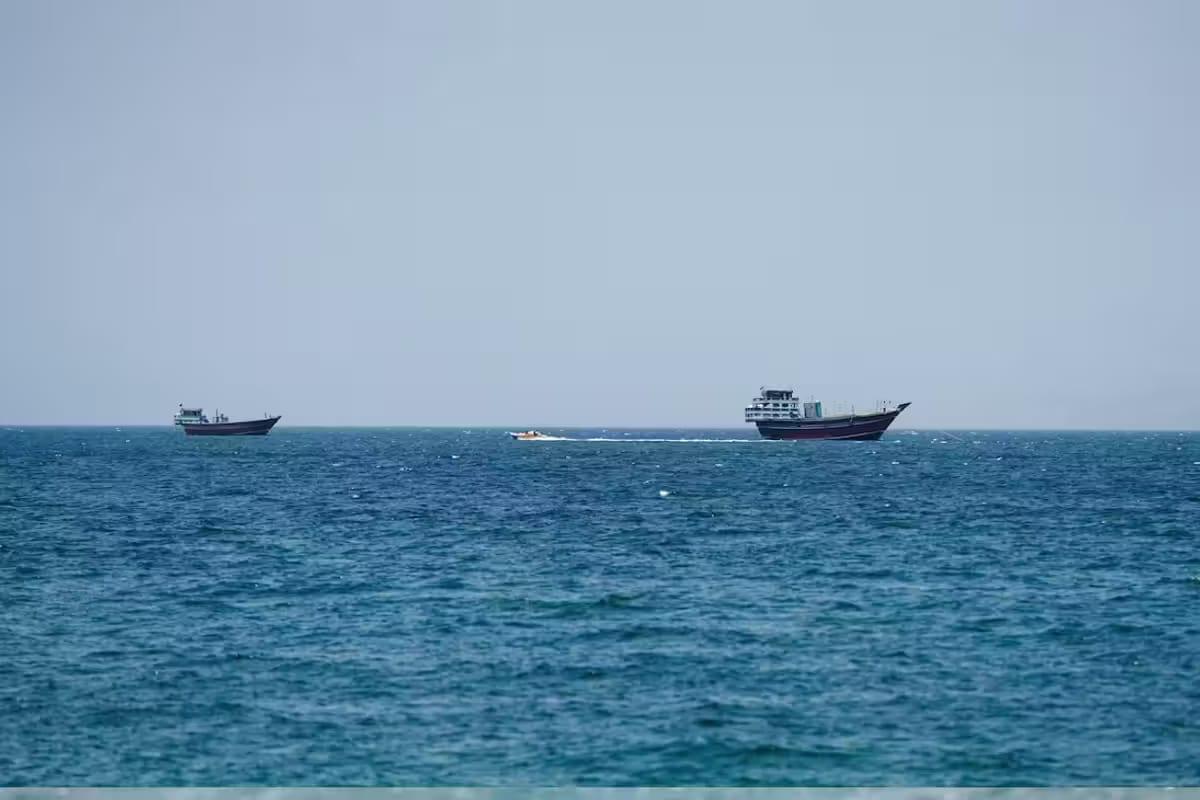
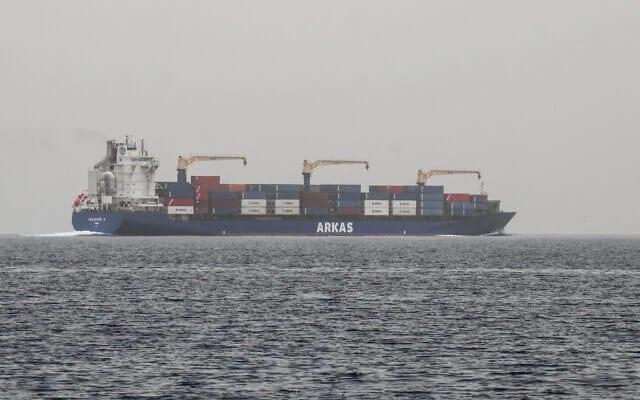
For the Saudi-led coalition, the strategic objective is to weaken the Houthis' control over key areas, particularly the city of Hodeida, which is a critical Red Sea port. For the Houthis, their objective is to tighten their grip on the Bab al-Mandab strait, a vital shipping route, and to disrupt Saudi oil shipments.
How has the Middle East war impacted the conflict in Yemen?
The Middle East war, which erupted in late February with US-Israeli strikes on Iran, has drawn Yemen into the broader regional conflict. The fighting in Yemen has intensified as the Houthis, backed by Iran, seek to leverage the chaos to gain strategic advantages, while the Saudi-led coalition aims to maintain control and protect its interests.