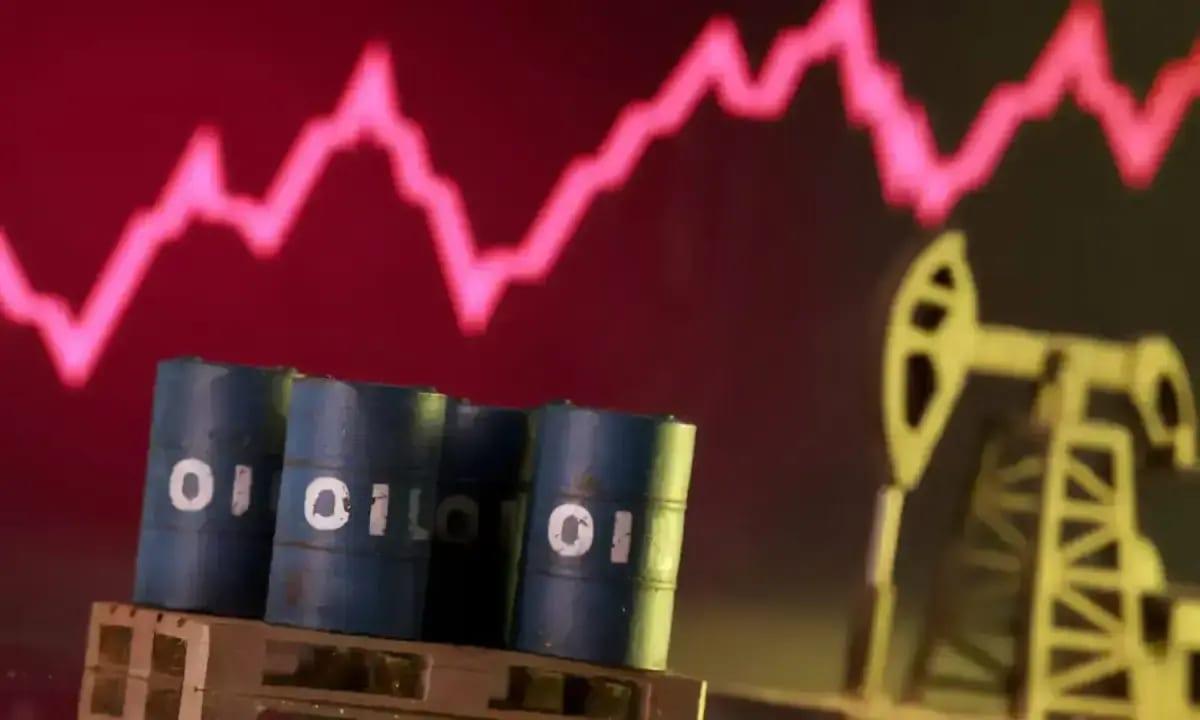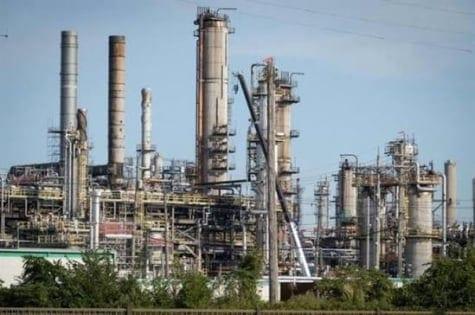
Brent oil, the international benchmark, surged above $100 a barrel on Wednesday for the first time since July, driven by renewed hostilities in the Middle East. This increase has heightened fears of inflation and economic instability as oil prices play a critical role in global markets. The jump in crude futures, with Brent North Sea rallying 2.8 percent to $100.65 a barrel, has caused jitters in stock markets, as investors brace for potential interest-rate hikes from major central banks to control rising consumer prices.
Market Reactions and Economic Implications
European markets were particularly affected, with Paris's CAC 40 index shedding nearly two percent in afternoon trading. Kathleen Brooks, research director at XTB trading group, noted that the $100 mark is a significant psychological threshold for markets. She emphasized that higher oil prices raise costs for businesses and consumers, potentially slowing economic growth. The main US oil contract, West Texas Intermediate, also climbed above $95 a barrel, reflecting broader market anxieties.
Geopolitical Tensions and Inflation Pressures
The surge in oil prices is directly linked to the ongoing conflict in the Middle East. Iran launched fresh attacks against US targets in retaliation for American strikes on Iranian oil tankers, deepening the conflict. The Revolutionary Guards claimed to have targeted 20 US vessels in the Strait of Hormuz, a critical chokepoint for global oil shipments. Market analyst Fawad Razaqzada at FOREX.com pointed out that the continuing conflict is causing concerns over supply disruptions, which in turn worries investors about the inflationary impact of elevated oil prices.
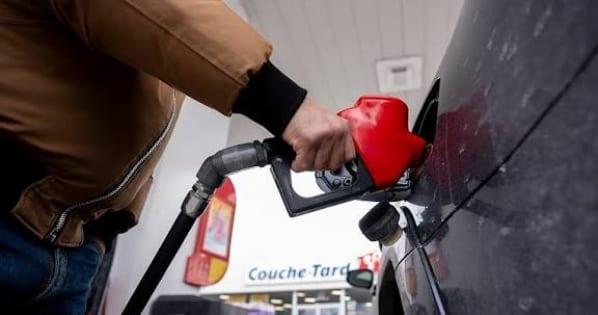
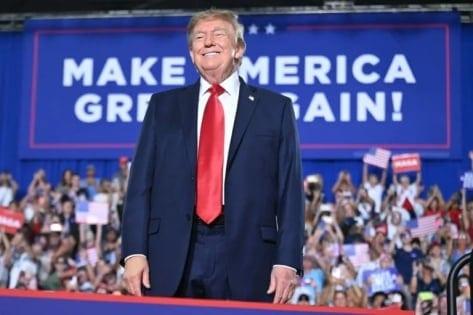
In the United States, average diesel prices have reached a record $5.94 a gallon, adding domestic pressure on President Donald Trump ahead of the midterm elections in November. Investors are closely watching upcoming US inflation data, expected to reinforce expectations of a Federal Reserve interest rate hike at next week's policy meeting. The European Central Bank is also anticipated to raise eurozone interest rates on Thursday, further complicating the economic landscape.
Away from the geopolitical tensions, Apple is set to unveil new devices, including a foldable iPhone, under its new CEO John Ternus. This event, however, is overshadowed by the broader economic concerns driven by oil price volatility and inflationary pressures.