The average price of diesel in the United States has surged to a record high of $5.90 a gallon, according to the motorists' association AAA. This increase comes as damage to Gulf refineries during the ongoing conflict with Iran has disrupted fuel supplies. The new price is approximately 30 cents higher than just one week ago and nearly double the average price of $3.71 a year ago.
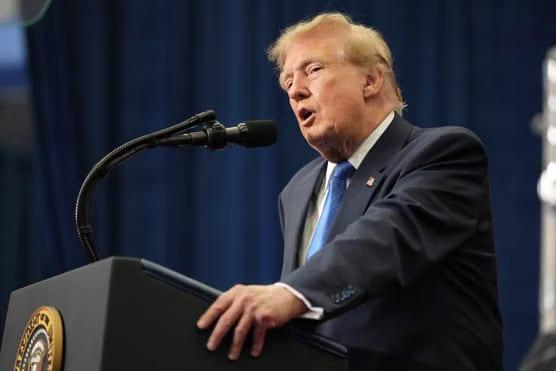
The rise in diesel prices, which is largely used in road hauling, agriculture, and construction, is putting additional pressure on President Donald Trump ahead of the midterm congressional elections in November. Trump has promised to address the higher costs of living, but the conflict with Tehran has severely impacted tanker shipments through the Strait of Hormuz, driving up fuel prices across the board.
Diesel is a critical fuel for many industries, particularly farming and trucking. The increased cost is likely to squeeze these sectors, potentially leading to higher prices for consumers as businesses pass on the increased costs. The average price for regular gasoline also rose to $4.15 a gallon on Monday, up from $3.20 a year ago.
In western US states, gasoline prices are even higher. In California, regular gas costs $5.86 a gallon, while in Arizona, it is $4.54. The surge in fuel prices is a significant concern for both businesses and consumers, impacting everything from transportation costs to the price of goods.
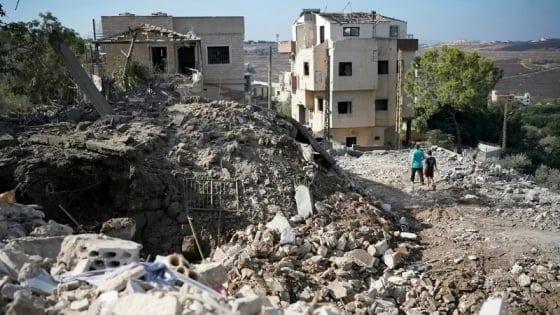
The conflict with Iran has had widespread economic repercussions, particularly in the energy sector. The Strait of Hormuz, a critical chokepoint for global oil shipments, has seen increased tensions and disruptions, leading to higher prices for oil and diesel worldwide. The situation underscores the vulnerability of global supply chains to geopolitical conflicts.
For Bangladeshi readers, the rise in diesel prices in the United States highlights the interconnectedness of global markets. Fluctuations in fuel prices can have ripple effects on international trade, affecting the cost of imported goods and the overall economy. It also emphasizes the importance of stable geopolitical relations for maintaining economic stability.