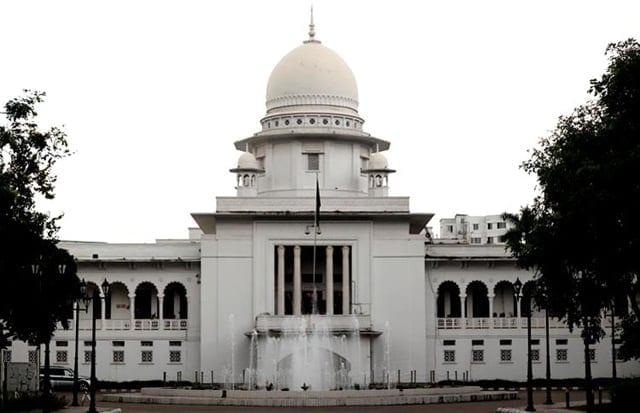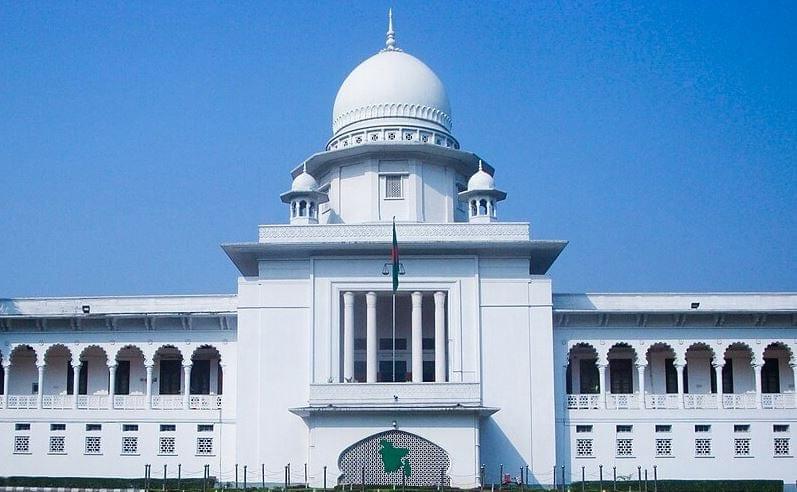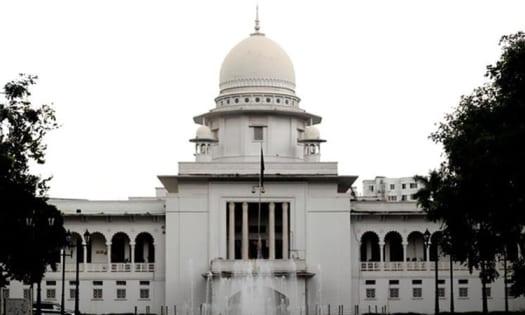
The High Court has stayed the expulsion and cancellation of certificates of Afsana Enayet Emi, a law student at Chittagong University (CU), who was expelled for assaulting and slapping an assistant proctor on duty. Afsana's lawyer, Advocate Moshtaq Ahmed Chowdhury, confirmed that a High Court bench comprising Justice Md. Habibul Gani and Justice Syed Mohammad Tajrul Hossain delivered the verdict lifting the permanent expulsion order about a month ago. The court upheld a six-month suspension, which has already expired, and directed the university authorities to return all her honours and master's degree certificates.
Background of the Incident
On the night of February 5, 2025, a group of agitated students attempted to vandalize the 'boat symbol' and a mural of Sheikh Hasina at the university's then Sheikh Hasina Hall (now Bijoy 24 Hall). They faced resistance from some resident female students, leading to a scuffle. The university's proctorial body intervened to control the situation. During the incident, Afsana Enayet Emi, a resident student of the hall, slapped Assistant Proctor Prof. Dr. Md. Korban Ali.
University's Response and Legal Proceedings
Following the incident, a video of Afsana slapping the assistant proctor went viral on social media, sparking widespread protests on campus demanding exemplary punishment for the student. In response, the university's Board of Residence, Health and Disciplinary Committee, held a meeting on February 13 and decided to permanently expel Afsana and revoke her academic certificates. Afsana's lawyer subsequently filed an appeal with the High Court, leading to the recent verdict staying the expulsion.
Why This Matters for Bangladesh
This case highlights the tension between student activism and university disciplinary actions in Bangladesh. It raises questions about the balance between maintaining order on campus and protecting students' rights. The High Court's decision to stay the expulsion and return Afsana's certificates underscores the importance of due process and the potential for judicial intervention in university disciplinary matters.