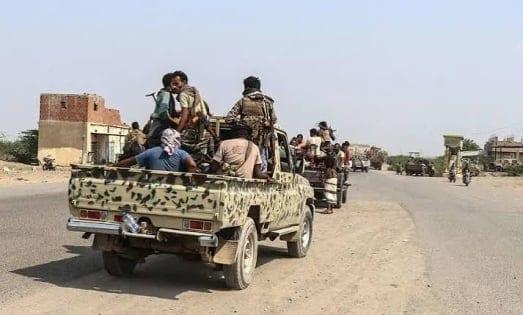
More than 140 combatants have been killed in the latest round of fierce fighting between Yemeni government forces and Iran-backed Houthi rebels, according to military sources. The clashes, which erupted over control of a strategic gateway to the Red Sea, mark the deadliest fighting in Yemen since a fragile ceasefire collapsed in July 2026.
Strategic Importance of Bab al-Mandab
The fighting has centered around the Bab al-Mandab chokepoint, a narrow strait that links the Red Sea to the Gulf of Aden and is crucial for global shipping and oil transit. With Iran's closure of the Strait of Hormuz, the Bab al-Mandab has gained increased importance as an alternative route for oil from Saudi Arabia, the world's largest crude exporter.
The Houthis, who have been fighting a years-long war against the Saudi-backed Yemeni government, launched an offensive aiming to cut off the government-held port city of Mokha and advance towards areas bordering the Bab al-Mandab. The government forces have been resisting the Houthi push, with both sides suffering heavy casualties.
Escalation of Yemen's Civil War
The renewed fighting in Yemen comes amid a wider escalation of tensions in the Middle East. In July 2026, a fragile truce between the Houthis and Yemen's internationally recognized government collapsed after the rebels welcomed an Iranian plane to the capital Sanaa, sparking a new round of attacks.
The Houthis have also announced a maritime blockade of Saudi Arabia and begun targeting its ships and territory, further escalating the conflict. The fighting between the Iran-backed Houthis and government troops supported by Saudi Arabia and the United States signals the emergence of a new front in the wider Middle East war, which broke out in late February 2026 with US-Israeli strikes on Iran.
The intensifying conflict in Yemen has serious implications for global energy supplies and shipping routes, as well as the humanitarian crisis in the war-torn country. With over 300 combatants and some civilians killed since the Houthi offensive began, the violence shows no signs of abating, threatening to further destabilize the already fragile situation in the region.