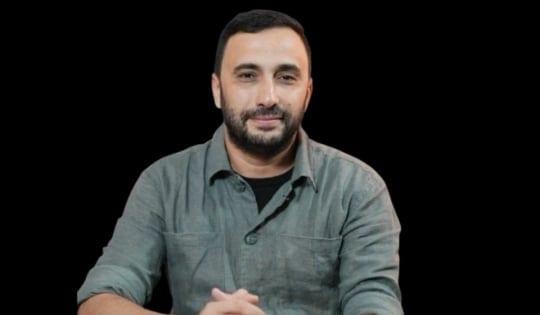
Tunisian authorities detained journalist Mohamed Yousfi on Friday as he arrived for a radio interview, according to the programme host and head of Tunisia's journalists' union. Yousfi, the editor-in-chief of the Alqatiba website, was stopped in front of the Express FM radio lobby and taken away for questioning.
Walid Ben Rhouma, the host of the programme, said in a Facebook post that Yousfi was barred from entering to participate in the broadcast. Zied Dabbar, president of the National Syndicate of Tunisian Journalists (SNJT), said it was unclear why Yousfi was detained, but he believed the move was linked to his journalism critical of the authorities.
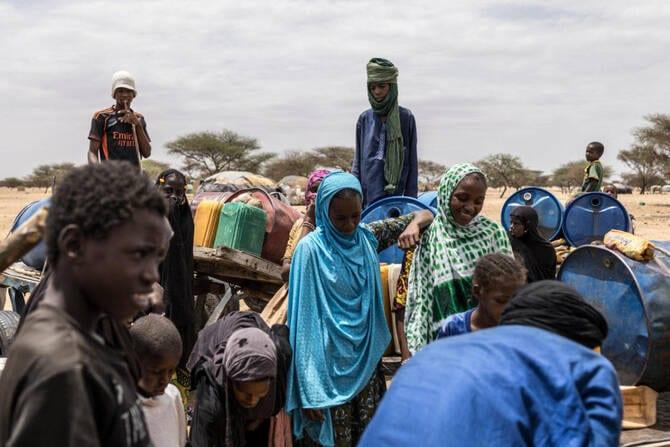
Alqatiba is an independent Tunisian media outlet known for investigative reporting and long-form coverage of political, economic, social, and environmental issues. Yousfi had been due to discuss water issues in Tunisia during the broadcast. Water cuts have affected parts of Tunisia in previous summers, but this year's outages spread across much of the country, compounded by a shortage of bottled water.
Yousfi's detention follows a series of cases that rights groups and the SNJT have cited as evidence of shrinking public freedoms in the North African country. On Thursday, lawyer Ghazi Mrabet, known for handling politically sensitive and civil liberties cases, was arrested and placed in custody, according to local media reports. The case reportedly involves alleged drug trafficking, although there are conflicting accounts of the circumstances.
Press freedom groups have voiced concerns over civil liberties in Tunisia, where journalists, lawyers, opposition figures, and activists have faced arrest and prosecution in recent years. The detention of Yousfi and Mrabet highlights the ongoing challenges to press freedom and civil liberties in the country.
The situation in Tunisia serves as a reminder of the importance of press freedom and the protection of journalists. In Bangladesh, similar concerns exist regarding the safety and freedom of journalists. Ensuring a safe environment for journalists to operate is crucial for maintaining a healthy democracy and informed public.