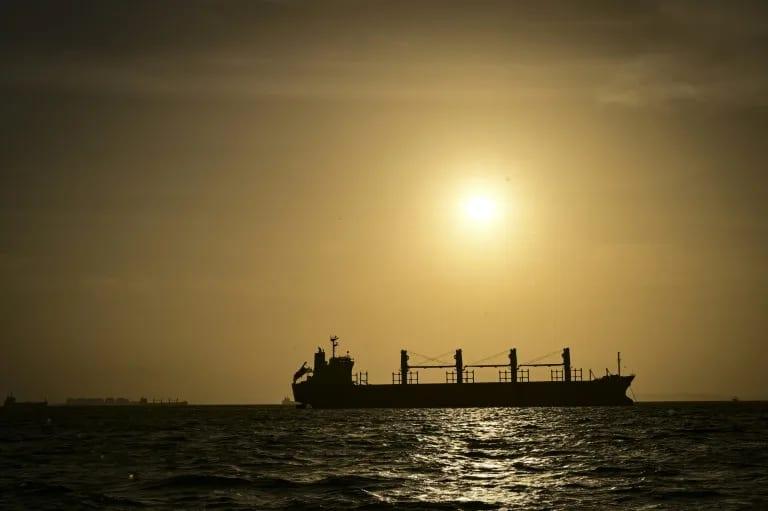
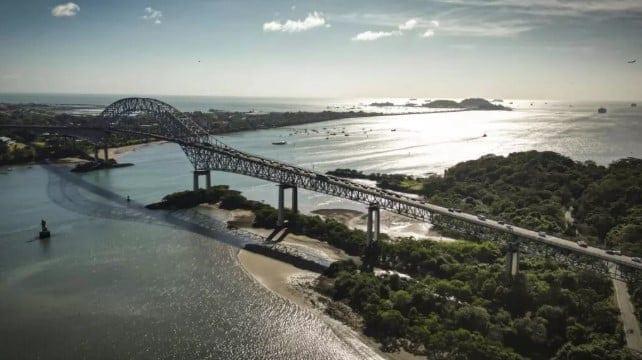
The Panama Canal has begun reducing the number of ships allowed to transit due to a drought caused by the El Nino weather phenomenon. Low water levels in the artificial lakes that feed the canal have forced the Panama Canal Authority to implement this measure. The number of vessels permitted through the waterway will be progressively lowered from 36 per day to 32 by mid-September.
Severe Drought and Water Conservation Measures
Panama has declared a nationwide emergency due to the effects of El Nino, a weather pattern that is causing global changes in winds, atmospheric pressure, and rainfall, along with increased global temperatures. This year's El Nino is expected to be the strongest in four decades. Central America is already experiencing a severe drought, leading Honduras and El Salvador to also declare emergencies.
The Panama Canal, which handles five percent of global maritime trade and around 40 percent of US container traffic, has implemented other water conservation measures. These include lowering the maximum draft—the vessel's depth in the water—for the largest ships. In 2023, similar El Nino conditions forced the canal authority to reduce the number of daily crossings to 22 vessels.
Global Impact and Previous Measures
The reduction in ship transits through the Panama Canal highlights the significant impact of El Nino on global trade. The canal's role in connecting the Atlantic and Pacific oceans makes it a critical route for international shipping. The measures taken now are aimed at preserving water levels to ensure the canal remains operational despite the ongoing drought.
El Nino's effects are felt worldwide, with changes in weather patterns leading to both droughts and floods in different regions. The canal's authority has had to balance the need for water conservation with the demands of global trade, implementing measures that affect shipping schedules and logistics for many businesses.