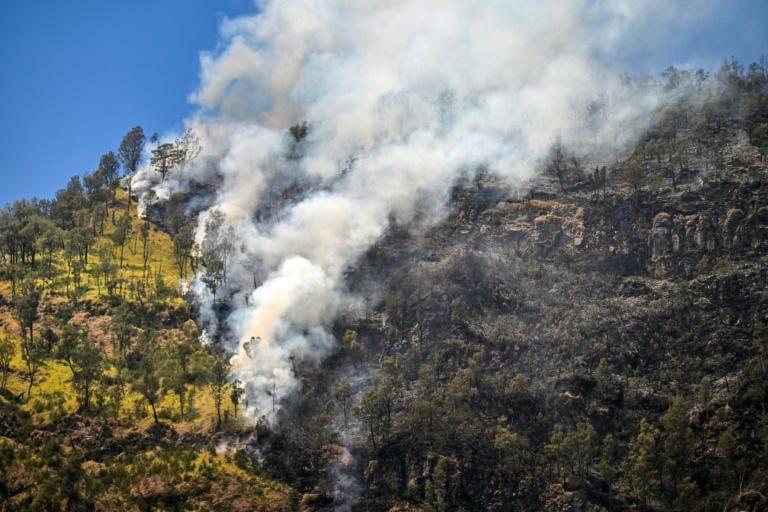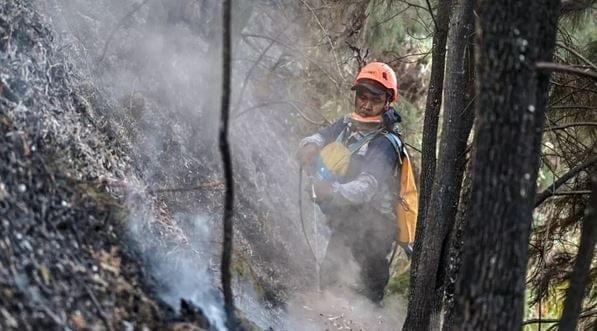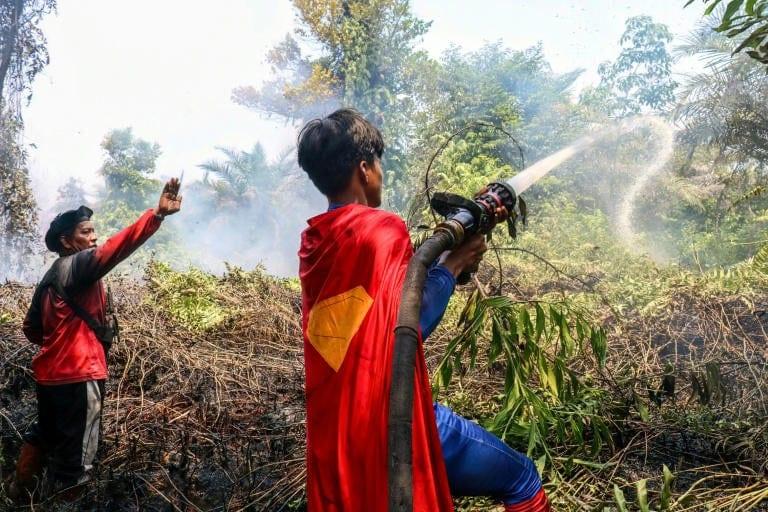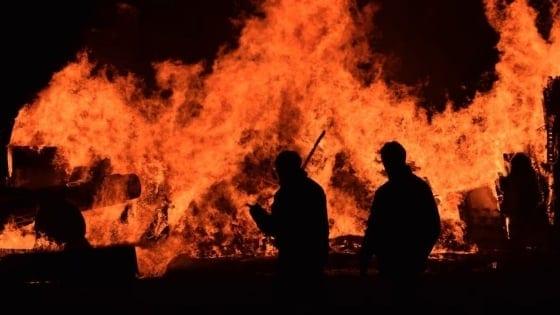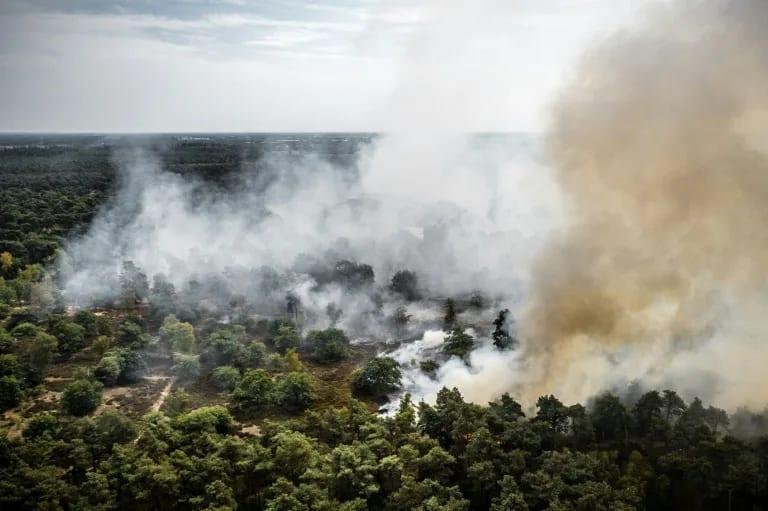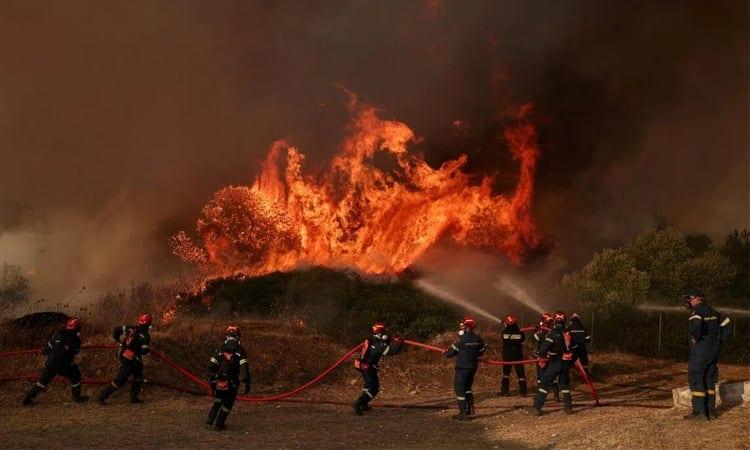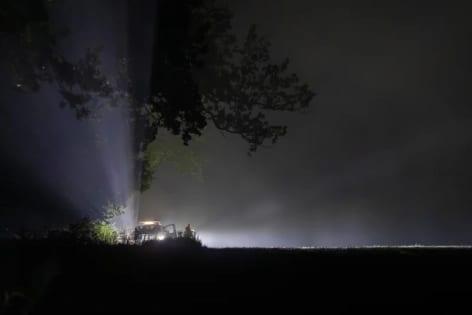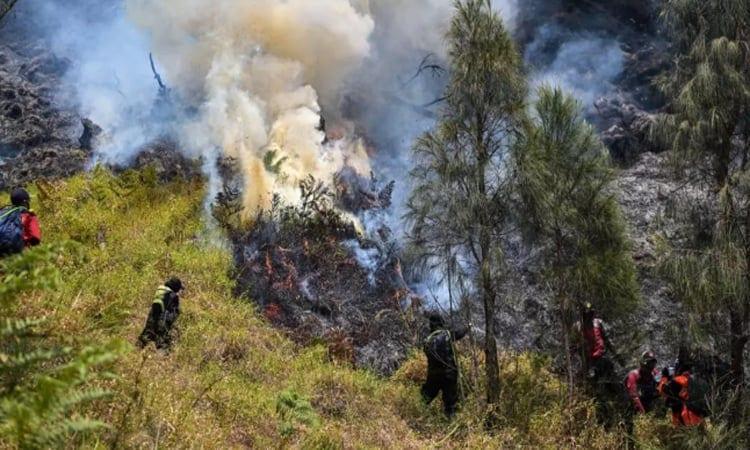
Indonesia is currently battling a wildfire in Mount Bromo National Park on Java island, which has ravaged over 120 hectares of land. The fire, which started near Mount Bromo in East Java, has prompted authorities to close the popular tourist destination until further notice. Water-bombing helicopters have been deployed, but challenges remain due to the steep, cliffside terrain and unpredictable wind conditions.
The exact cause of the fire remains unknown, but the dry conditions exacerbated by the onset of El Nino are believed to be contributing factors. Mount Bromo, known for its volcanic landscape, is particularly vulnerable during periods of drought. This is not the first time the area has faced such devastation; a similar incident occurred in 2023, when a pre-wedding photo shoot led to a fire that burned over 500 hectares.
Indonesia's weather agency has issued a warning that the 2026 dry season will be more severe than usual, with a heightened risk of wildfires and droughts due to El Nino. The phenomenon, which typically causes drier conditions in India and Southeast Asia, has already resulted in over 107,000 hectares of burned land between January and June this year, more than double the area affected in 2023.
El Nino is a naturally occurring climate pattern that influences global wind, air pressure, and rainfall patterns. The last El Nino event contributed to 2023 and 2024 being the hottest years on record globally. For Bangladesh, these climate conditions highlight the interconnectedness of global weather systems and the potential for similar challenges in the future.