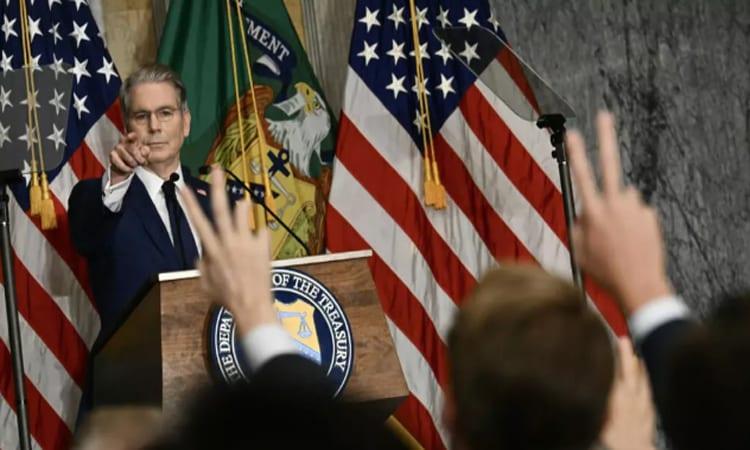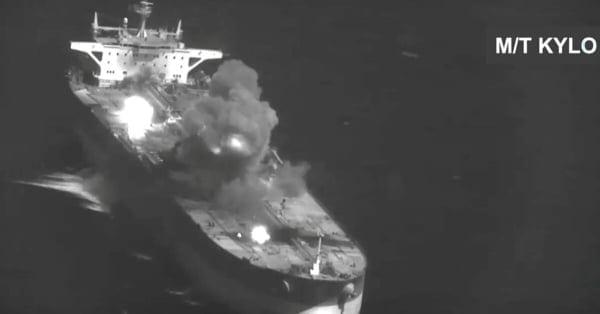
The United States is hosting a series of G20 meetings in Houston, Texas, from Monday through Wednesday, emphasizing the theme of 'energy abundance.' These discussions take place against the backdrop of President Donald Trump's ongoing war against Iran, which continues to cause significant disruptions in global fuel markets. Delegations from major economies, including China, India, Japan, and Germany, as well as key oil producers like Canada and Saudi Arabia, are participating. Notably, Russia is also sending officials, despite international tensions over its conflict with Ukraine.
The inclusion of Russian officials, such as Finance Minister Anton Siluanov, has caused some controversy. European allies of Ukraine expressed disappointment over the US decision to invite Russia, which contradicts efforts to exclude Moscow from international forums due to its war with Ukraine. The meetings occur as oil and gas prices surge due to the Middle East conflict, with Europe particularly struggling to secure sufficient gas supplies ahead of winter.
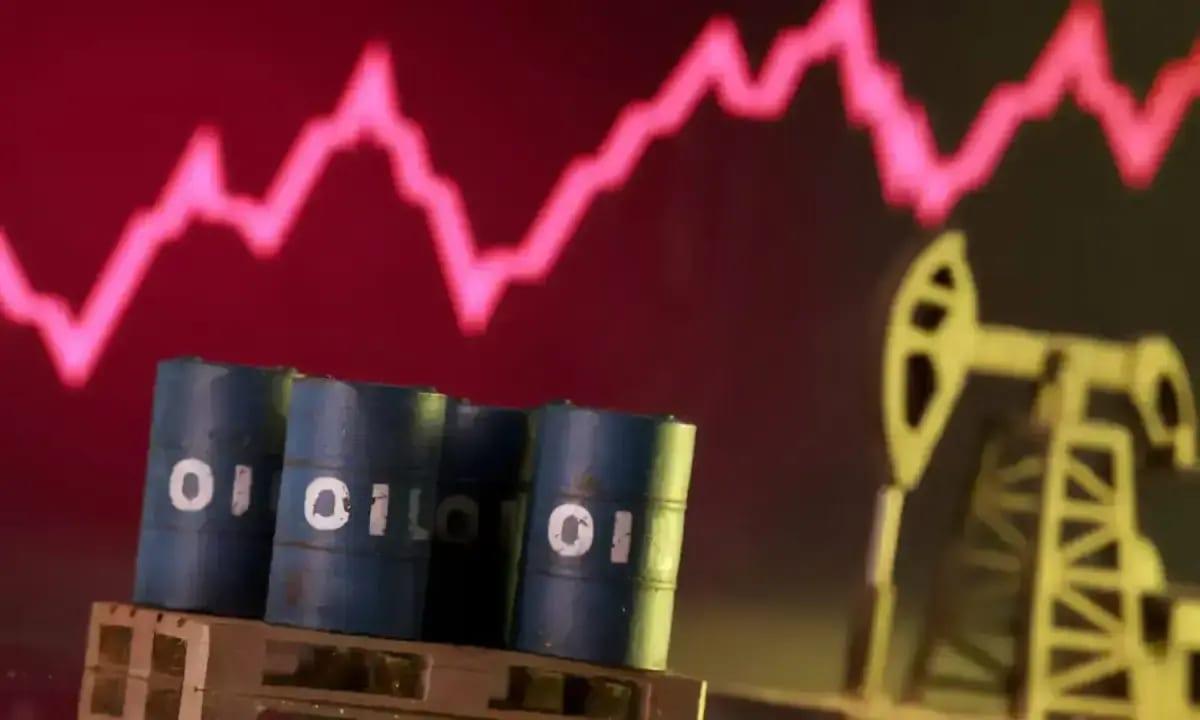
Washington's priority as G20 host is to expand access to affordable, reliable, and secure energy. However, this goal has been significantly challenged since the US and Israel attacked Iran in February. The conflict has led to skyrocketing fuel prices, with diesel in the United States reaching an average of $6.20 per gallon, according to the American Automobile Association (AAA). Regular gasoline prices have increased by 44 percent compared to pre-war levels.
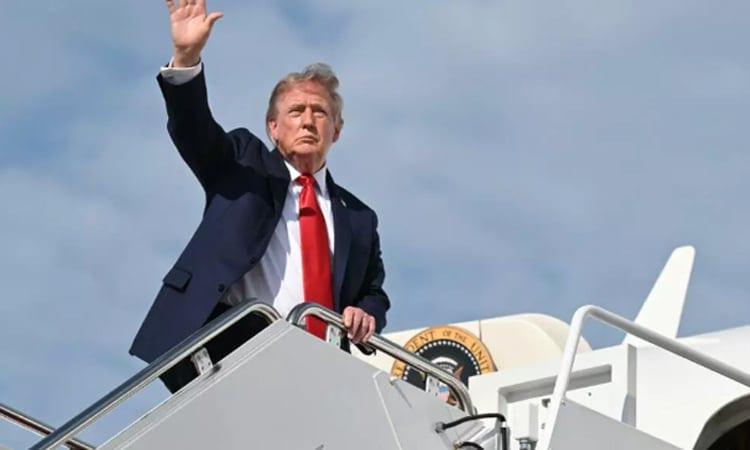
The escalating war and its economic consequences have raised concerns within Trump's Republican Party about potential defeats in the upcoming November midterm elections. President Trump has accused Iran of prolonging the conflict to harm him politically, claiming that the war would end "immediately" after the election. He also blamed Ukrainian President Volodymyr Zelensky for causing a diesel shortage through strikes on Russian refineries.
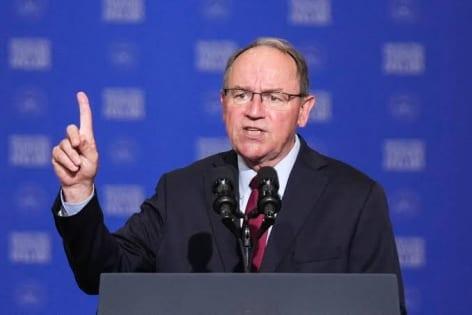
Key US officials, including Energy Secretary Chris Wright and Interior Secretary Doug Burgum, are expected to attend the Houston meetings. Wright, who plays a crucial role in Washington's energy dealings with Venezuela, will likely contribute to the discussions on energy policy and market stability.
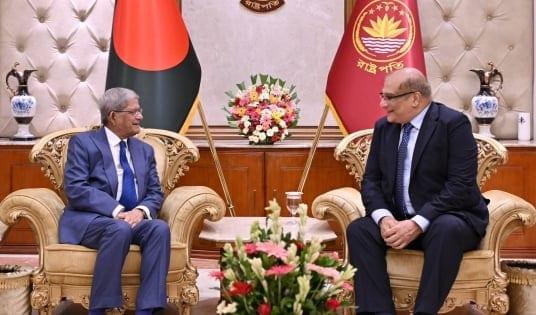
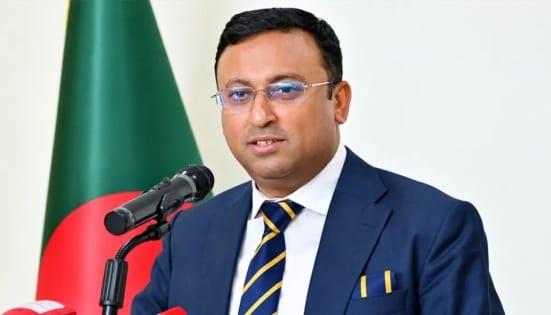
The G20 meetings aim to address the pressing issue of energy security amidst global instability. For Bangladesh, which relies heavily on imported energy, the outcomes of these discussions could have significant implications. Stable and affordable energy supplies are crucial for Bangladesh's economic growth and development, making the G20 talks a matter of keen interest for the nation.