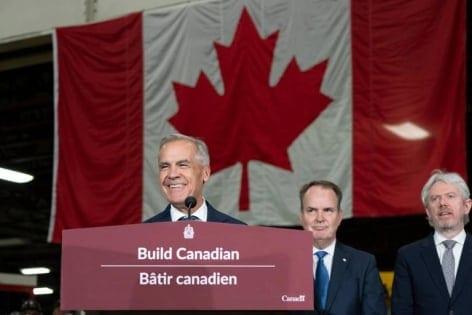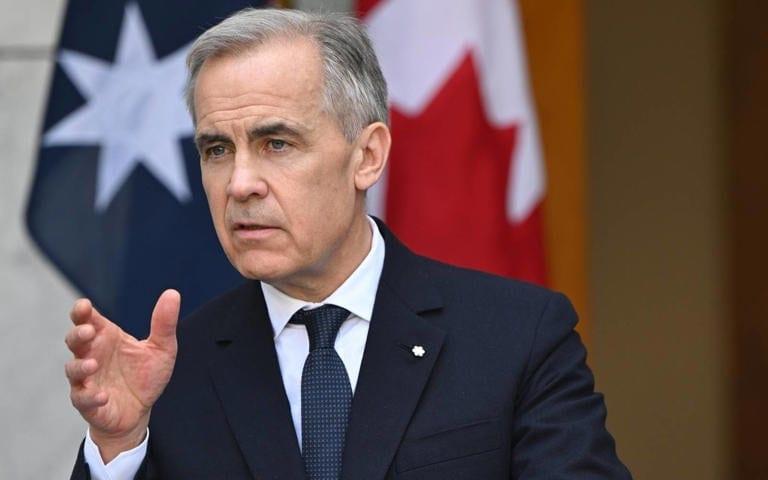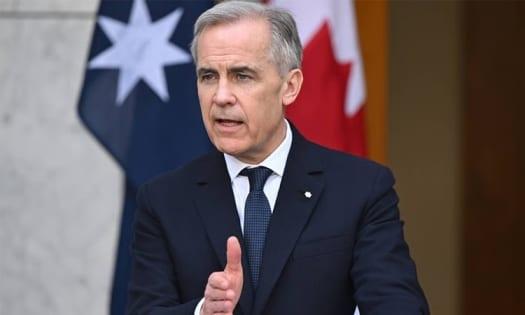
Canadian Prime Minister Mark Carney is actively pursuing closer ties with the European Union (EU) to mitigate the impact of what he describes as a hostile United States under President Donald Trump. Carney, who has described Canada as 'the most European of non-European countries,' is set to visit Strasbourg, France, this week. He will become the first head of government to attend the 'State of the European Union' address on Wednesday, followed by his own speech at the European Parliament the next day.
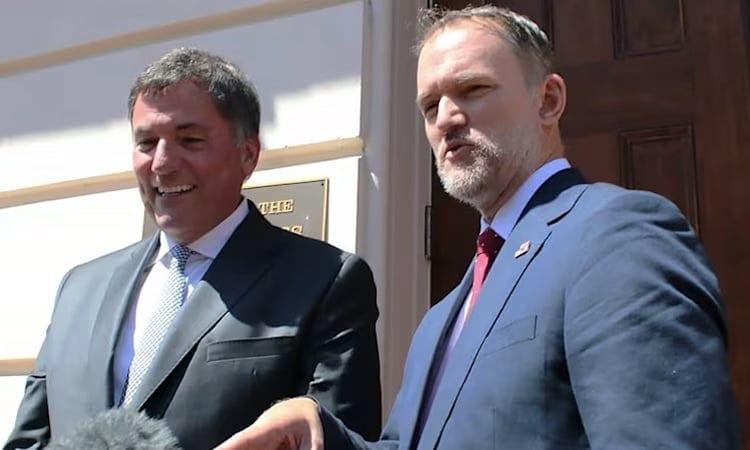
During his visit, Carney will also travel to Liverpool for his first meeting with Britain's new Prime Minister, Andy Burnham. Tobias Cremer, a German European lawmaker and main sponsor of a March resolution calling for stronger EU-Canada cooperation, described Carney's visit as a 'tremendous symbol.' Cremer highlighted that Canada possesses resources Europe lacks, such as energy, rare earths, and raw minerals.
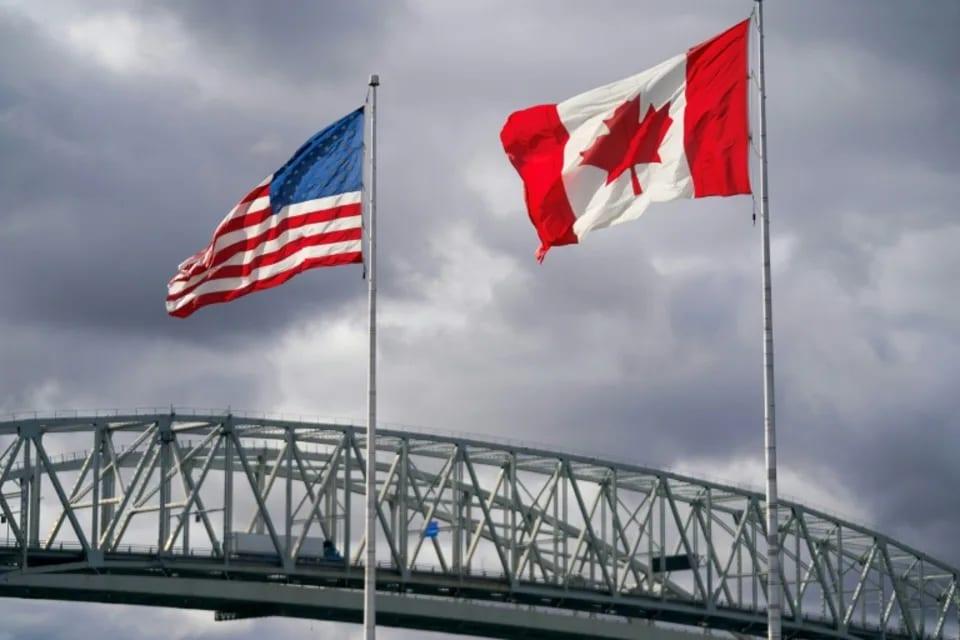
Canada's economy has been significantly impacted by President Trump's trade war, given its close economic integration with the US. Consequently, Canada is urgently seeking new economic partners. The EU, similarly affected by Trump's return to office, is also looking to 'diversify and de-risk' its foreign relations. Carney has already taken steps to bring Canada closer to the EU, including joining the bloc's defense procurement program and participating in the Eurovision Song Contest.
Next month, Carney will host an EU-Canada summit in Montreal, where discussions will commence on building 'a much stronger and deeper economic and security partnership.' Javier Moreno Sanchez, a Spanish EU lawmaker who heads a parliamentary delegation for relations with Canada, noted that Ottawa and Brussels share common views on climate and artificial intelligence. A digital trade deal is currently in the works, which would build on the existing Comprehensive Economic and Trade Agreement (CETA).
Speculation about full EU membership for Canada has intensified during Trump's second term. When asked about the prospect, Carney delivered a 'non-answer,' neither ruling out nor endorsing the idea. An April poll showed 57 percent of Canadians supported EU membership, though it remains unclear whether Canada is even eligible. Article 49 of the EU treaty states that 'a European state' committed to human dignity, freedom, democracy, equality, the rule of law, and respect for human rights can join the bloc.
Ignacio Garcia Bercero, an analyst at the Brussels think tank Bruegel, stated that the idea of Canada becoming an EU member is not realistic. However, close ties with the EU are possible without full membership, as seen with Iceland and Switzerland. Despite the challenges, including substantial transport costs and the fact that Europe will never replace the American market for Canada, Tobias Cremer emphasized that 'the closer we can cooperate, the better.' In July, 70 percent of Canadian exports went to the US, compared with just five percent to the EU.
For Bangladesh, Canada's efforts to diversify its economic partnerships could offer valuable lessons. As a nation heavily reliant on a few major trading partners, Bangladesh can benefit from understanding how Canada is navigating the complexities of international trade and seeking new alliances to ensure economic stability and growth.