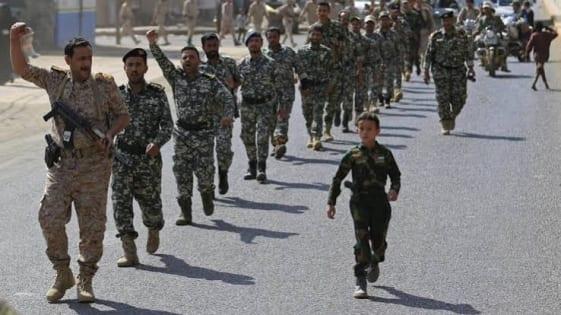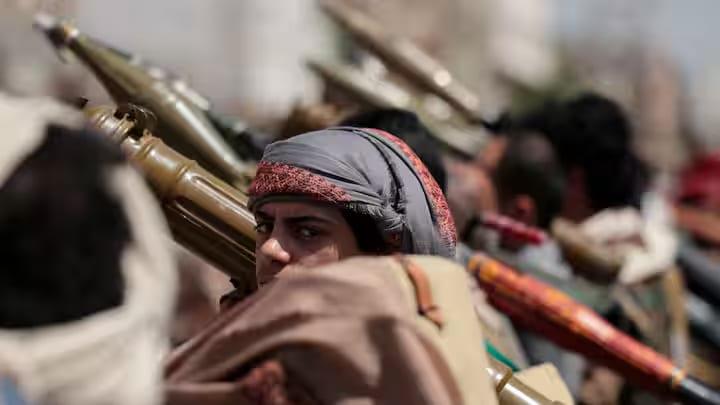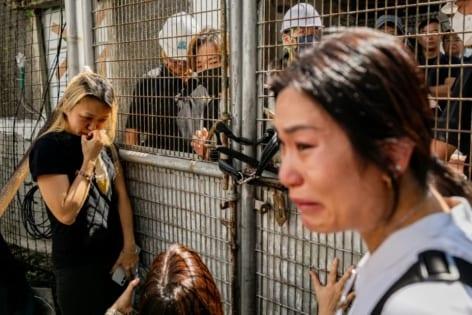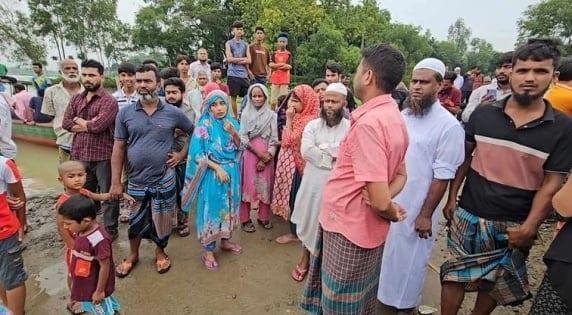
More than 2,000 individuals have sought refuge in Djibouti following intensified fighting in Yemen between Iran-backed Houthi fighters and the Saudi-backed government, according to the United Nations. The first arrivals reached Djibouti on Thursday evening, with the number of refugees expected to rise as the conflict continues. Djibouti, a small nation with a population of around one million, is located across the Bab al-Mandab Strait from Yemen, making it a critical transit point for migrants seeking to leave the continent.
Escalating Conflict
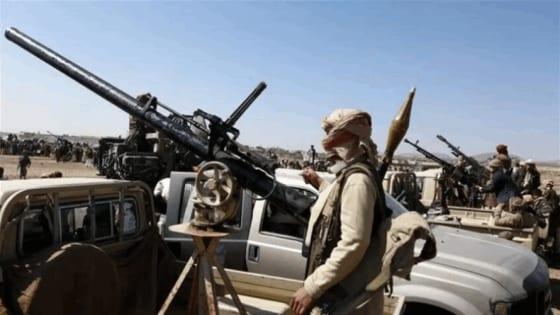
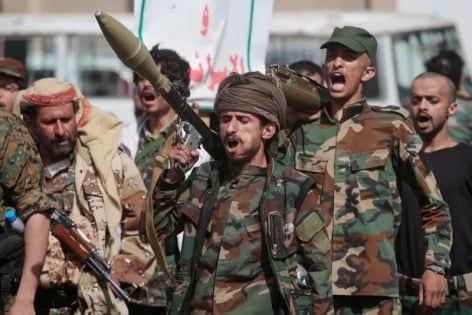
The recent Houthi offensive has led to the displacement of tens of thousands of people in Yemen. The Houthis have captured the remainder of Yemen's Red Sea coast and several strategic islands, including the key port city of Mocha. This offensive has significantly increased the number of displaced individuals, with the UN reporting at least 76,000 people displaced since July, a number that has quadrupled in the last week.
Strategic Importance of Djibouti
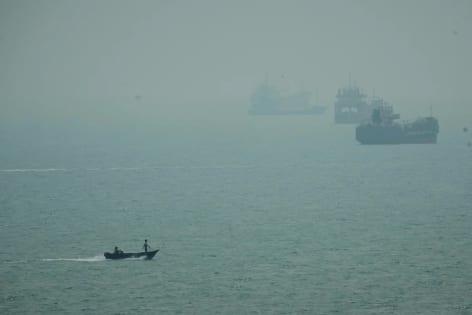
Djibouti's strategic location opposite Yemen across the Bab al-Mandab Strait makes it a crucial point for both military and economic activities. The strait is an important artery for Saudi Arabian oil exports, especially after Iran's blockade of the Strait of Hormuz. Djibouti hosts military bases from several countries, including the United States, China, Japan, France, and Italy, all of which maintain a presence to monitor the strait.
Humanitarian Impact
The influx of refugees into Djibouti poses significant humanitarian challenges. The small nation, already one of Africa's least populous, must now accommodate and support thousands of new arrivals. The International Organization for Migration (IOM) has highlighted the urgent need for assistance to manage the crisis. Djibouti's economy and infrastructure, already strained, will face additional pressure as it attempts to provide for the refugees.
Why This Matters for Bangladesh
The situation in Yemen and the resulting refugee crisis in Djibouti highlight the broader implications of regional conflicts. For Bangladesh, a nation that has experienced its own refugee crises, particularly with the influx of Rohingya refugees from Myanmar, understanding the dynamics of such conflicts is crucial. It underscores the importance of international cooperation and support in managing refugee crises and the need for preparedness in similar situations.