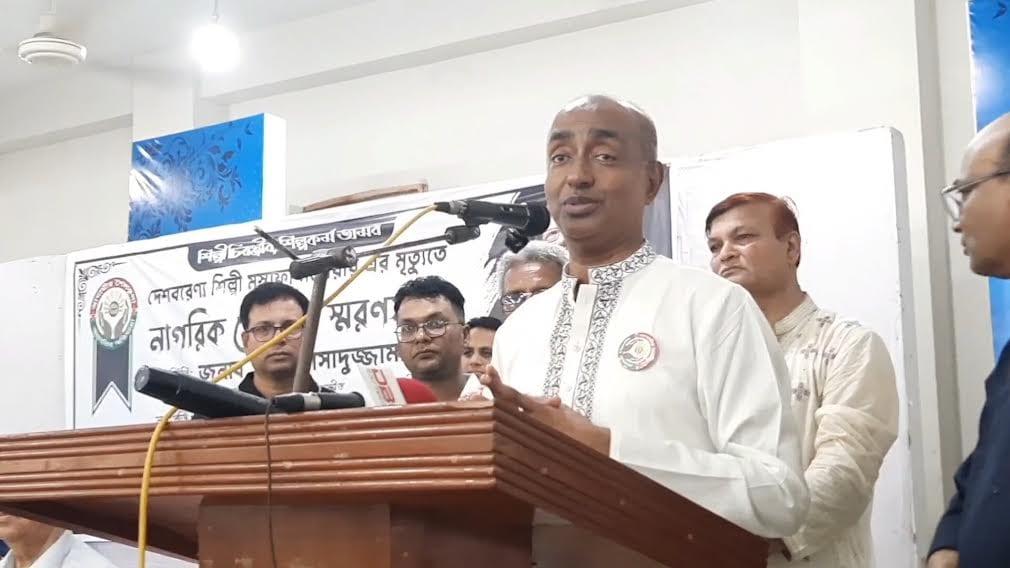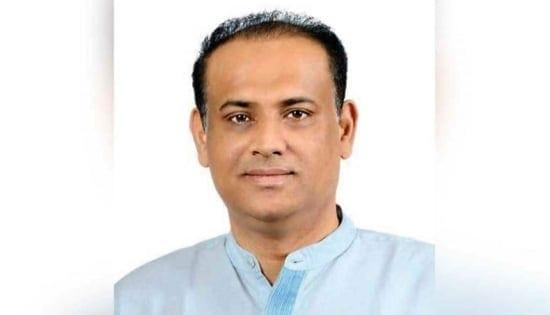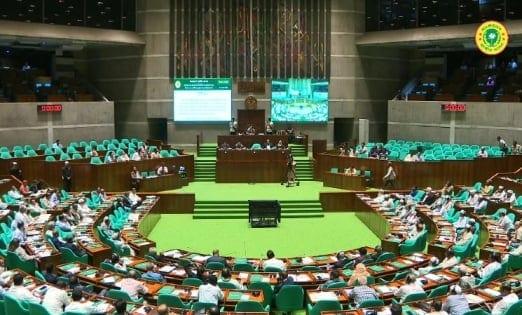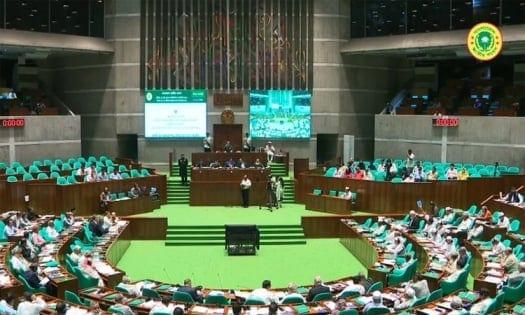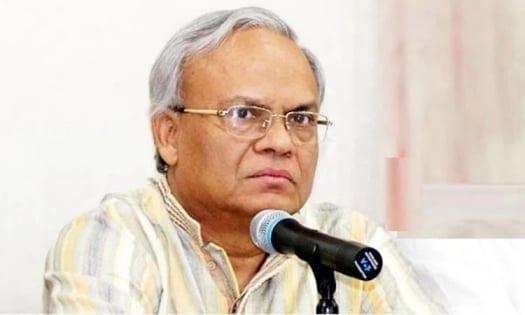
In a recent view-exchange meeting organized by members of Nagorik Somaj (civil society) in Lalmohan, Jatiya Sangsad Speaker Hafiz Uddin Ahmad, Bir Bikram, made startling allegations against the ousted prime minister, Sheikh Hasina. He claimed that she was the mastermind behind enforced disappearances and killings during her time in office. Describing her as the 'world's best actress,' Ahmad alleged that Hasina would console relatives of the disappeared or killed, despite knowing their whereabouts.
Ahmad's remarks were based on evidence and testimonies presented before the International Crimes Tribunal. He stated, 'Based on the evidence and testimonies of disappeared persons before the International Crimes Tribunal, it has been proved to the people that Sheikh Hasina was the world's best actress and herself the mastermind behind enforced disappearances and killings.' He further alleged that a barrister had been kept handcuffed and confined in an 'Ayna Ghar' for eight years and was released only after Hasina fled the country.
The Speaker did not stop at disappearances and killings; he also touched upon corruption during the previous Awami League government. He mentioned that under the Rooppur Nuclear Power Plant project, a pillow was priced at Tk 60,000 and a curtain at Tk 42,000. Ahmad also claimed that a former state minister for land had amassed 360 houses in London through embezzlement.
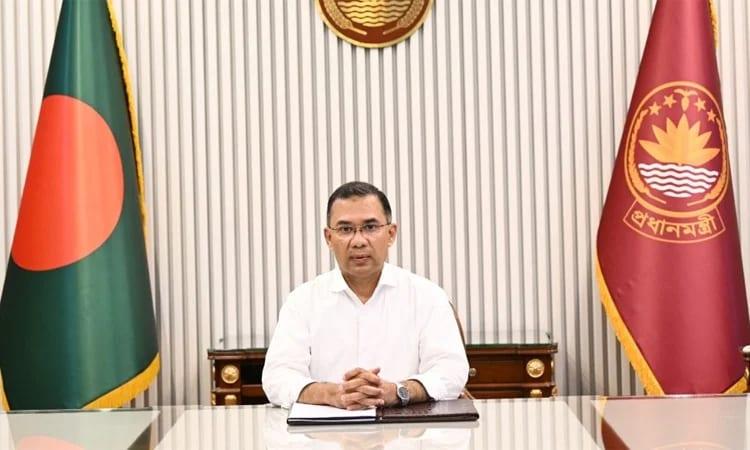
Hafiz Uddin Ahmad expressed hope that such irregularities would no longer be tolerated under the current government led by Prime Minister Tarique Rahman. He envisioned a Bangladesh that would become a country of transparency, accountability, and justice. The allegations made by the Speaker are serious and have significant implications for the political landscape of Bangladesh.
The accusations against Sheikh Hasina come at a time when the nation is grappling with issues of transparency and accountability. The claims made by the Speaker, if proven true, could have far-reaching consequences for the political future of the country. As Bangladesh navigates through these turbulent times, the need for transparency, accountability, and justice becomes ever more crucial.