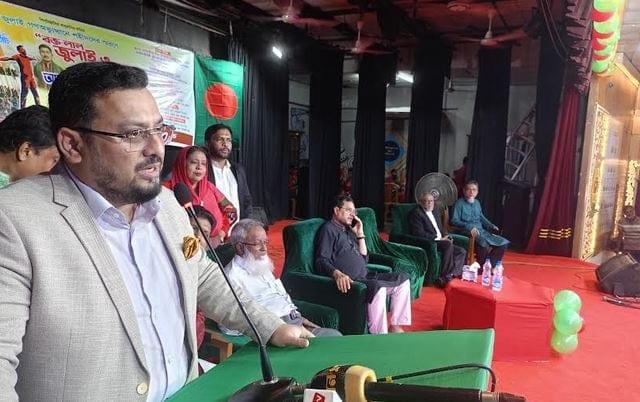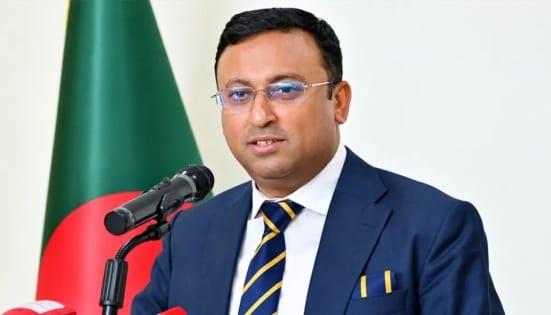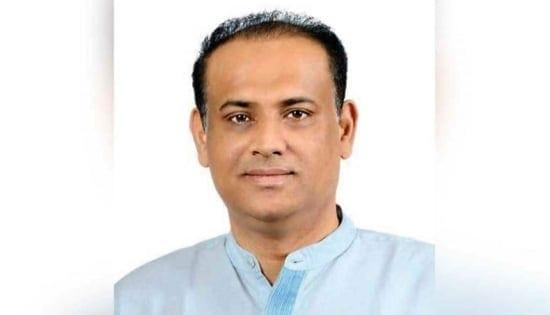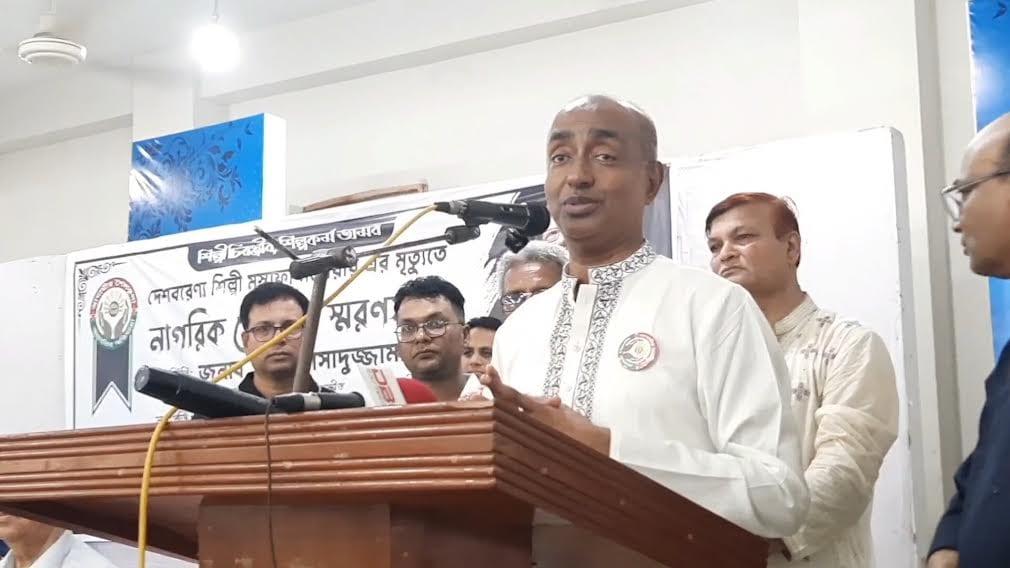
In a significant development, Bangladesh's Law, Justice, and Parliamentary Affairs Minister, Md Asaduzzaman, expressed his hope that Sheikh Hasina, the former Prime Minister, will return to the country in December and face justice for her alleged involvement in genocide. Asaduzzaman made these remarks while addressing a gathering at a views-exchange meeting in Jhenaidah.
Minister's Remarks at Jhenaidah Event
The minister's comments came during the 'Future Shailkupa' views-exchange meeting and a memorial meeting for the late artist Mustafa Monowar in Jhenaidah. He emphasized the importance of Sheikh Hasina following the legal path and taking responsibility for her alleged actions, including killings, enforced disappearances, and genocide.
Asaduzzaman stated, 'We cannot say that she did not kill the people of Bangladesh, we cannot say that she was not involved in killings, enforced disappearances, and genocide. If she wants to face those truths, then she should certainly come.' The event was attended by several local officials, including the Deputy Commissioner, Superintendent of Police, Upazila Nirbahi Officer, and the Upazila BNP General Secretary.
Broader Context and Implications
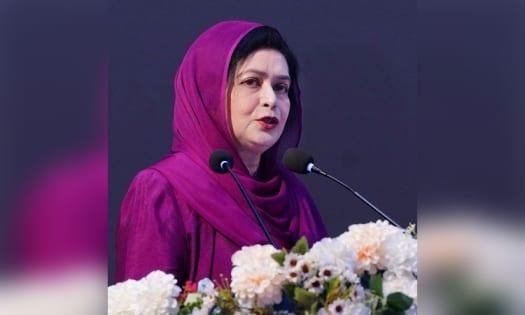
This call for accountability comes amidst ongoing political tensions in Bangladesh. Sheikh Hasina, currently in the United Kingdom, has announced her intention to return to Bangladesh in December. Asaduzzaman's remarks reflect the government's stance on holding those accused of past atrocities accountable under the law.
The minister's comments also highlight the broader issue of justice and accountability in Bangladesh. There have been longstanding calls for justice for victims of past political violence, and Asaduzzaman's statements underscore the government's commitment to addressing these historical grievances.
Sheikh Hasina's potential return could have significant political implications, potentially reshaping the political landscape in Bangladesh. The government's stance on holding leaders accountable for past actions remains a critical issue in the country.
The government's push for accountability reflects a broader trend in Bangladesh towards addressing historical injustices and ensuring that those responsible for past atrocities are held accountable. This development underscores the importance of the rule of law and justice in the nation's political discourse.