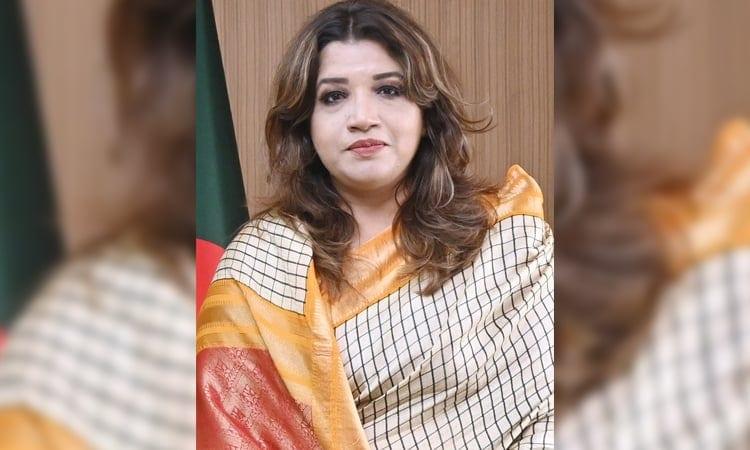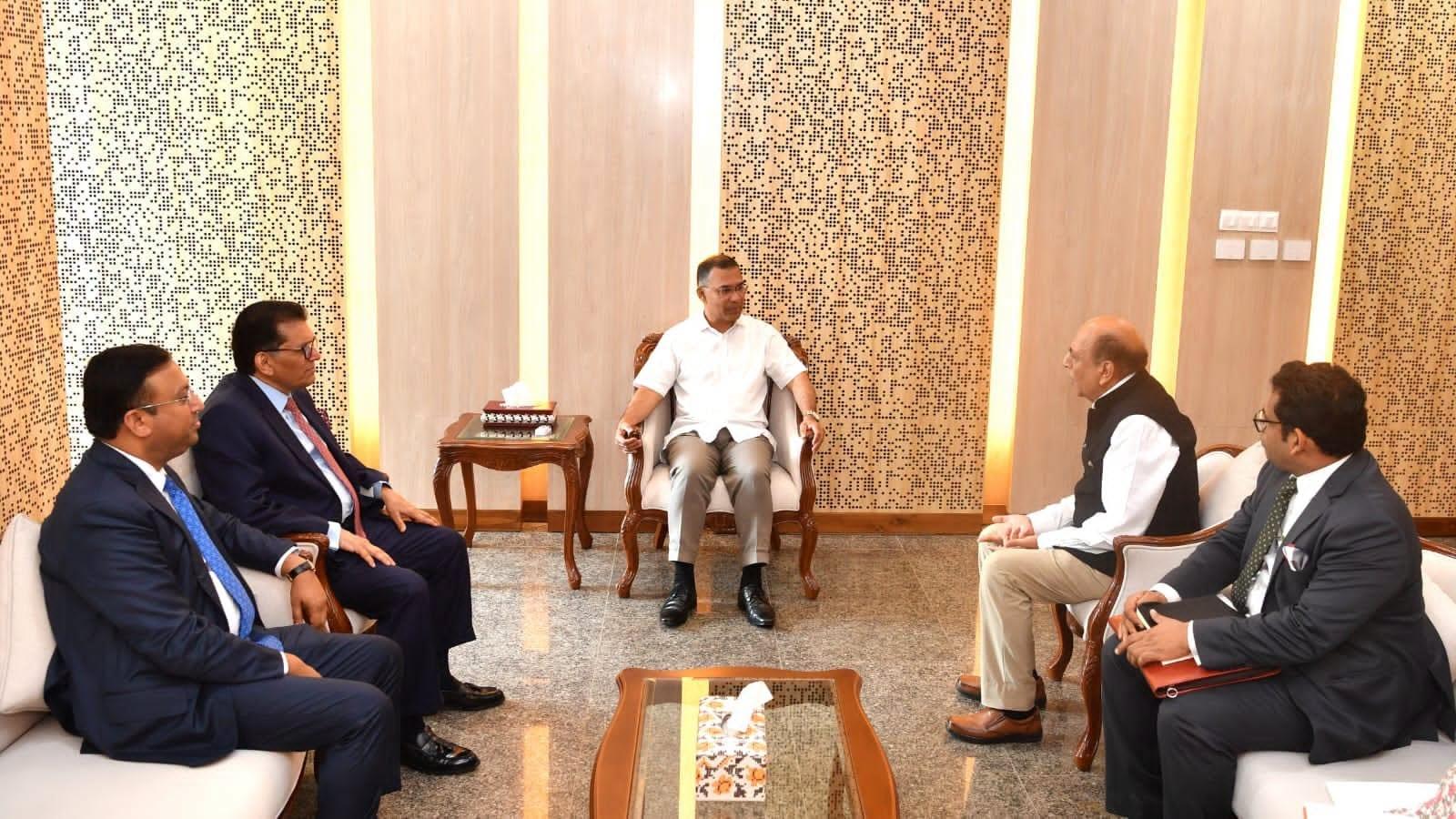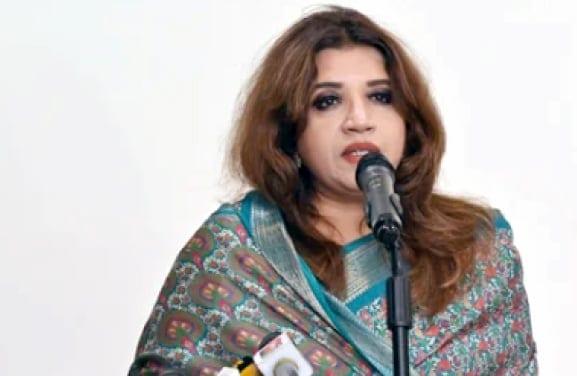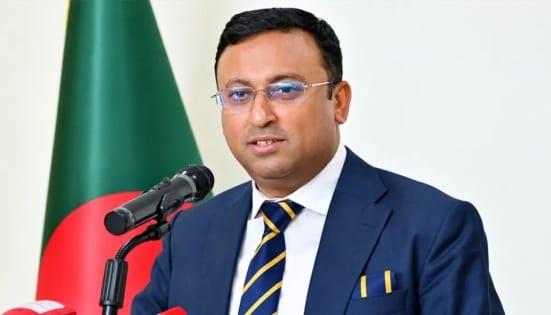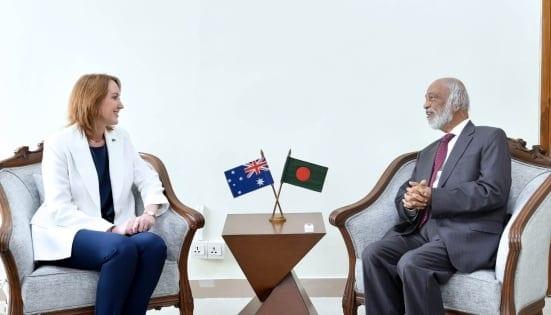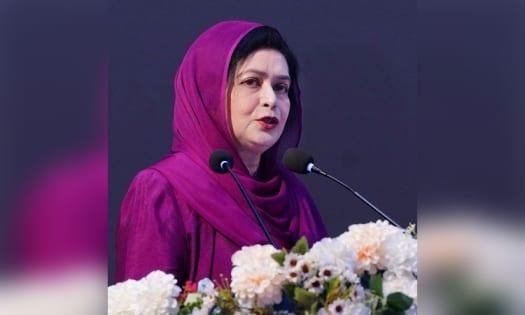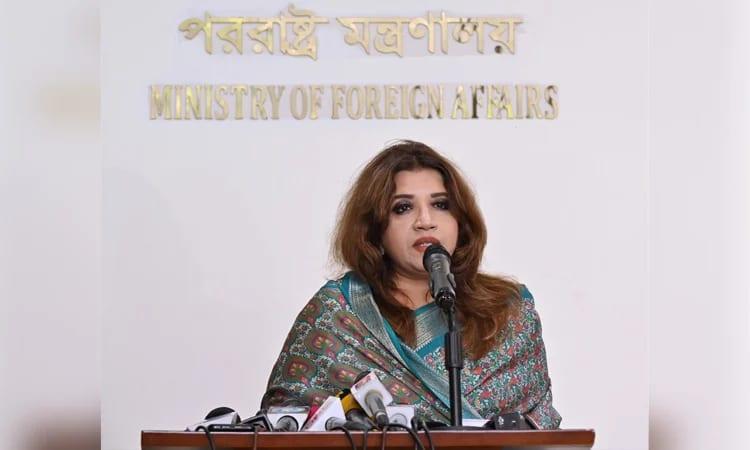
State Minister for Foreign Affairs Shama Obaed Islam has urged India to clarify its stance on the activities of convicted former prime minister Sheikh Hasina and other Awami League leaders operating from Indian soil. Islam expressed concerns that if India does not address these activities, it could strain bilateral relations. Bangladesh has conveyed its concerns to New Delhi through official diplomatic channels and seeks a clear position from India on the matter. Despite the concerns, Bangladesh remains committed to maintaining constructive relations with India and continuing dialogue on issues of mutual interest. The state minister criticized the Awami League's record on democracy and human rights, noting the party's history of enforced disappearances and killings. She emphasized that Bangladesh's elected government enjoys public support and rejected allegations of militancy. Islam also stressed the importance of resolving bilateral issues such as water, energy, and border management through continued dialogue and cooperation. Regarding Bangladesh's interest in engaging with BRICS, Islam said any decision on Prime Minister Tarique Rahman's participation in future summits would depend on his schedule. Bangladesh is currently chairing BIMSTEC and is interested in participating in BRICS. Whether the Prime Minister will attend future BRICS summits will be determined based on his schedule. The state minister reiterated Bangladesh's commitment to maintaining good relations with India, based on equality, mutual respect, and dignity. She urged India to be sensitive to the sentiments of the people of Bangladesh while taking future decisions. Islam alleged that the Awami League, whose political activities are currently banned in Bangladesh, was attempting to revive an old narrative linking Bangladesh to militancy to attract international attention. She questioned whether India would allow such activities on its soil. The state minister rejected allegations of militancy in Bangladesh, stating that the country has an elected government enjoying public support and such claims lack credibility both at home and abroad. She criticized the Awami League's record on democracy and human rights, saying allegations of democracy and human rights coming from the party were 'ridiculous' in view of accusations of enforced disappearances and killings during its rule. The state minister said the people of Bangladesh remained united against any return of what she termed fascism. Despite the current concerns, she reiterated Bangladesh's interest in strengthening ties with India, noting that the two neighbors shared a wide range of bilateral issues, including water, energy and border management, which required continued dialogue and cooperation. 'A country has many aspects to its relationship with another country. We need to have a lot of dialogue with them. We have cooperation on energy, we have a major issue with them over water, and there are issues on the border - these have to be resolved through discussions,' she added.
Background and Context
Sheikh Hasina, the former prime minister of Bangladesh, has been a controversial figure. She was convicted and is currently residing in India. The Awami League, her political party, has been banned in Bangladesh. The party has faced allegations of human rights abuses and enforced disappearances during its rule. The current government in Bangladesh has expressed concerns about the activities of Hasina and other Awami League leaders from Indian territory, fearing it could impact bilateral relations. Bangladesh and India share a complex relationship, with issues ranging from water sharing, energy cooperation, and border management requiring ongoing dialogue and cooperation. The state minister's comments come amid ongoing efforts to maintain good relations between the two countries, despite the concerns raised.