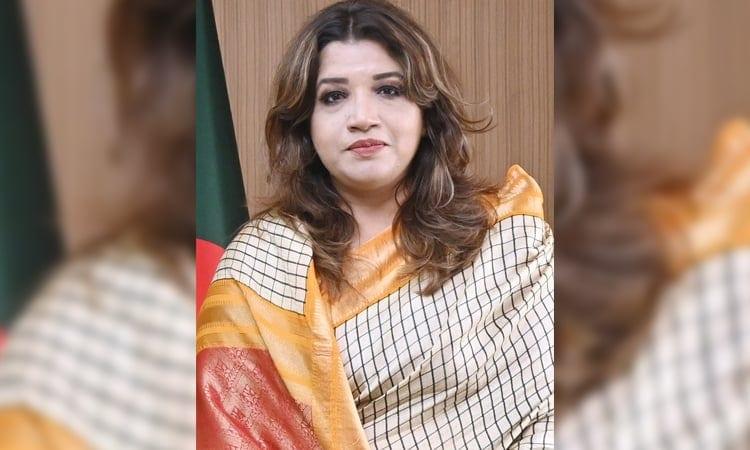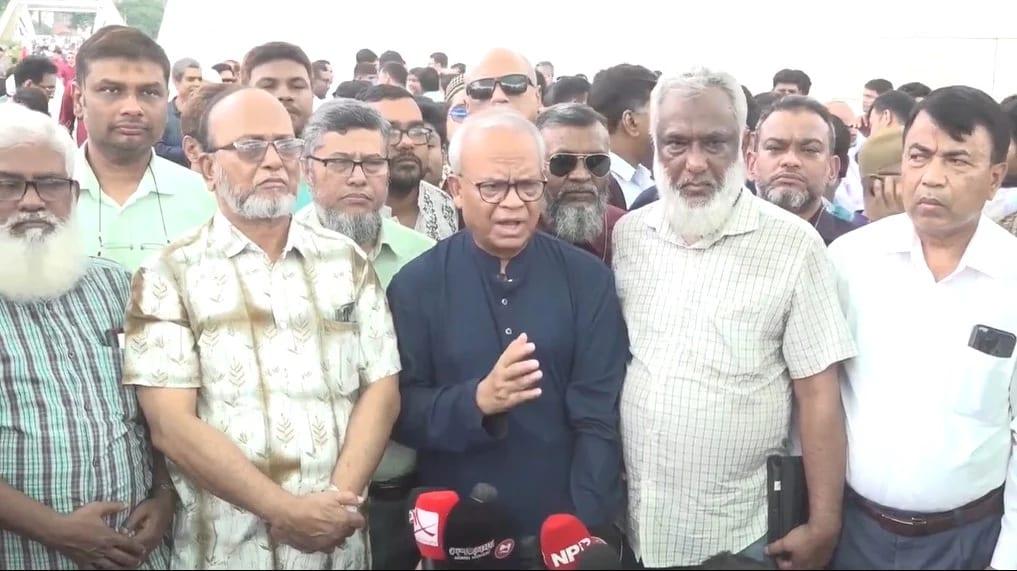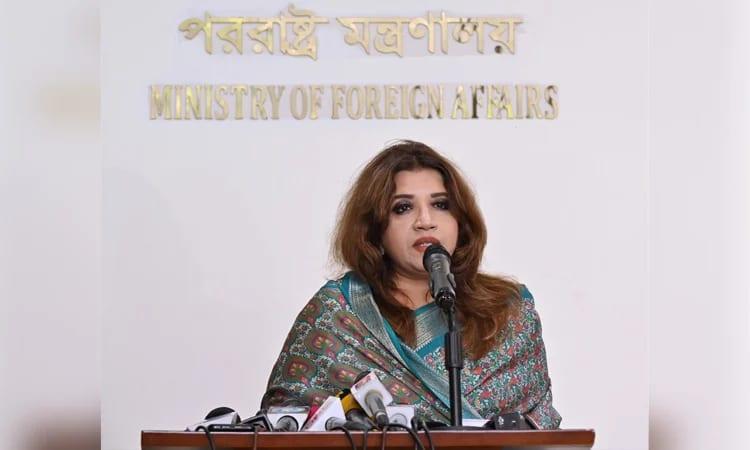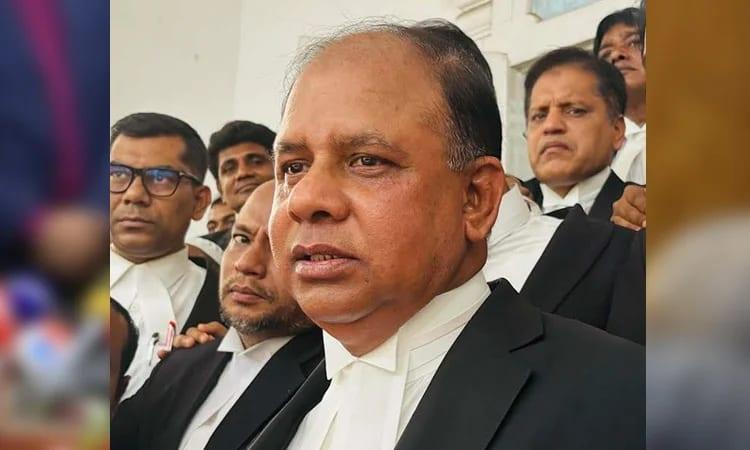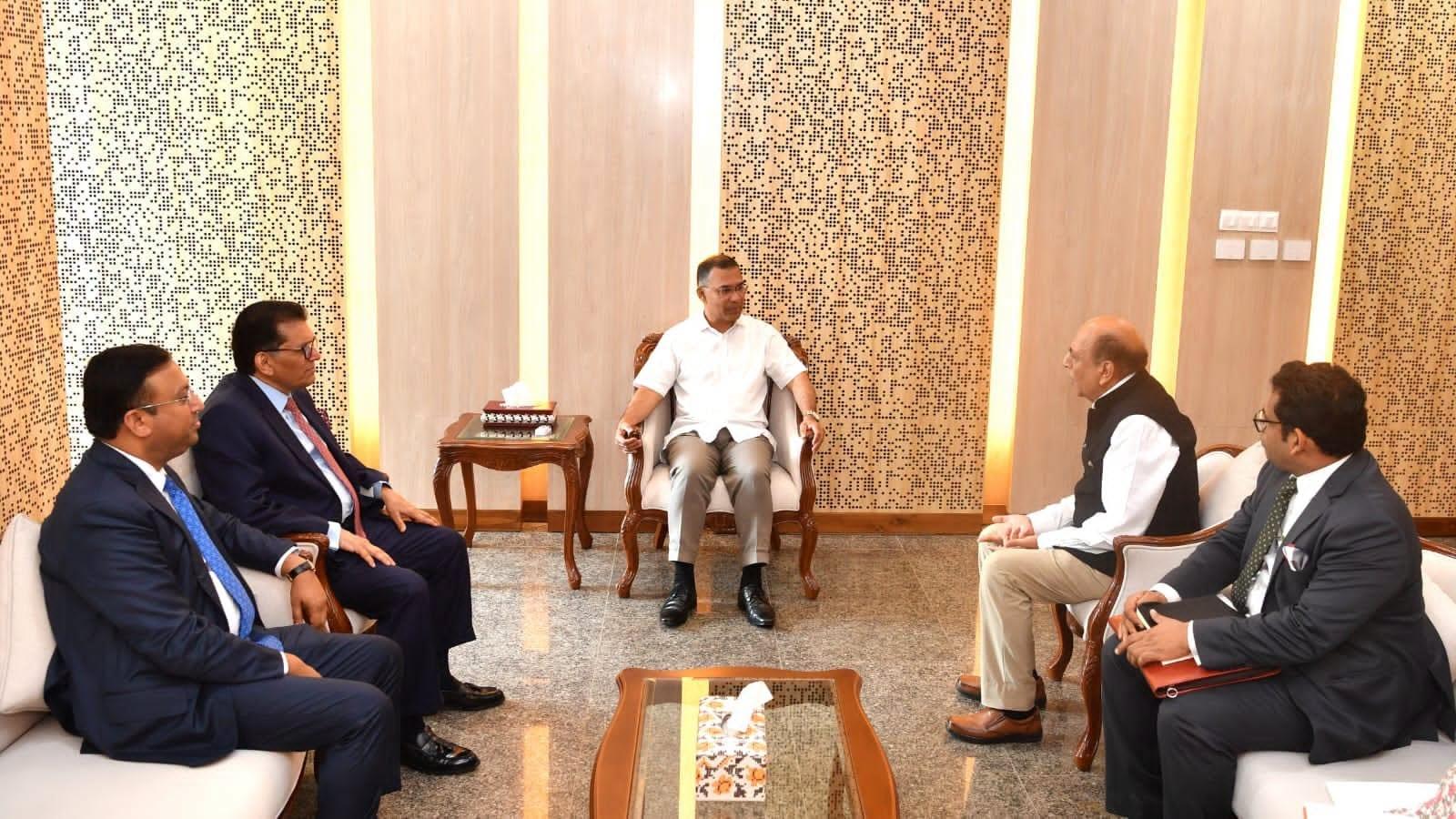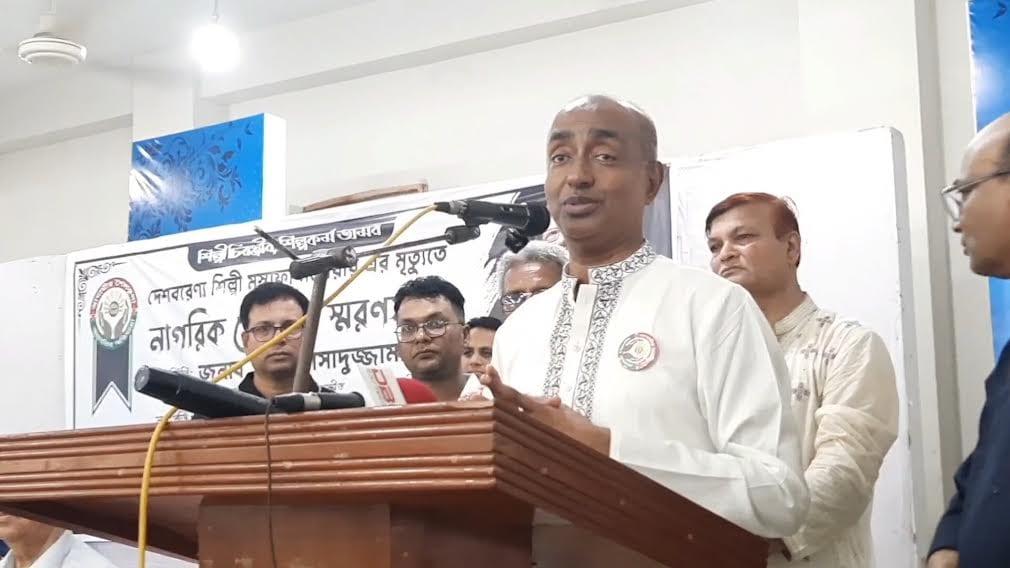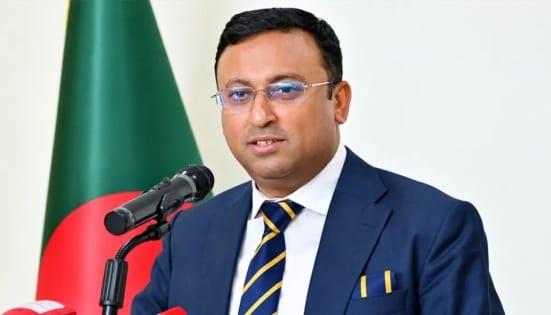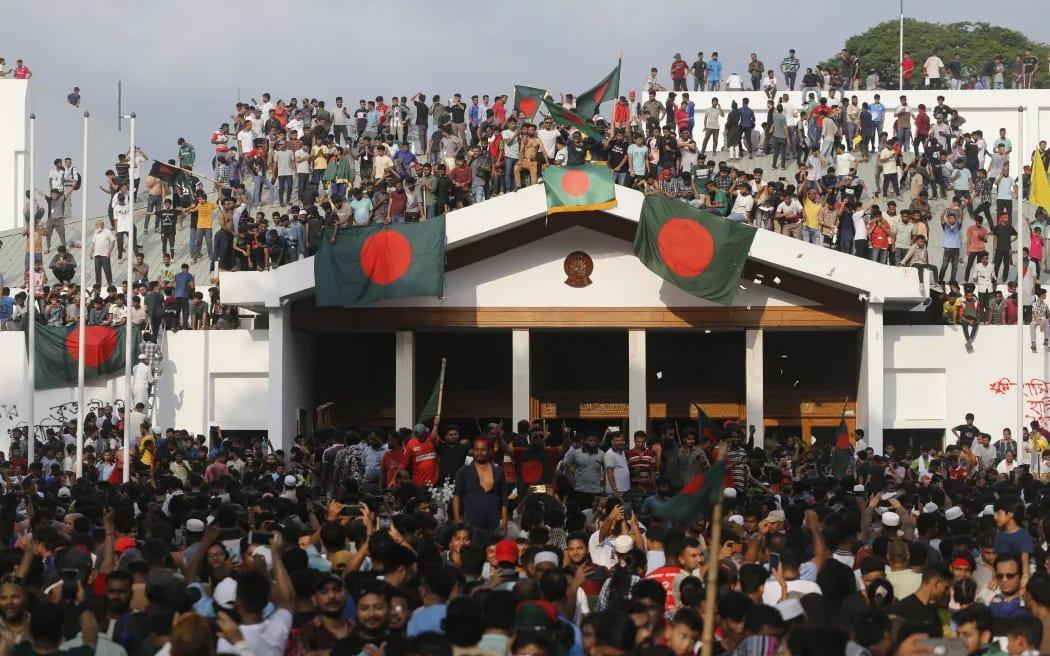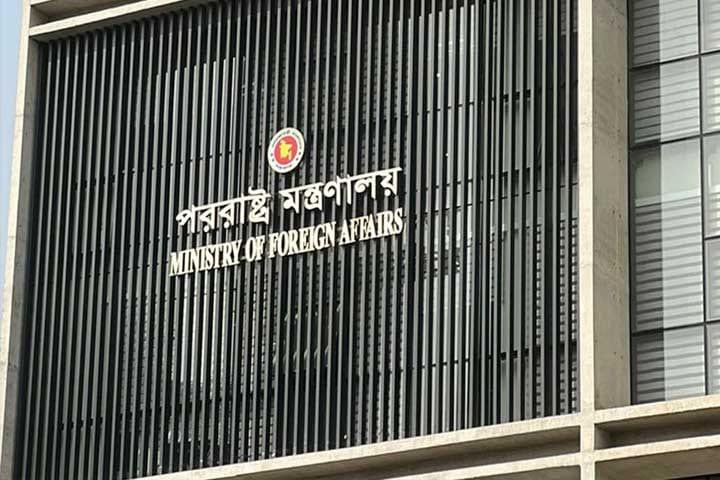
Bangladesh has expressed deep outrage over Sheikh Hasina's media interaction in New Delhi, calling it a severe affront to national sovereignty and a threat to bilateral relations with India. Dhaka stated that the live interaction on the second anniversary of the July Revolution was particularly offensive, as it allowed Hasina to spew 'venomous vitriol' against the Bangladeshi state. The Ministry of Foreign Affairs expressed regret over India's decision to permit the event despite Bangladesh's prior concerns.
What was the primary reason for Bangladesh's outrage?
Bangladesh was outraged because Sheikh Hasina, a convicted fugitive, was allowed to interact with the media in New Delhi. This event was perceived as a direct insult to the nation's sovereignty and the martyrs of the July Revolution.
How did Bangladesh communicate its concerns to India?
Dhaka conveyed its concerns to the Indian government in advance, highlighting the potential damage the media event could cause to bilateral relations. Despite these warnings, India allowed the event to proceed.
What specific issues did Hasina's comments raise?
Hasina's comments included denial of facts established by the United Nations, such as the killing of civilians during the 2024 events. This was seen as an attempt to rewrite history, which the people of Bangladesh have consistently rejected.
What future implications does this event have for Bangladesh-India relations?
The incident is expected to hinder efforts to reset and develop a constructive relationship between Bangladesh and India. Bangladesh reiterated its commitment to maintaining a relationship based on mutual respect and non-interference but expressed regret over India's continued failure to address the extradition requests.