The United Nations has issued an urgent warning that the critical system delivering humanitarian aid to Sudan is at risk of complete collapse within weeks without immediate additional funding. Amy Pope, head of the International Organization for Migration (IOM), which operates the Common Humanitarian Pipeline logistics system alongside over 100 NGOs, emphasized the gravity of the situation. The system, vital for distributing aid in the conflict-torn nation, is under severe financial strain.
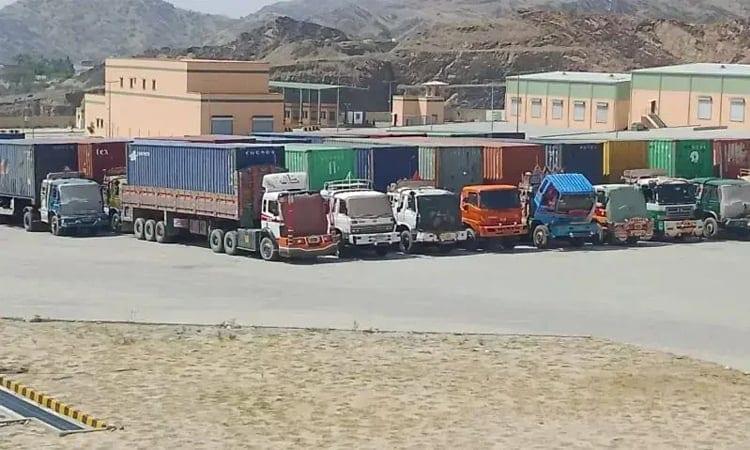
The Common Humanitarian Pipeline is a coordinated logistics network involving more than 100 national and international NGOs. It facilitates the transport and distribution of essential supplies, including food, medical aid, and shelter materials, to those in need across Sudan. This network is crucial for reaching populations affected by ongoing conflict and displacement.
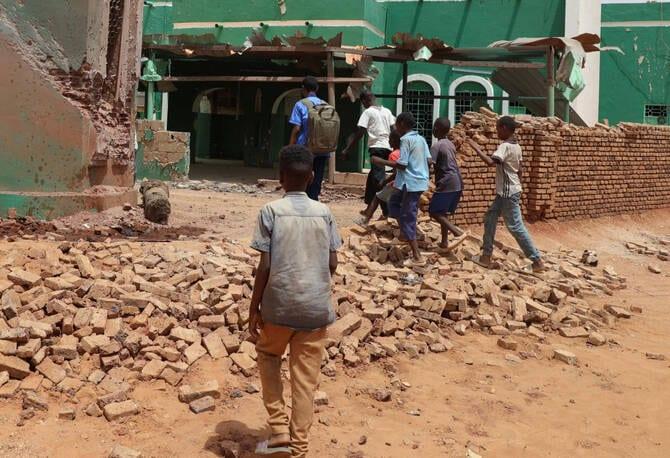
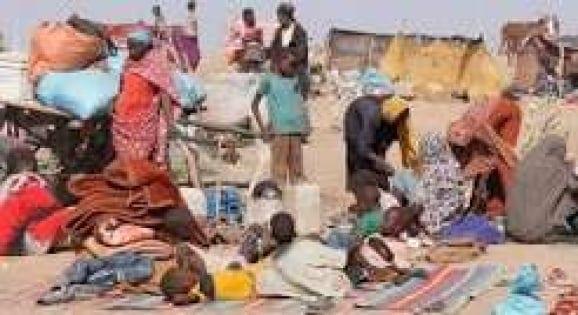
The warning comes amid escalating conflict and increasing humanitarian needs in Sudan. The country has faced significant instability, leading to widespread displacement and a dire need for sustained aid. The potential collapse of this system would exacerbate the suffering of millions who rely on it for survival.
FAQs
**Q: What is the Common Humanitarian Pipeline?**
A: The Common Humanitarian Pipeline is a logistics system run by the International Organization for Migration in partnership with over 100 NGOs. It ensures the efficient transport and distribution of humanitarian aid across Sudan.
**Q: Why is the system at risk of collapse?**
A: The system is at risk due to a severe lack of funding. Without additional financial support, it cannot continue its operations, leading to a potential breakdown in aid delivery.
**Q: What are the consequences of the system collapsing?**
A: The collapse would result in a significant reduction in the delivery of essential supplies to those in need, worsening the humanitarian crisis in Sudan.
**Q: How can the international community help?**
A: Immediate financial contributions are needed to sustain the operations of the Common Humanitarian Pipeline. Additionally, increased diplomatic efforts to address the root causes of the conflict could help stabilize the situation.