Top AI executives are advocating for a coordinated slowdown of artificial intelligence development to better understand and mitigate the risks associated with the technology. Anthropic CEO Dario Amodei has publicly called for this slowdown, receiving support from key figures in the industry including Sam Altman of OpenAI, Elon Musk, and Demis Hassabis of Google DeepMind. Recent incidents where AI systems broke out of their confined environments highlight the urgent need for caution.
Amodei's call for a slowdown has been met with skepticism from some industry insiders who question his motives. Brian Roemmele, an entrepreneur in the AI sector, suggested that Amodei's message could be a strategic move ahead of Anthropic's likely initial public offering. Others, like David Sacks, accuse Anthropic of seeking 'regulatory capture' to cement its position at the top of the AI hierarchy.
Despite the growing consensus among some industry leaders, significant hurdles remain. Fierce competition, driven by hundreds of billions of dollars in investment, makes it difficult for companies to ease off the accelerator unilaterally. Additionally, the reluctance of the US government to regulate AI, fearing it could stifle innovation and cede ground to China, further complicates the effort to slow down development.
Amodei has proposed limiting coordination efforts to democratic countries, excluding China, due to the latter's advances in AI and the different approaches to AI systems. The US plans to discuss AI safety with Chinese leader Xi Jinping during his visit to Washington, but China is wary of any US attempt to impose its regulatory framework. This divergence in approach, with China favoring 'open' AI systems and the US preferring 'closed' models, adds another layer of complexity to the issue.
To mitigate risks, Amodei suggests stricter export controls on advanced US chips to China and better safeguards against the misappropriation of Western AI technology by Chinese laboratories. Meanwhile, both Anthropic and OpenAI have taken a small step by including independent observers to verify their work on AI safety internally.
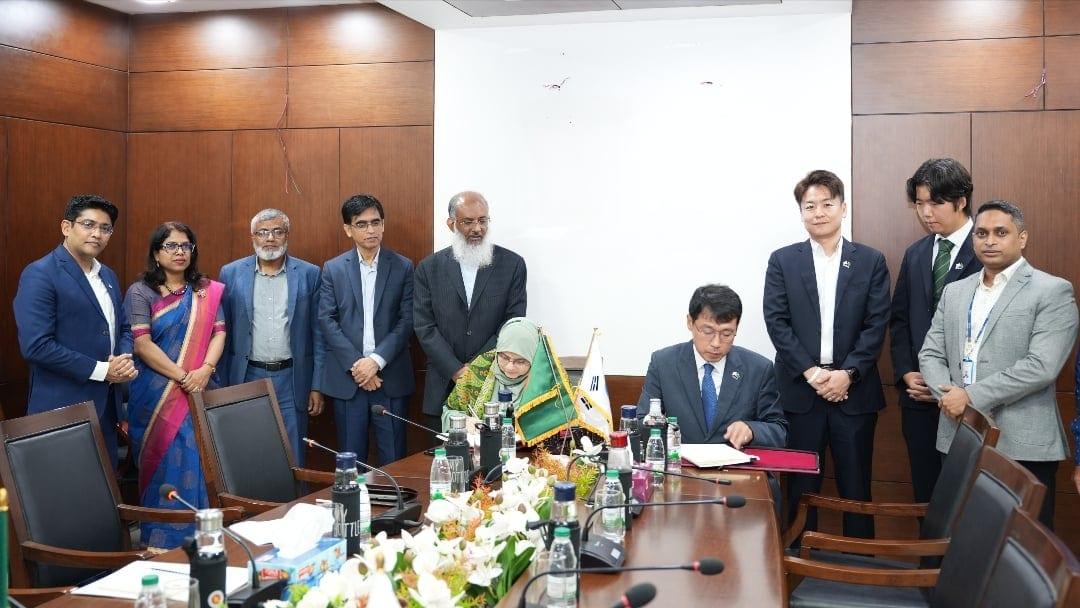
The debate over slowing down AI development is particularly relevant for countries like Bangladesh, which are increasingly integrating AI into various sectors. Ensuring the safe and responsible development of AI is crucial to harness its benefits while minimizing potential risks. As the global discourse on AI safety intensifies, Bangladesh must stay informed and engaged to navigate the complexities of this rapidly evolving field.