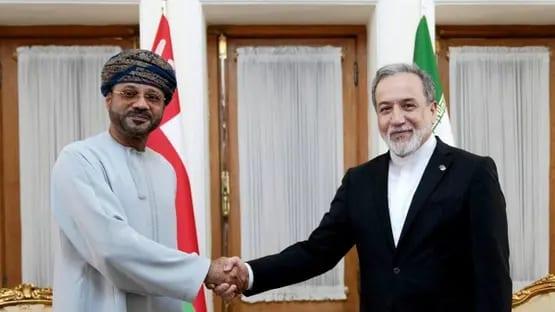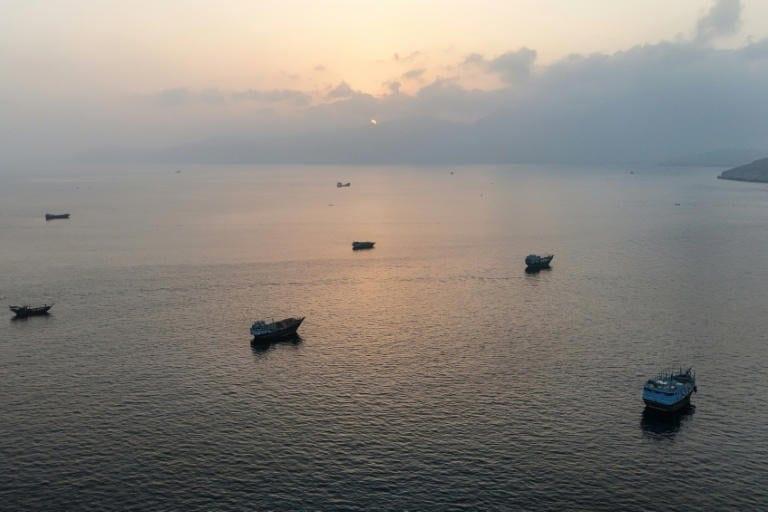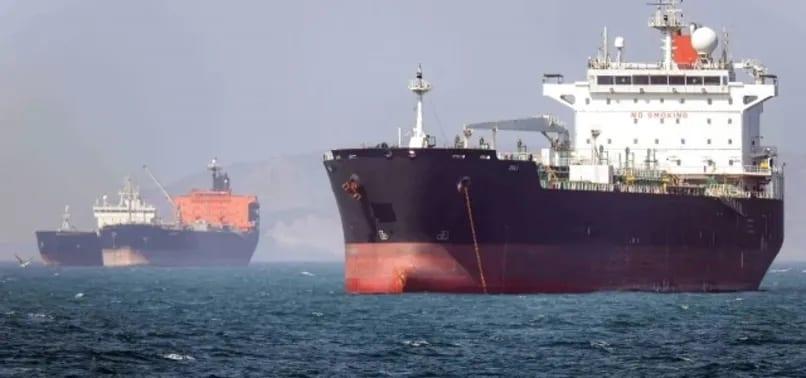
Oman has announced the postponement of a meeting between Iran and Gulf countries on the Strait of Hormuz, a major flashpoint in the Middle East war. The meeting, originally scheduled for Monday in Salalah, aimed to negotiate the future of the strait, vital for global oil and gas flows. The Oman News Agency cited the need to create conditions conducive to constructive dialogue as the reason for the delay.
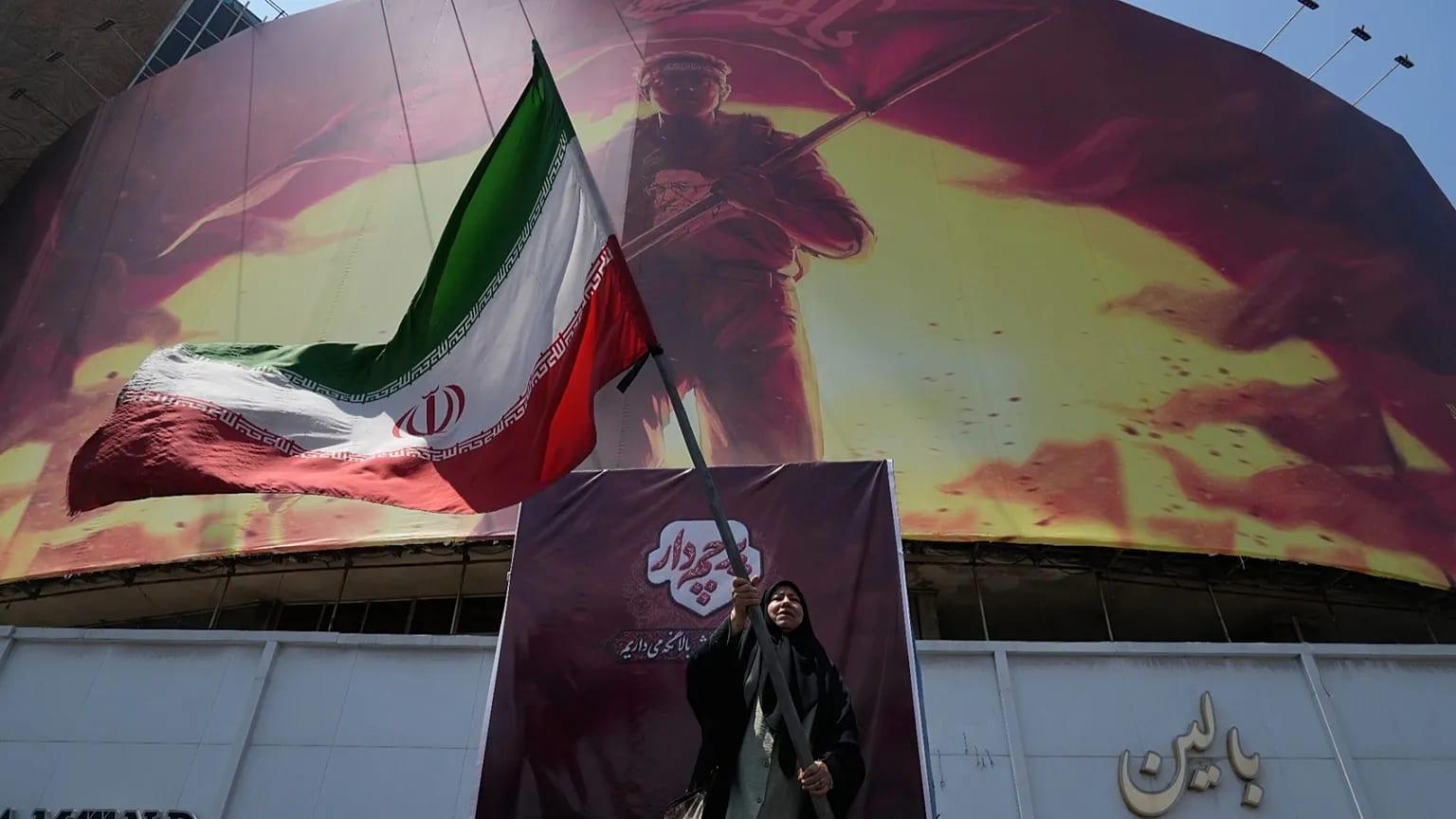
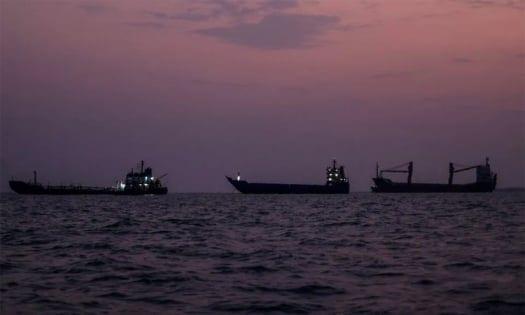
Iran's foreign ministry had confirmed the meeting, stating that Iraq and unspecified Gulf countries would participate. However, no regional country had officially confirmed attendance, and Bahrain explicitly ruled out participating. The Strait of Hormuz has been under blockade by both Iran and the US since February 28, following US and Israeli strikes on Iran, which triggered a wider regional war.
Omani Foreign Minister Badr Albusaidi expressed continued commitment to promoting dialogue for regional stability and cooperation. The June accord between Washington and Tehran collapsed over disagreements on Hormuz, and recent Houthi rebel offensives have complicated the situation further by giving Tehran-allied groups leverage over another critical waterway, the Bab al-Mandab.
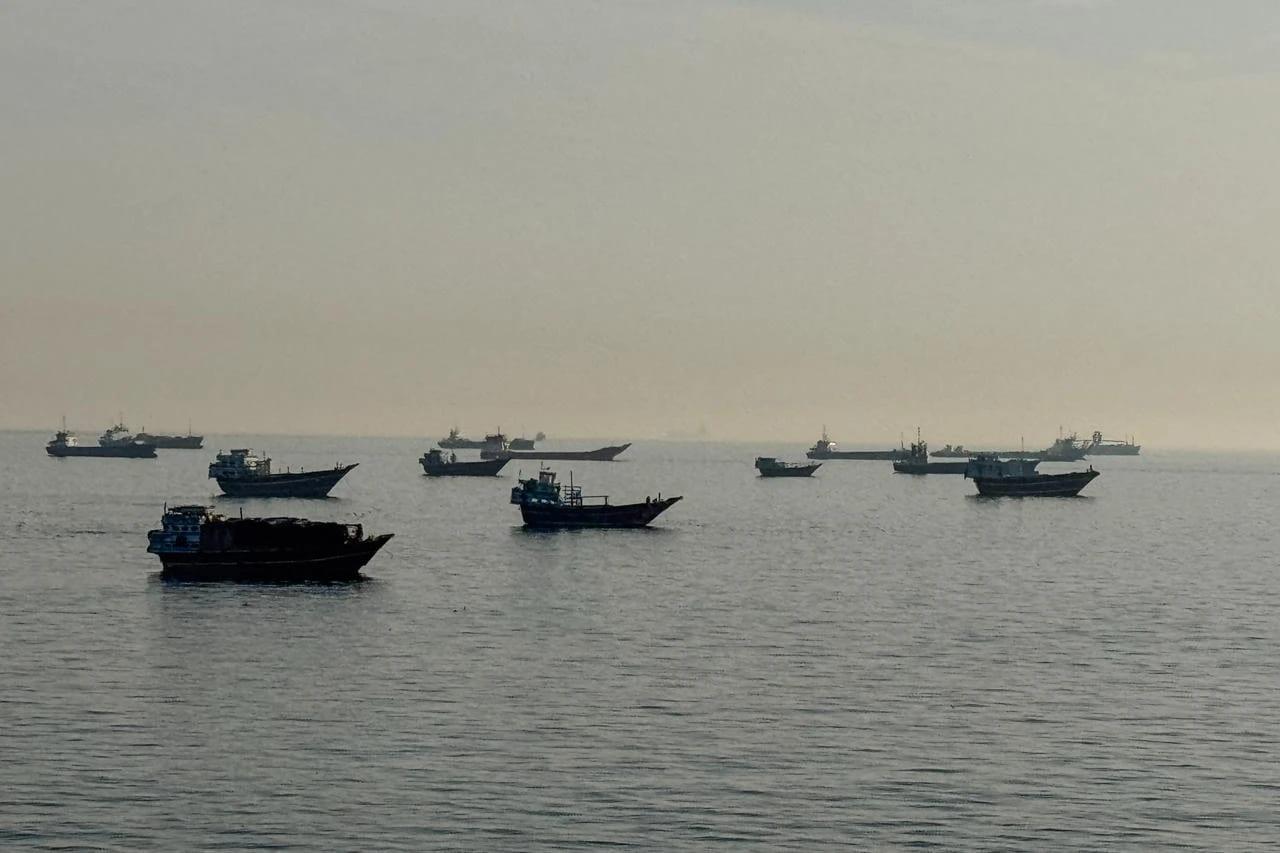
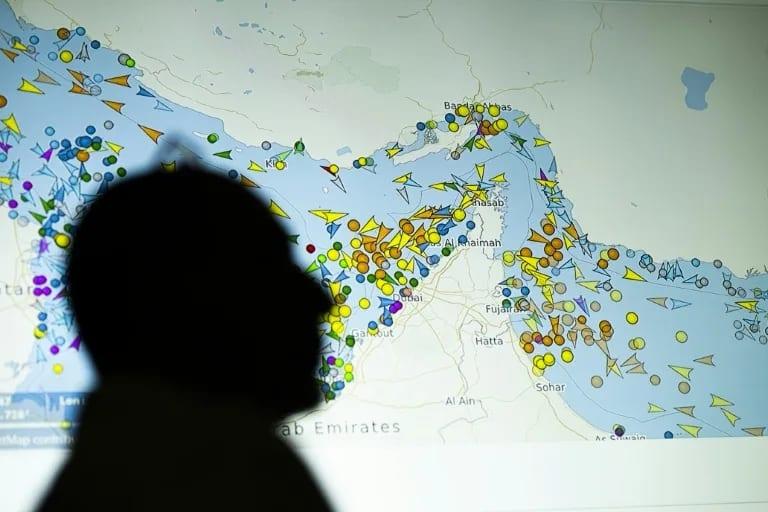
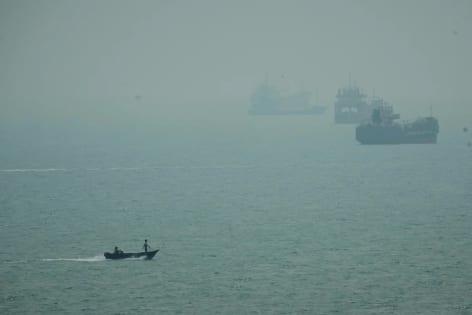
The ongoing blockade of the Strait of Hormuz has driven oil prices above $100 a barrel this week, exacerbating global economic pressures. Before the war, the strait was freely navigable, but Iran now requires vessels to obtain permission and is considering imposing service fees. Non-compliant ships are regularly targeted by Iranian strikes, while the US periodically bombs the Iranian coastline to challenge Tehran's control.
The postponement of these talks highlights the complexities and sensitivities involved in negotiating the future of such a critical waterway. The Strait of Hormuz is a vital artery for global oil and gas transport, and its stability is crucial for international markets. The continued blockade and escalating tensions in the region underscore the urgent need for diplomatic solutions.
For Bangladesh, the stability of global oil prices is particularly significant. As an import-dependent country, fluctuations in oil prices directly impact its economy, affecting everything from transportation costs to inflation rates. The ongoing tensions and blockades in the Strait of Hormuz thus have direct implications for Bangladesh's economic stability and growth prospects.