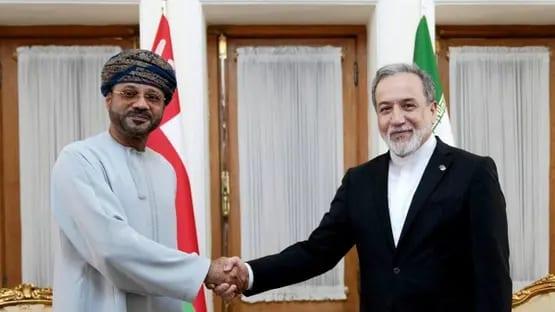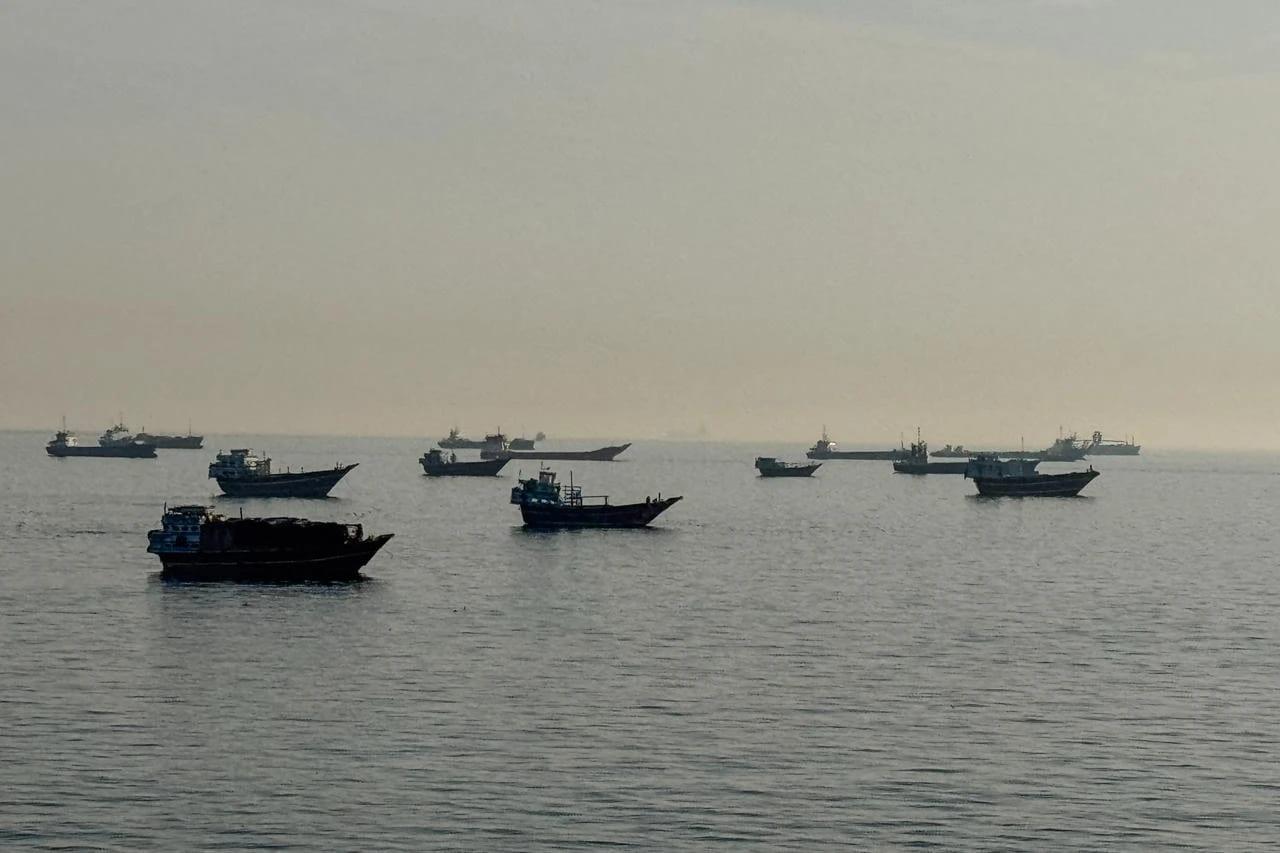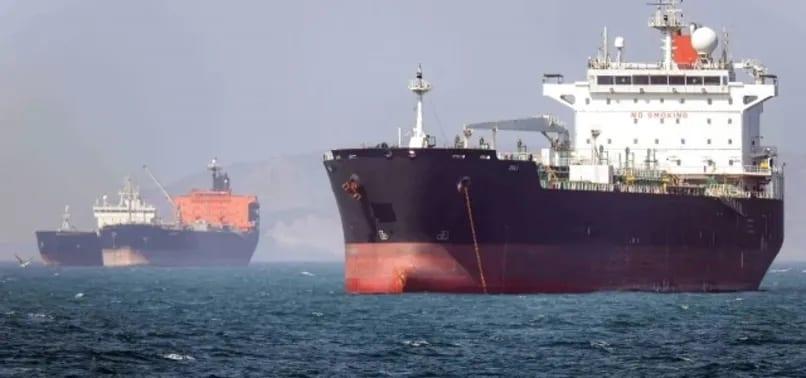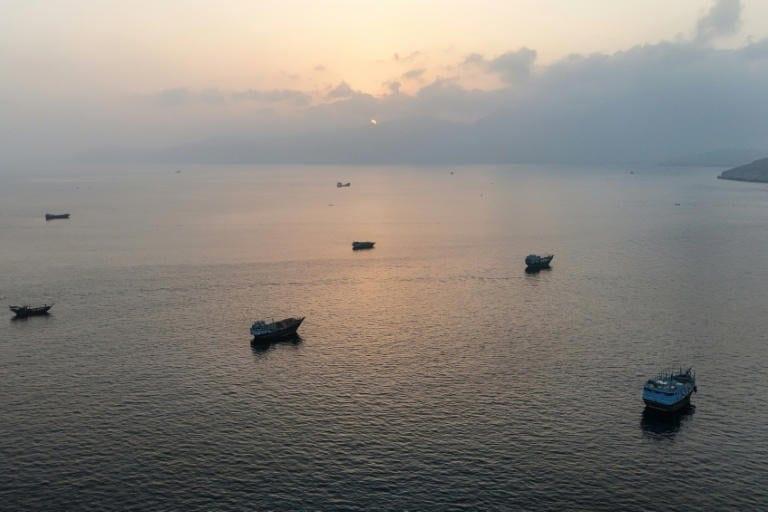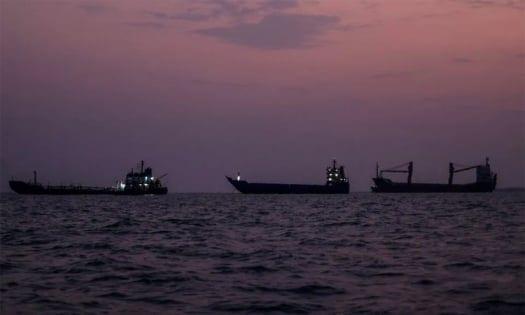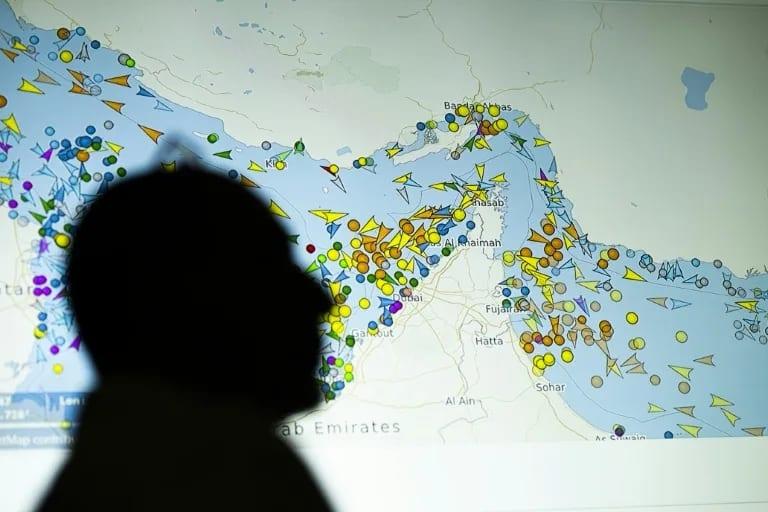
Iran and Oman have agreed on a route for ships transiting the Strait of Hormuz and are finalizing arrangements for jointly managing the strategic waterway, Tehran said Wednesday. However, the reopening of the key energy route hinges on Washington ending its naval blockade of Iran's ports. Iran has controlled the waterway since the US and Israel launched their war against the country on February 28, 2026. Despite recent security incidents, Iran and Oman are close to finalizing their joint management plan.
Iran's foreign ministry spokesman Esmaeil Baqaei told journalists that the geographical coordinates of the route have been agreed upon and the joint statement is in the final review stage. However, he stressed that the US naval blockade and other aggressive actions against Iran still pose significant risks. 'The factors making the Strait of Hormuz insecure still exist on the part of the United States,' Baqaei said.
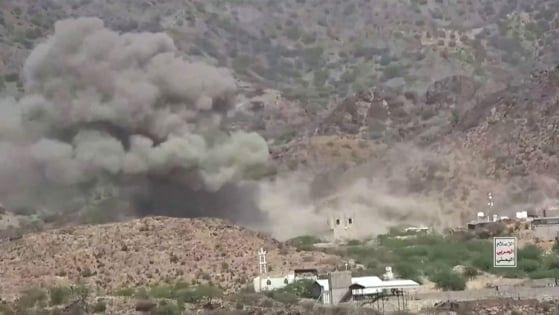
Highlighting the ongoing risks, the captain of an oil tanker reported hearing two explosions while transiting the strait. Separately, Yemen's Houthis claimed to have struck two Saudi oil tankers, continuing their blockade of the kingdom. Before the war, Hormuz carried around a fifth of the world's oil and LNG exports, and prices have surged since the dispute over the waterway began.
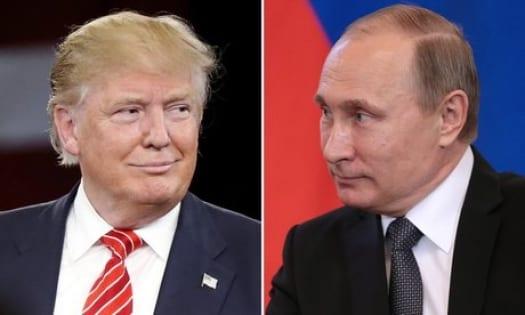
US Vice President JD Vance acknowledged frustrations with the pace of diplomacy with Iran, stating that negotiations would take time due to divisions within Iran's leadership. 'It's going to be messy and it's going to take some time to get there,' Vance said. Iran wants to control the strait and charge tolls, a development the US would oppose.
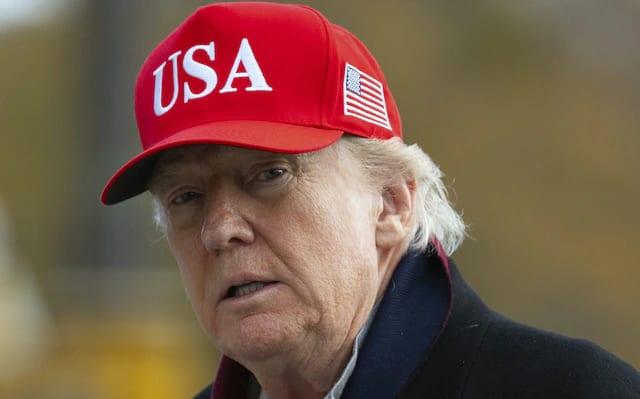
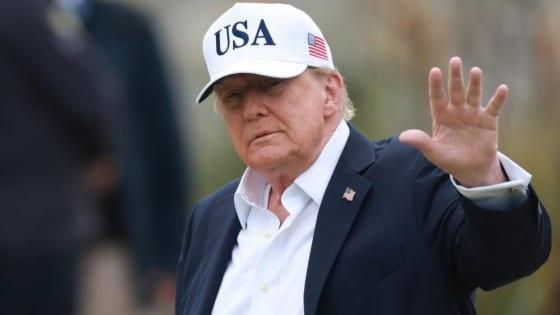
In a pattern seen before, US President Donald Trump threatened to hit Iran 'very hard' but later hinted a deal was near. Iran's foreign ministry denied any negotiations with Washington. The economic and political pressure on Washington continues to mount as the dispute over the Strait of Hormuz persists.