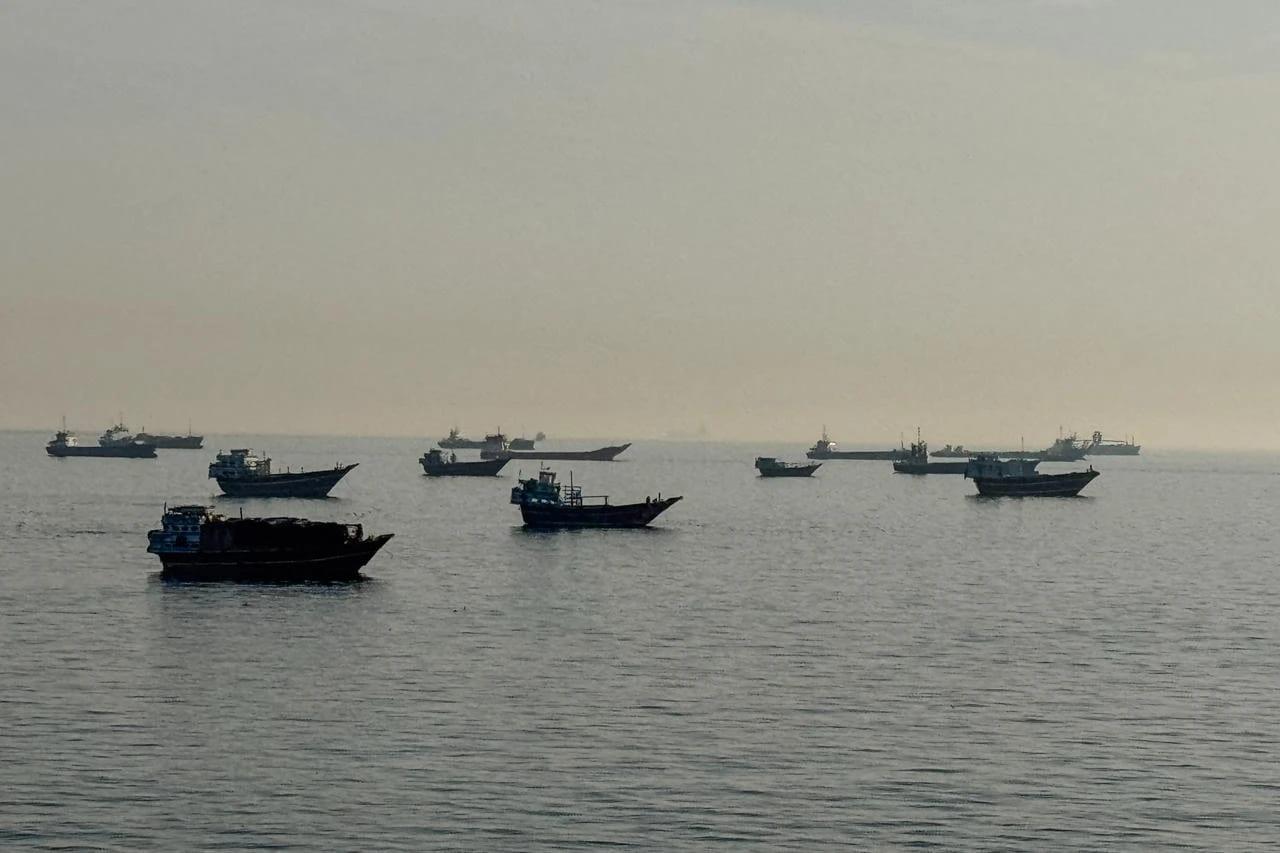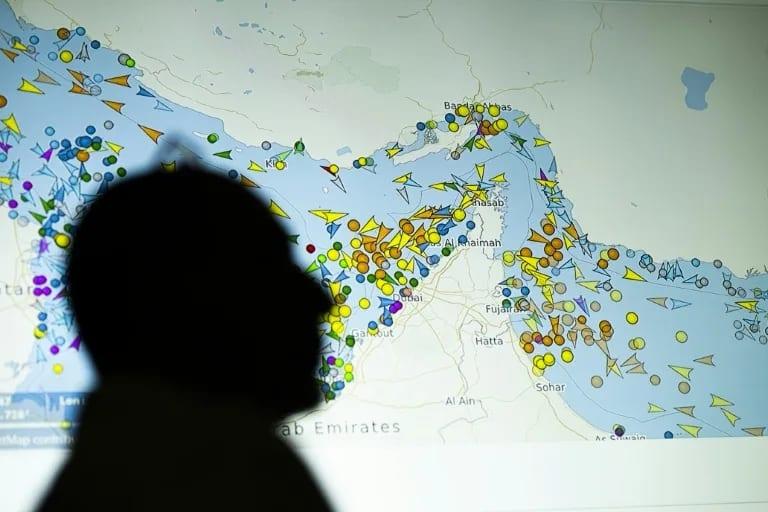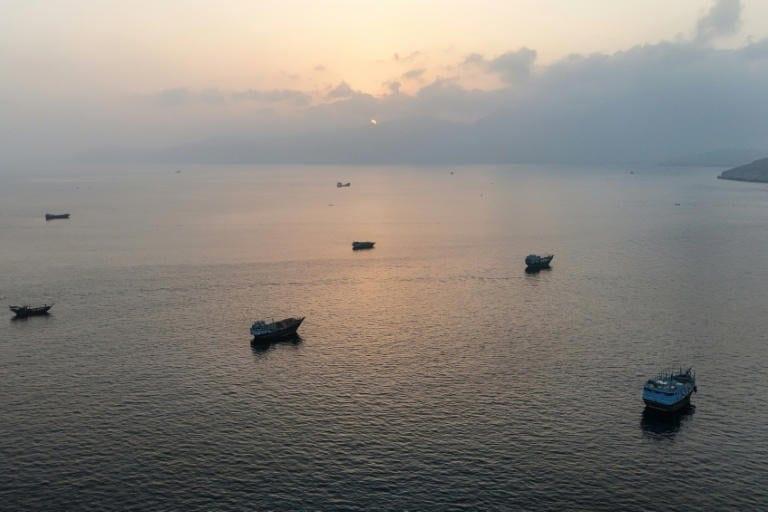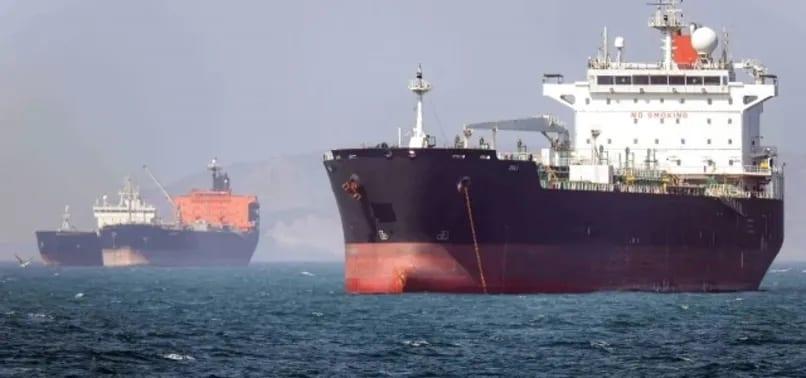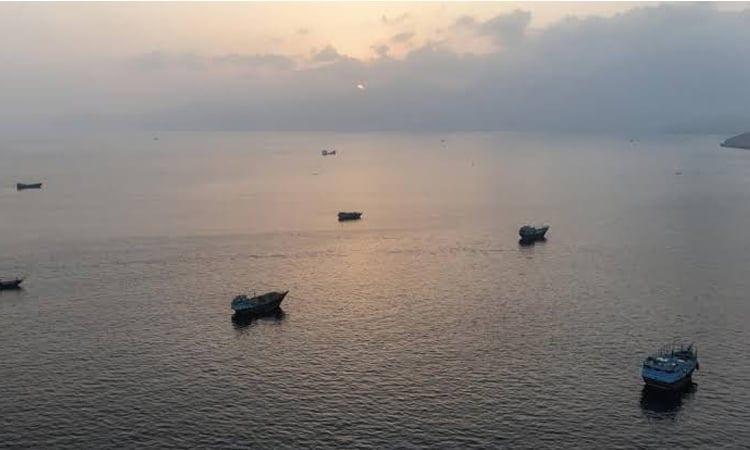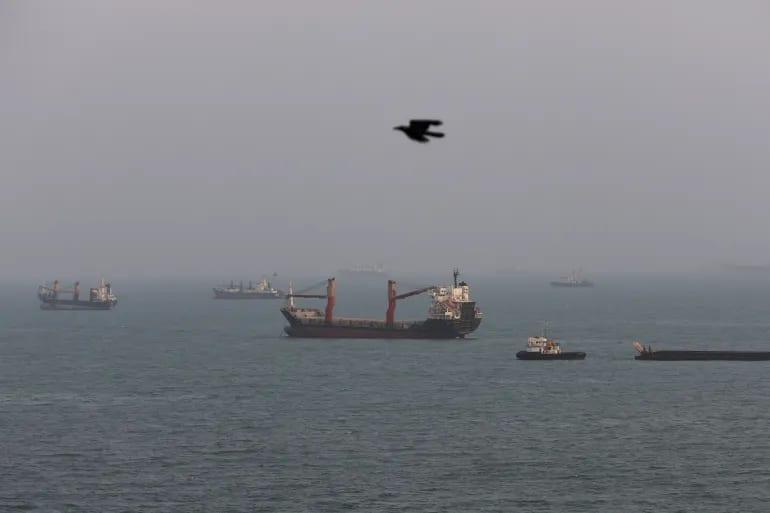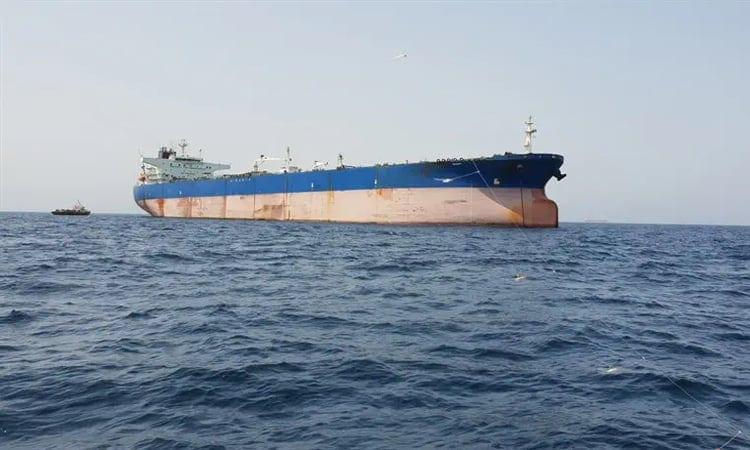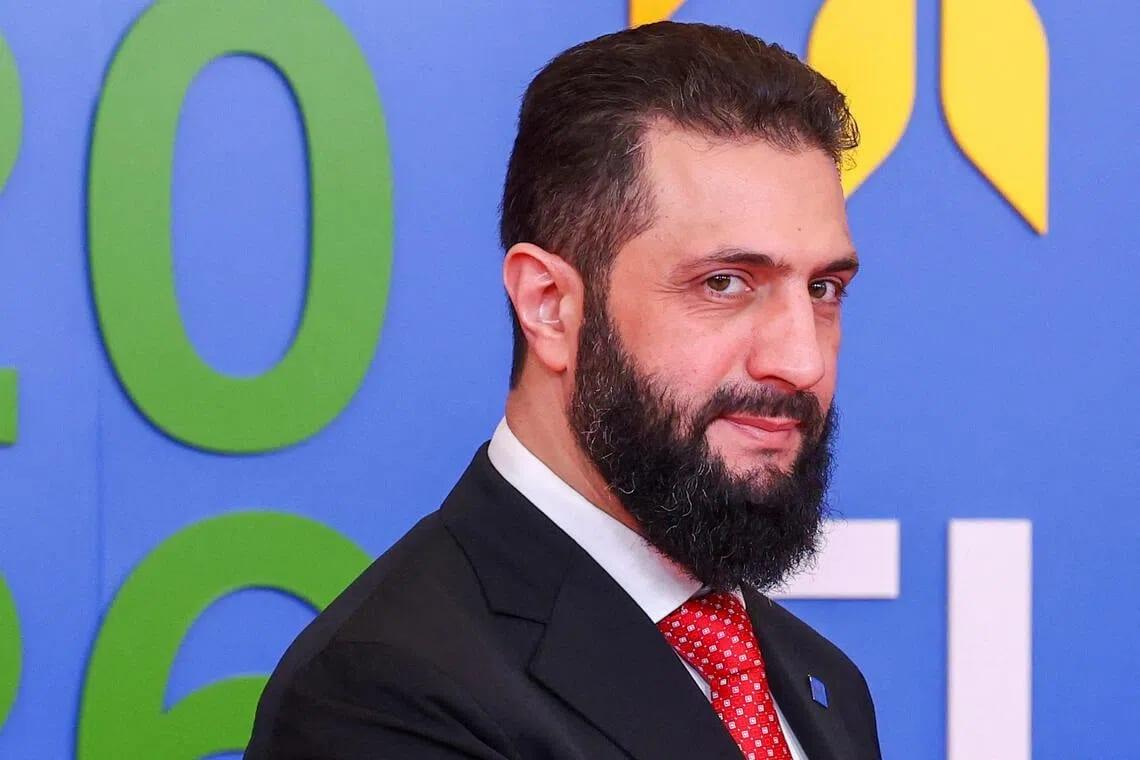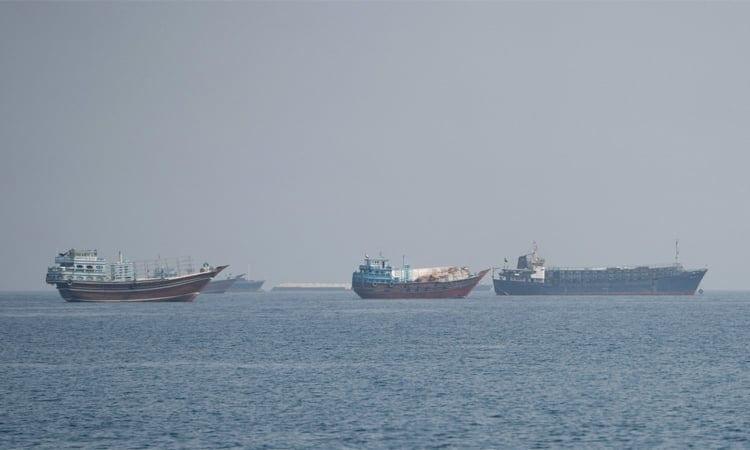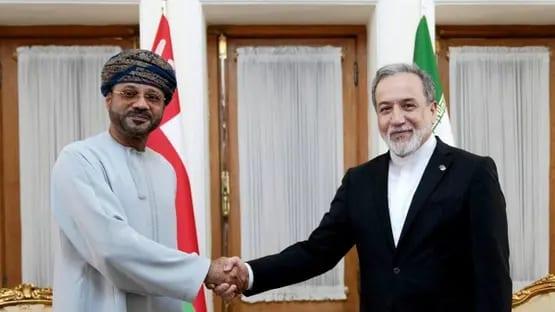
Oman's Foreign Minister Badr al-Busaidi held talks in Tehran with Iran's Foreign Minister Abbas Araghchi on Tuesday, as the two countries seek to regulate transit through the Strait of Hormuz, a critical waterway that has become a flashpoint in the ongoing Middle East war. The Strait of Hormuz, which carries around one fifth of the world's oil and liquefied natural gas exports, has seen its traffic largely paralyzed for six months following the outbreak of war between Iran and the United States and Israel on February 28. Tehran quickly blockaded the strait, prompting a naval counter-blockade by Washington on Iranian ports.
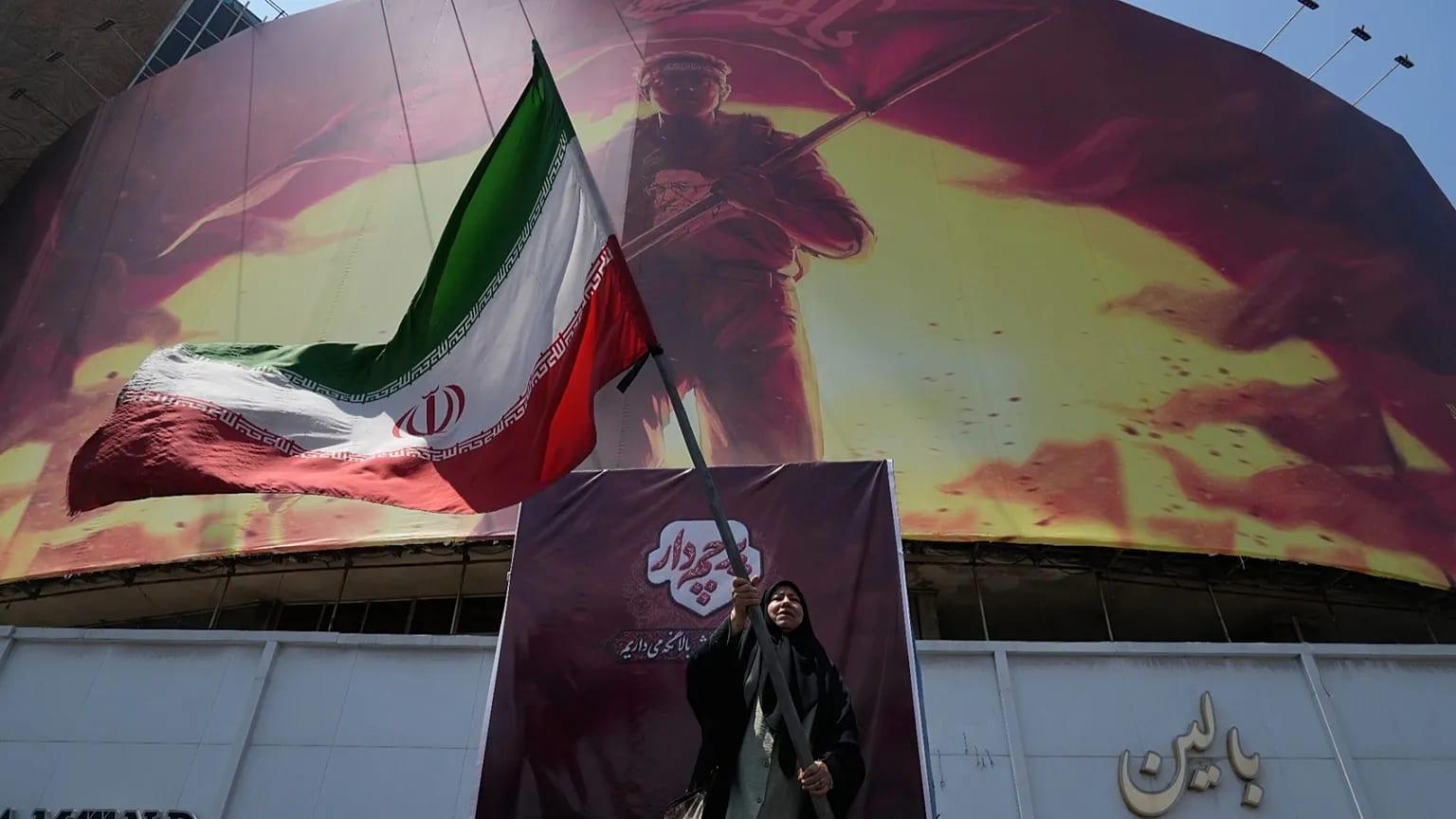
The meeting between the Omani and Iranian foreign ministers comes after weeks of discussions between the two coastal states on the future of navigation through the strait. Iranian officials have stated that the geographical coordinates of a route envisaged by the two countries 'have been agreed upon.' However, Tehran insists that the strait will not fully reopen until the United States meets its demands, including lifting the naval blockade, dropping oil sanctions, and unfreezing assets abroad.
The Strait of Hormuz is a narrow channel that connects the Persian Gulf to the Gulf of Oman and the Arabian Sea. It is a vital conduit for global oil trade, with approximately 20% of the world's petroleum passing through it. The strait's strategic importance has made it a focal point of regional and international tensions, particularly during periods of conflict in the Middle East.
The ongoing war between Iran and the United States and Israel has exacerbated the situation, leading to a significant reduction in maritime traffic through the strait. The blockade by Iran and the counter-blockade by the United States have created a standoff that has left the strait's future uncertain. The discussions between Oman and Iran aim to find a solution that could potentially ease the tensions and allow for the resumption of normal transit through the strait.
For Bangladesh, the situation in the Strait of Hormuz has significant implications. The country relies heavily on imported oil and gas for its energy needs, and any disruption in the flow of these resources through the strait could lead to increased energy prices and supply shortages. Additionally, Bangladesh's growing trade with the Middle East and Europe could be impacted by the reduced maritime traffic through the strait. The outcome of the talks between Oman and Iran will be closely watched by countries like Bangladesh that depend on the smooth flow of goods and resources through this critical waterway.
As the talks continue, the international community remains hopeful that a solution can be found to reopen the Strait of Hormuz and restore normal transit. The involvement of Oman, a neutral party with good relations with both Iran and the United States, could play a crucial role in facilitating a diplomatic resolution to the crisis. The success of these talks will not only impact the regional dynamics but also have far-reaching consequences for global energy markets and trade routes.