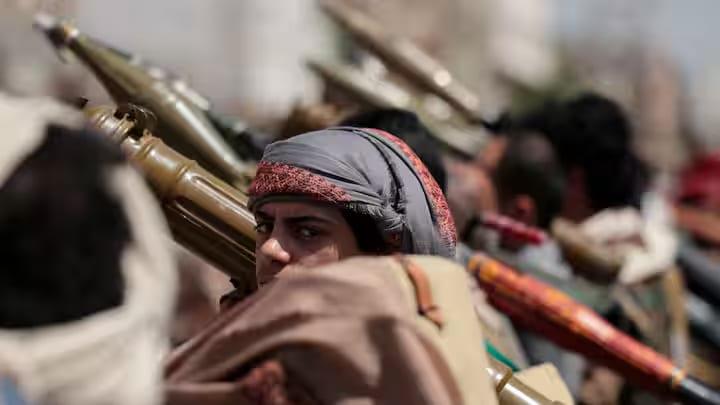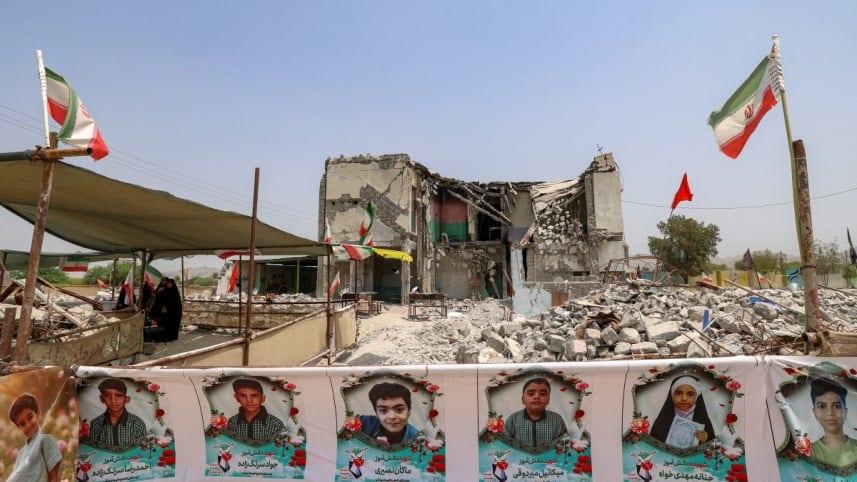
Kuwait, once liberated by US troops from Iraqi invasion, now finds itself in the crosshairs of Iran due to the continued presence of American forces. Six months into the US-Iran war, the Islamic republic and its allies have launched recurrent attacks on Kuwait, targeting civilian infrastructure and bases hosting US troops. The situation has created a delicate balancing act for Kuwait, which recognizes America's historical role but faces ongoing Iranian aggression.
A Historical Alliance Under Strain
Salem Al-Ghanem, a Kuwaiti political analyst, vividly recalls the Iraqi tanks that once threatened his homeland. The US-led coalition's liberation of Kuwait in 1991 forged a strong alliance. However, the current US-Iran conflict has put this relationship under strain. Iran's attacks have killed at least 15 people, including six US troops, four Kuwaiti soldiers, and five foreign residents.
Economic and Strategic Dilemmas
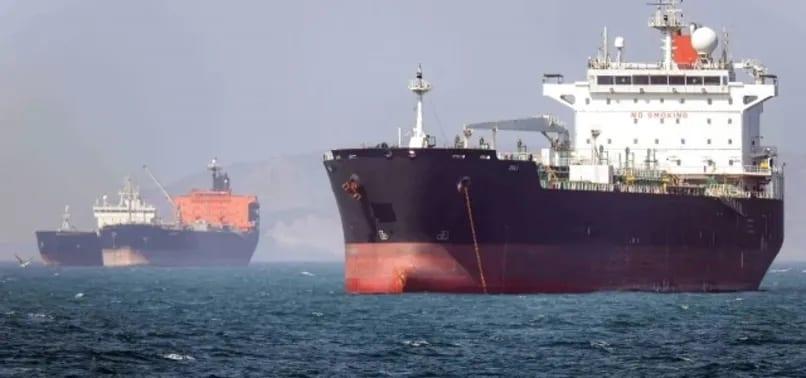
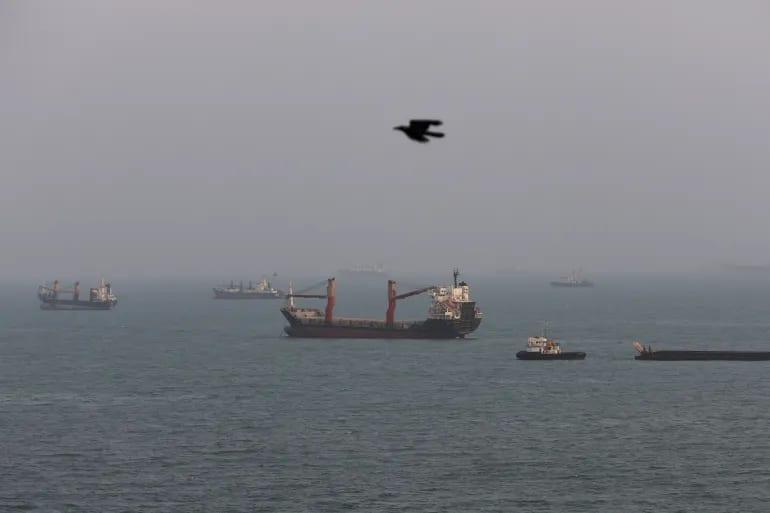
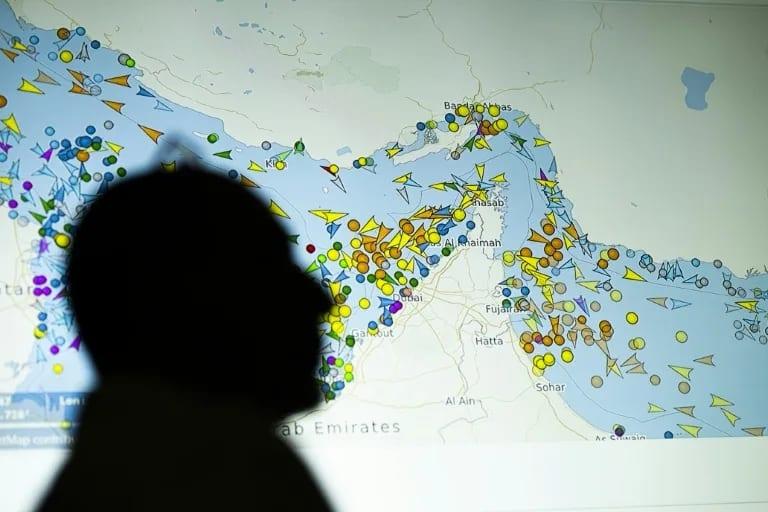
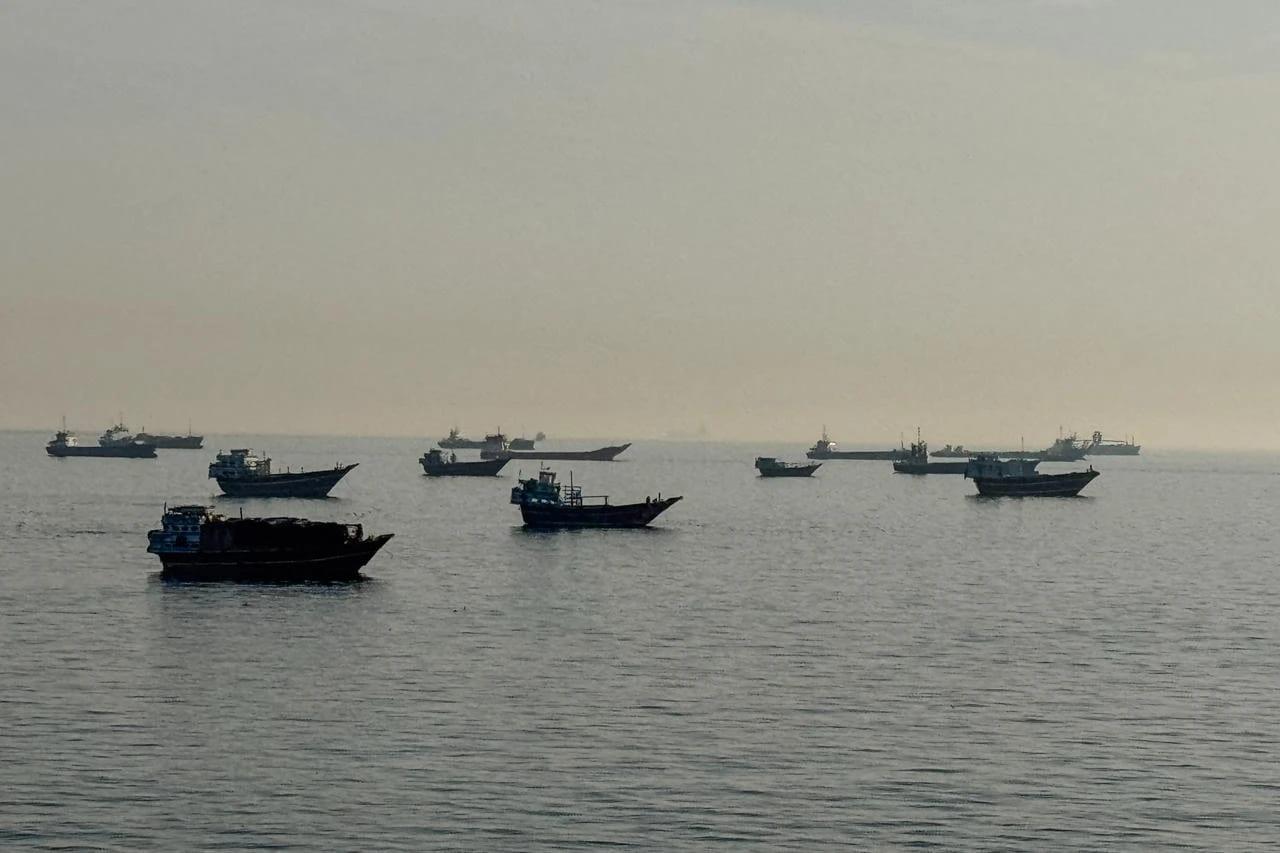
Iran's closure of the Strait of Hormuz has exacerbated Kuwait's economic woes, as the country relies heavily on oil exports. The recurrent attacks on civilian infrastructure, including water desalination plants and energy installations, have further strained Kuwait's resources. Despite these challenges, Kuwait continues to host one of the largest concentrations of American troops in the region, making it a prime target for Iranian aggression.
Public Sentiment and Regional Dynamics
While some Kuwaitis, like Al-Ghanem, stand by the United States, others are more critical. The presence of US forces has sparked debates about the necessity and consequences of foreign troops. Gulf states are strengthening regional alliances, yet Kuwait and others find it difficult to drop the US as Iran grows bolder. The US government maintains that security cooperation with Kuwait remains robust, but for many Kuwaitis, the relationship is now a source of unease.
Why This Matters for Bangladesh
The situation in Kuwait underscores the complex geopolitical dynamics in the Middle East, which can have ripple effects globally. For Bangladesh, a country with its own strategic interests and alliances, understanding these dynamics is crucial. The conflict highlights the challenges of hosting foreign military forces and the potential consequences for regional stability.