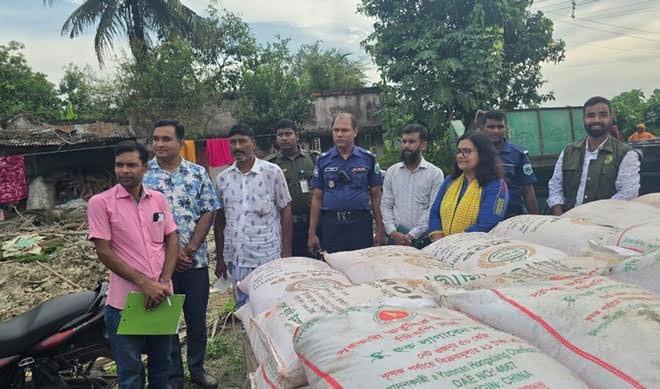
The Trading Corporation of Bangladesh (TCB) has planned to procure commodities worth Tk 8,000 crore during the current fiscal year to stabilise the country's essential commodity market. The main procurement items will be edible oil, lentils, sugar, dates, and chickpeas. Initially, TCB plans to source 50 percent of these products domestically and 50 percent internationally.
Procurement Plan Details
According to the Ministry of Commerce, TCB has prepared a procurement plan for the fiscal year to ensure adequate supply of essential commodities. The plan includes procuring 22 crore liters of edible oil, 2.20 lakh metric tons of red lentils, 1.10 lakh metric tons of sugar, 14,000 metric tons of chickpeas, and 4,400 metric tons of dates through local and international sources. TCB Chairman Brigadier General Mohammad Foyshol Azad noted that if international sourcing proves more competitive and reliable, the corporation may increase its share of overseas procurement.
Operational Measures and Future Strategy
TCB has outlined operational measures to maintain adequate stocks and ensure uninterrupted distribution of essential commodities. The corporation is monitoring monthly demand, allocation, stocks in stores, and supplies in the pipeline for major commodities. TCB's operational plan also includes strengthening its storage capacity, which currently stands at approximately 48,370 metric tons across 40 godowns.
Brigadier General Foyshol Azad highlighted that TCB is working to reduce its dependence on subsidies by procuring commodities at competitive prices and selling some products at modest margins. TCB supplies around 250,000 metric tons of edible oil annually, accounting for nearly 15 percent of the overall market. The corporation is also expanding its range of products, including soap, detergent, and salt on a pilot basis, with plans to add flour, spices, chilli, and turmeric.
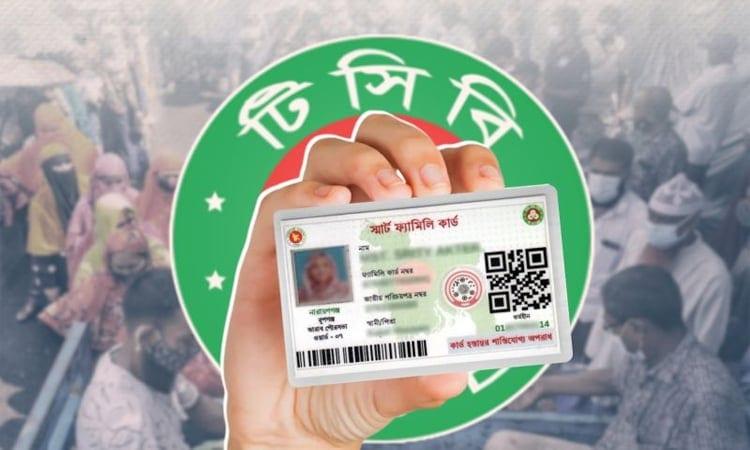
The TCB Chairman emphasised that the corporation's future strategy is to ensure that essential commodities remain available at affordable prices while maintaining product quality and responding directly to consumer demand. TCB is moving towards full automation of its supply chain and developing a new mobile-based system for beneficiaries to access their smart-card information digitally and make payments through mobile financial services or in cash.