In a significant call to action, environmental activists and civil society leaders in Netrakona district have demanded the strict enforcement of the 'Natural Water Reservoir Conservation Act, 2000'. They emphasized the need to preserve at least 10 to 15 percent of total urban areas as wetlands to maintain ecological balance and prevent environmental degradation, ensuring a livable city for residents.
Workshop Highlights Urgent Environmental Concerns
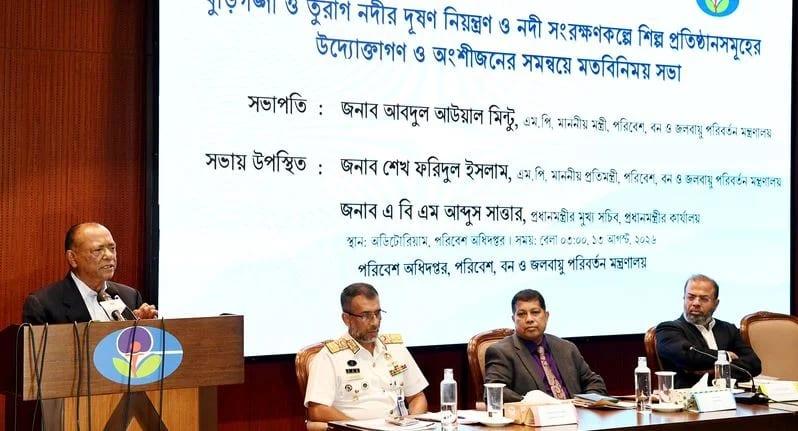
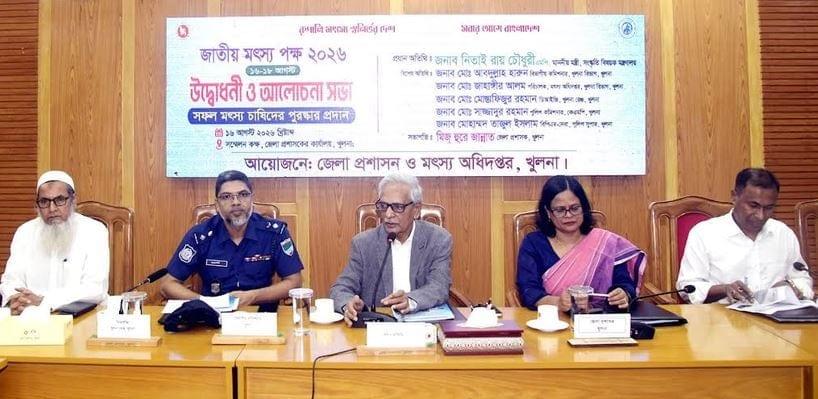
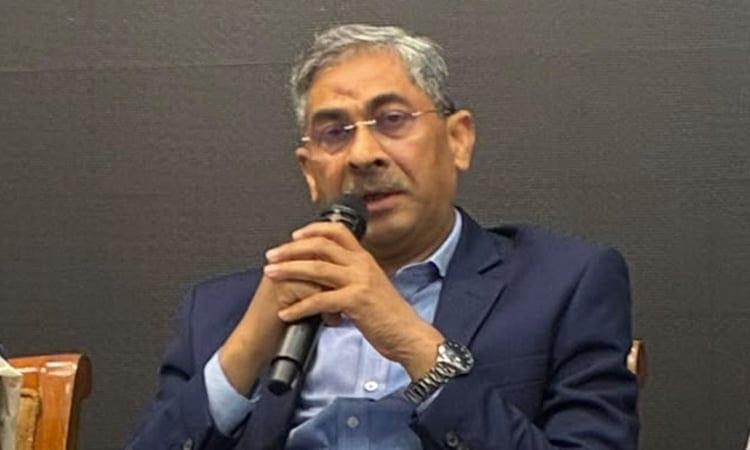
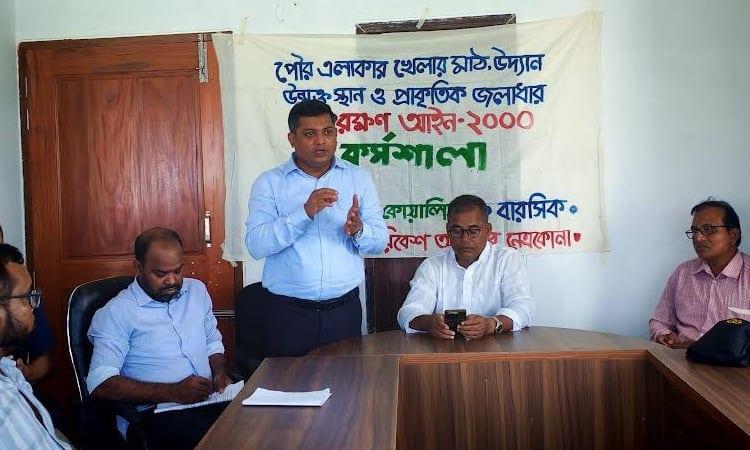
The demand was made during a daylong workshop titled 'Enforcement of Open Space, Playground, Park, and Natural Water Reservoir Conservation Act-2000 in Municipal Areas for Building a Livable City'. The event, held at the hall room of the district Department of Environment (DoE), was jointly organized by the research and development organization 'BARCIK' and 'Green Coalition', in cooperation with the Netrakona District Department of Environment.
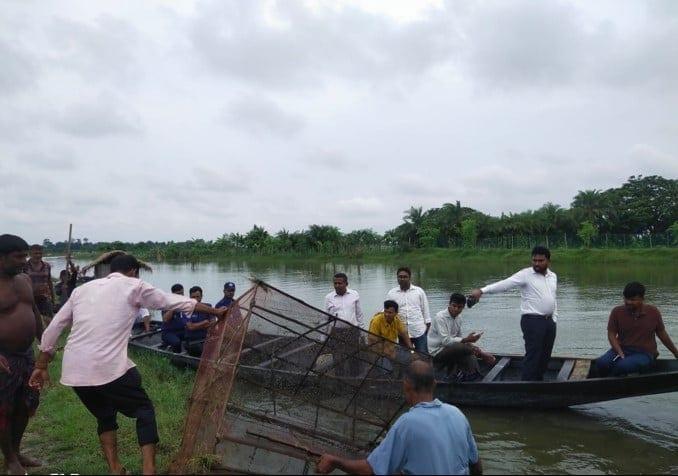
Expressing deep concern, the speakers at the workshop highlighted the illegal activities of filling up playgrounds, open spaces, parks, and water reservoirs identified in the master plan. They pointed out that despite existing laws, water bodies are being filled up and green zones are shrinking due to inadequate monitoring. This has led to rising temperatures in Netrakona town, destruction of biodiversity, and frequent severe waterlogging.
Call for Strict Implementation and Civic Monitoring
During the open discussion session, the speakers called upon the administration to take a strict stance in implementing environmental laws. They also emphasized the need for increased civic monitoring in every ward to ensure compliance. The workshop concluded with a commitment to building a healthy, green, and livable Netrakona.
The 'Natural Water Reservoir Conservation Act, 2000' aims to protect and conserve natural water reservoirs, ensuring their sustainable use and management. The act is crucial for maintaining ecological balance, preventing flooding, and preserving biodiversity. The enforcement of this act is essential to mitigate the adverse effects of urbanization and ensure a sustainable environment for future generations.