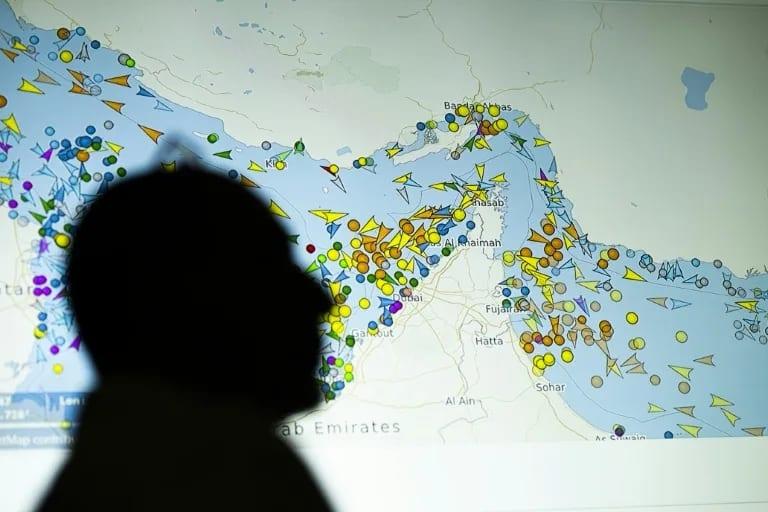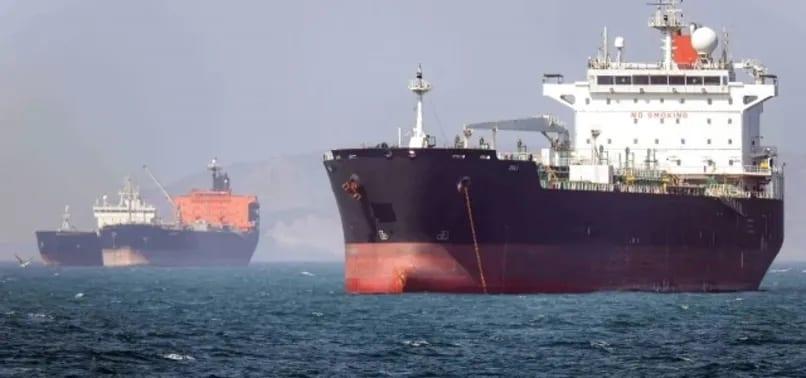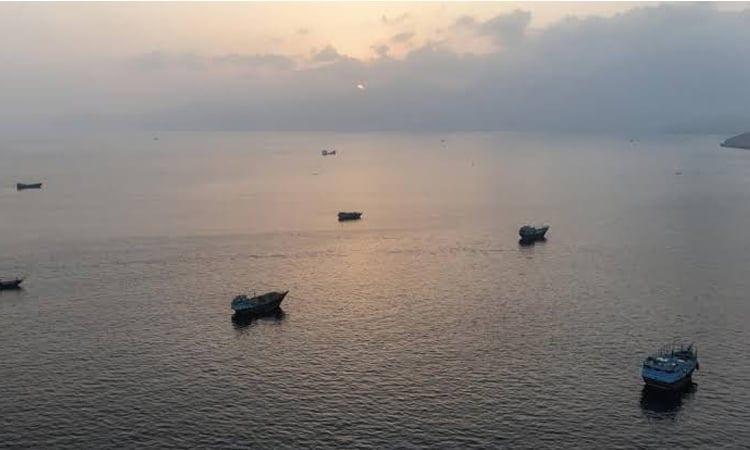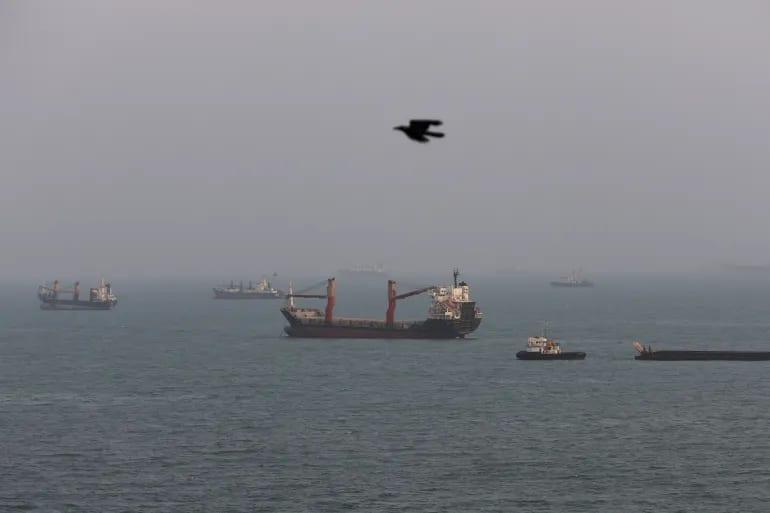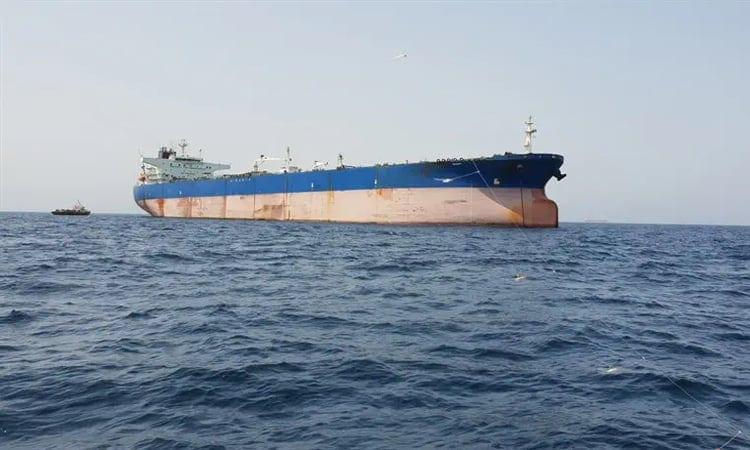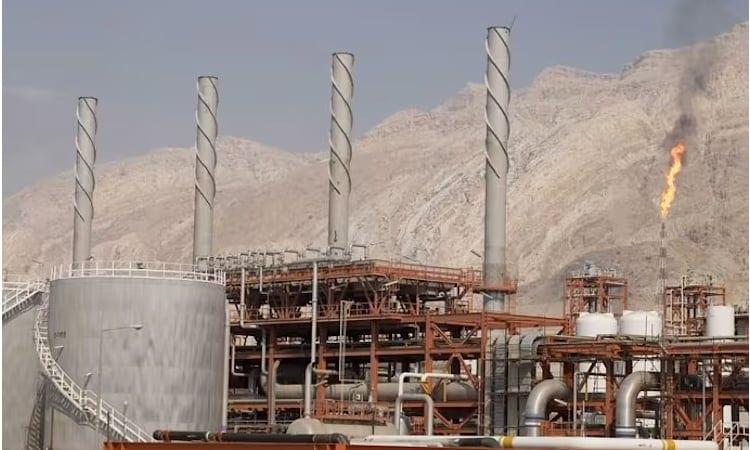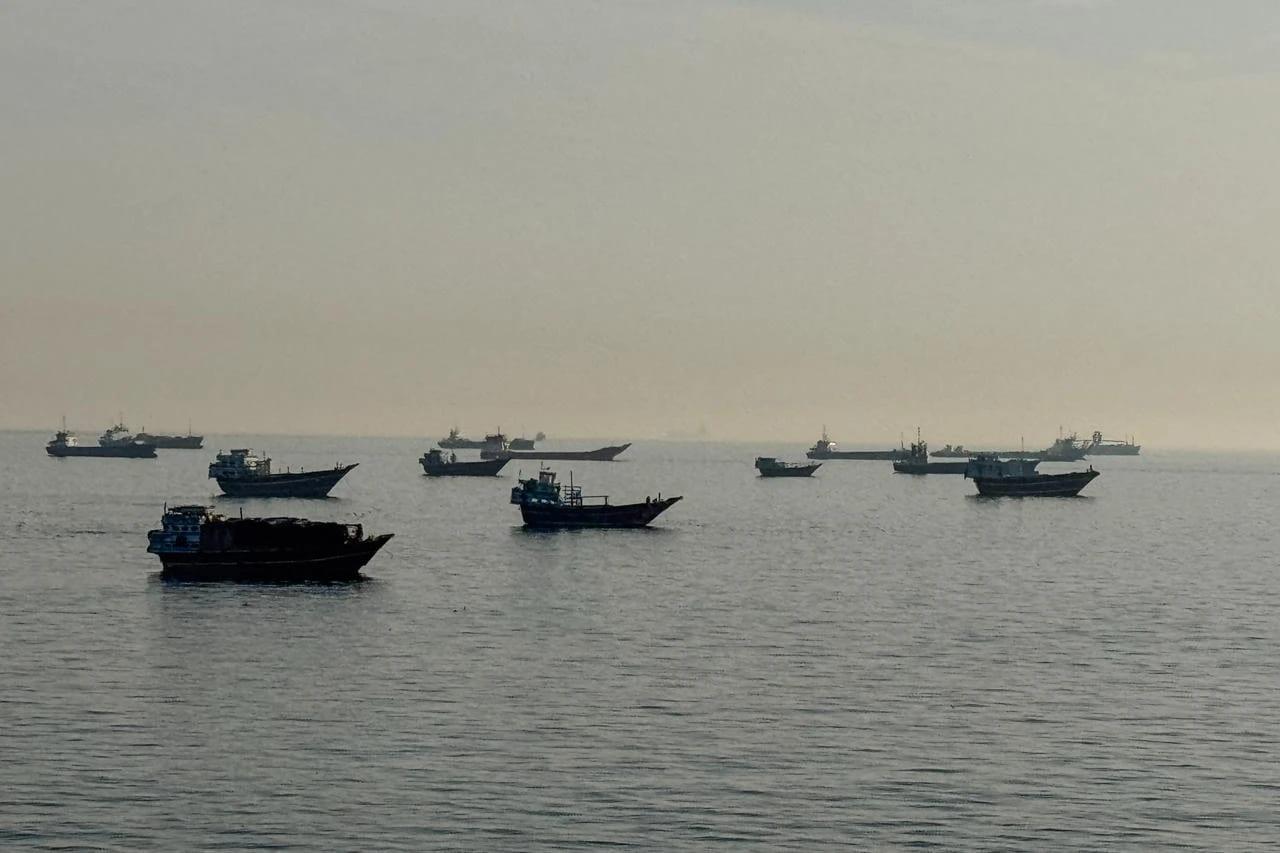
Oman's Foreign Minister Badr al-Busaidi is set to visit Iran on Tuesday to discuss the passage of ships through the Strait of Hormuz. This visit aims to strengthen bilateral cooperation and address regional security concerns. The Strait of Hormuz, a critical waterway for global oil and gas shipments, has been under Iran's control since the outbreak of the Middle East war on February 28. Iran requires vessels to obtain permission and pay transit fees before using the waterway.
The visit is part of ongoing political consultations between Oman and Iran, both littoral states of the Strait of Hormuz. Iran's foreign ministry spokesman Esmaeil Baqaei highlighted that the consultations aim to enhance peace and security in the region. During the visit, al-Busaidi will meet with Iran's Foreign Minister Abbas Araghchi to discuss bilateral and regional issues.
The United States has called for the strait to return to its pre-war system of free navigation. US President Donald Trump has claimed that Washington "has total control" over Hormuz, through which around one-fifth of the world's oil and LNG exports passed before the war. However, Iran insists that even if new shipping routes through the strait are established, the waterway will not open unless the US meets broader demands, including lifting the blockade on Iranian ports.
The Strait of Hormuz is the only entrance to the Gulf and separates Iran and Oman. Both countries have been in talks to establish a new route through the strait, but a deal has not yet been finalized. The outcome of these talks is crucial for global energy markets, as any disruption in the strait could lead to significant increases in oil prices.
The visit by Oman's foreign minister underscores the importance of diplomatic efforts to manage the strategic waterway. The consultations between Oman and Iran are expected to focus on finding a balanced solution that addresses the security concerns of both countries while ensuring the free flow of oil and gas through the strait.
For Bangladesh, the stability of the Strait of Hormuz is vital as the country relies heavily on imported oil for its energy needs. Any disruption in the strait could lead to increased oil prices, impacting Bangladesh's economy. Therefore, the successful outcome of the consultations between Oman and Iran is of significant interest to Bangladesh.