Shein, the Chinese-founded fast-fashion giant, is set to debut on the Hong Kong stock exchange next month, valued at nearly US$27 billion. Known for its vast array of affordable clothing, Shein has rapidly gained global popularity, leveraging social media for marketing. However, the company faces allegations of labor and environmental abuses, as well as regulatory scrutiny. Shein's competitive edge lies in its efficient supply chain and data-driven product development, though it has been accused of intellectual property infringement and fostering a culture of overconsumption.
Shein's Business Model
Shein's main competitive advantage is its ability to offer a wide variety of items at ultra-low prices. The company utilizes hyper-efficient product development and supply chains to maintain its massive catalogue. Customers are drawn to its affordable prices, especially in an era of shrinking purchasing power due to inflation.
Controversies and Challenges
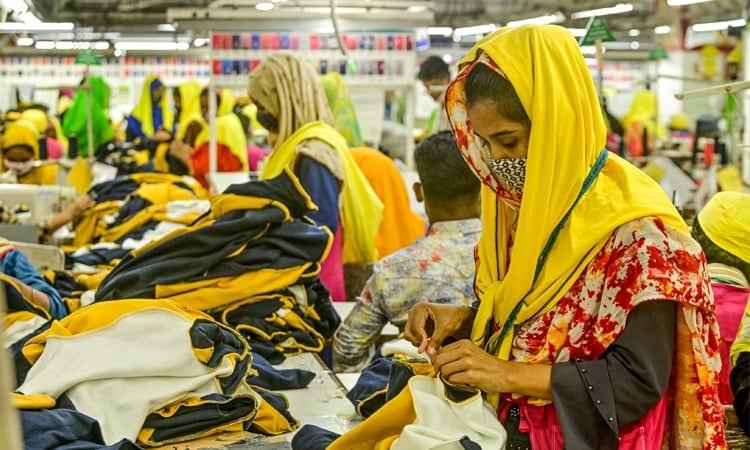
Shein has faced numerous allegations, including labor and environmental abuses, and has been scrutinized by regulators. The company has been accused of intellectual property infringement, with over 40 related lawsuits disclosed in July. Its rapid growth, largely driven by social media marketing, has also led to controversies, such as a 2023 factory tour for Western influencers that sparked backlash over alleged labor violations.
Regulatory and Environmental Concerns
In 2024, the European Union added Shein to its list of digital companies subject to stricter safety curbs. The European Commission launched an investigation into Shein's compliance with the Digital Services Act in February this year. Additionally, Shein has been criticized for its environmental practices, ranking last in a list of major fashion brands by US-Canadian campaign group Stand Earth. France is set to impose per-item fees on Shein and other 'ultra-fast fashion' platforms to curb overconsumption.
Why This Matters for Bangladesh
Shein's success and controversies highlight the challenges and opportunities within the fast-fashion industry. For Bangladesh, a major player in the global textile manufacturing sector, Shein's model of low-cost production and rapid delivery could offer both economic benefits and environmental concerns. The company's reliance on efficient supply chains and data-driven design could influence local manufacturers to adopt similar practices, potentially impacting labor conditions and environmental standards.