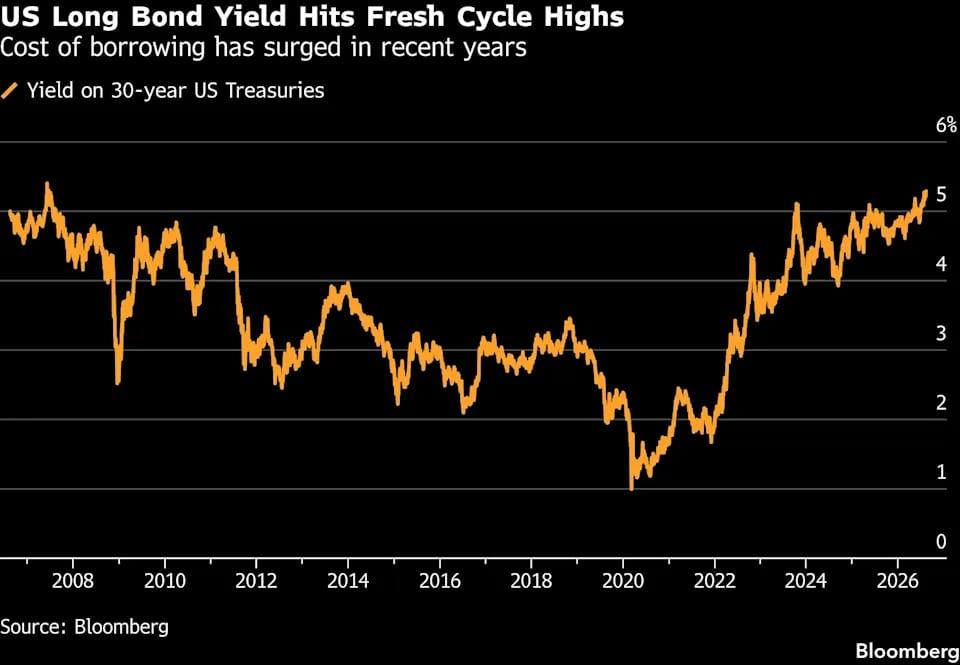
Asian stocks edged higher on Friday as investors evaluated the US Treasury's move to reduce long-term bond yields. However, analysts cautioned that this alone would not be sufficient to prevent borrowing costs from spiking. Treasury Secretary Scott Bessent pledged additional tools to support the market, but US markets remained sceptical amid concerns over inflation and government borrowing.
The US Treasury announced plans to increase sovereign bond buybacks, which initially sent long-term rates plunging. However, rates rebounded, with Mark Malek of Muriel Siebert & Co describing the move as a short-term solution. Bessent told CNBC that the department has a 'big toolkit' to address rising yields, which he believes do not reflect underlying market fundamentals.
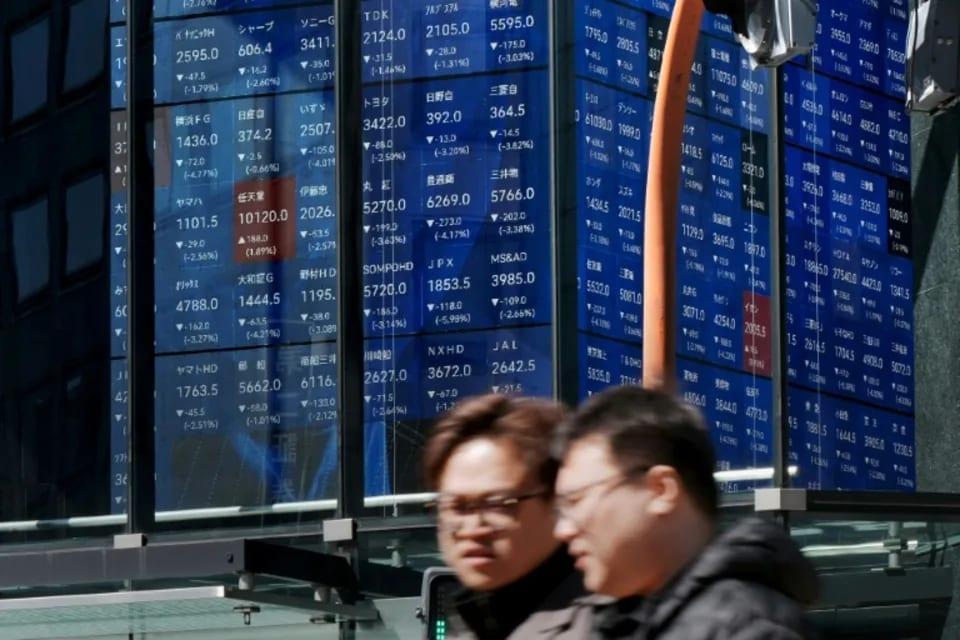
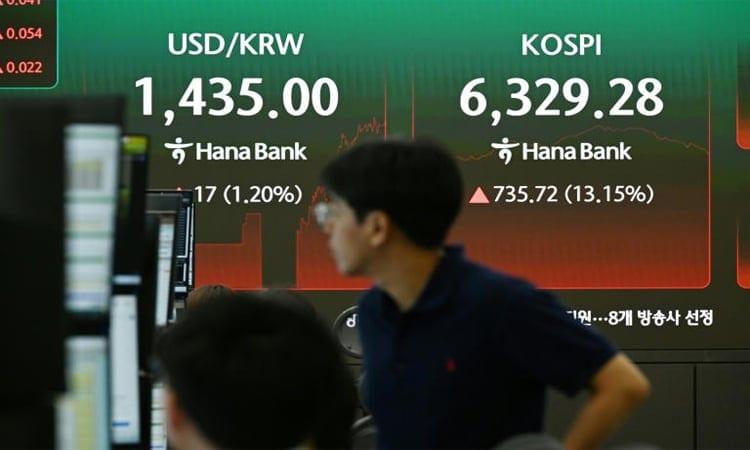
Despite the Treasury's efforts, Wall Street saw declines, with tech firms particularly affected due to their reliance on debt. In contrast, Asian markets performed better, driven by gains in tech-heavy Seoul, where Samsung and SK hynix led the rally. Hong Kong, Singapore, Wellington, and Taipei also saw rises, while Tokyo, Sydney, and Shanghai dipped.
On currency markets, the yen strengthened against the dollar as Japanese inflation rose due to higher oil prices, influenced by the Middle East crisis. This gave the Bank of Japan room to potentially hike interest rates next month. The increase in yields has been attributed to various factors, including increased government spending and corporate bond issuance.
Michael Hewson at MCH Market Insights noted that governments' increased spending and corporate bond issuance have created an excess supply, weighing on global sovereign debt markets. Additionally, Fed Chair Kevin Warsh's refusal to provide forward guidance on monetary policy has added to market uncertainty. Traders are now looking to his speech at next week's Jackson Hole meeting for clarity.
The global economic landscape remains uncertain, with ongoing concerns over inflation, government borrowing, and geopolitical tensions. For Bangladesh, these developments highlight the interconnectedness of global markets and the need for careful monitoring of international economic trends to mitigate potential impacts on the local economy.