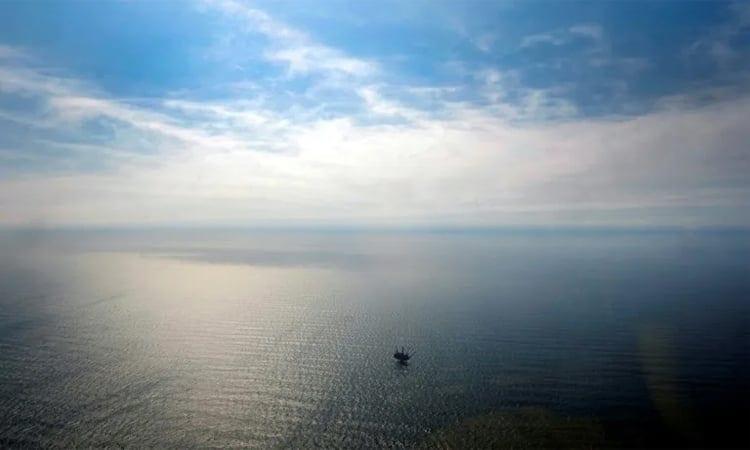
British Prime Minister Andy Burnham must decide whether to authorise two North Sea drilling projects, an issue that has divided his Labour Party. The decision pits Labour's climate ambitions against the need to boost domestic energy supplies and ease surging household bills. Jackdaw, a gas field east of Aberdeen, and Rosebank, an oil field west of the Shetland Islands, were previously approved by the Conservative government but face reapplication after a Scottish court ruling.
Adura, a joint venture between Shell and Equinor, owns Jackdaw and is the majority owner of Rosebank. Jackdaw is ready for immediate operation, while Rosebank requires more time. Labour pledged not to approve new drilling licences but faces pressure from Conservatives and US President Donald Trump to open up new drilling. The real question for Britons is whether new drilling would lower household energy bills, which have risen due to international conflicts.
UK energy prices are influenced by international markets, meaning the impact of increased domestic production could be limited. Gas from Jackdaw could reduce some liquefied natural gas (LNG) imports, potentially improving energy self-sufficiency. However, the expected volumes are modest, and the impact on electricity bills would be limited unless specific mechanisms are introduced to redistribute revenues.
FAQs
Q: What are the environmental consequences of these projects? A: If UK oil and gas consumption remains the same, developing these fields would have little effect on overall emissions. However, environmental advocates argue that additional fossil fuel production can encourage more consumption and delay the energy transition.
Q: How would these projects affect UK energy prices? A: UK energy prices are heavily influenced by international markets. While increased domestic production could theoretically reduce prices, the actual impact may be limited unless specific mechanisms are introduced to redistribute revenues.
Q: What is the current status of the projects? A: Both projects were approved by the previous Conservative government but must reapply after a Scottish court ruled that their environmental impact assessments failed to consider indirect carbon emissions.
Q: What are the political implications of this decision? A: The decision has divided the Labour Party, with some supporting drilling for security of supply and affordability, while others prioritize the commitment to net zero. Pressure from the opposition Conservatives and US President Donald Trump adds to the political complexity.