British energy major BP reported soaring profits for the second quarter of 2026, driven by escalating oil and gas prices resulting from ongoing conflict in the Middle East. The company's net profit after tax surged to $3.91 billion, more than doubling from $1.62 billion in the same period last year. This marks one of the most turbulent times in the global energy market, according to BP's CEO Meg O'Neill.
Impact of the Middle East Conflict
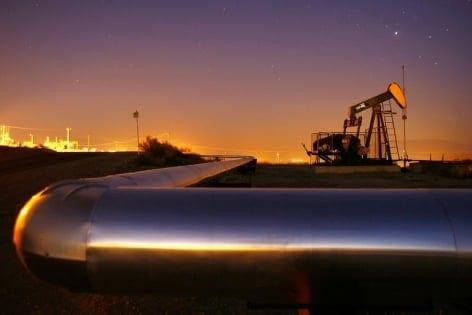
The ongoing conflict in the Middle East has significantly disrupted global energy supplies, leading to a dramatic increase in oil and gas prices. BP's revenue for the second quarter rose by 47% to $70 billion, reflecting the heightened demand and prices for fossil fuels.
CEO's Reflection on Company Performance
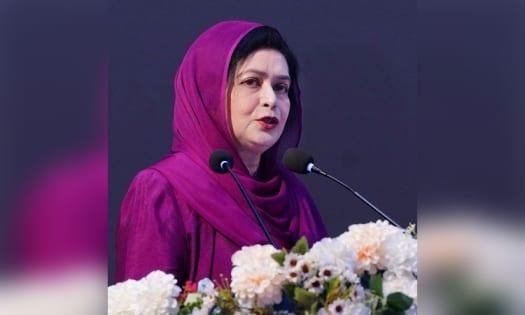
BP CEO Meg O'Neill acknowledged that the company's performance has not met expectations, particularly in comparison to its global competitors. O'Neill highlighted the need to maximize the company's potential, noting that BP has been pivoting back to its oil and gas business, reducing investments in clean energy.
Strategic Business Moves
In response to the volatile market, BP has initiated steps to sell its North Sea business. This move comes as the UK's Prime Minister Andy Burnham considers easing restrictions on oil drilling in the area. BP's strategy reflects a broader industry trend of energy companies adjusting their portfolios to capitalize on current market conditions.
Why This Matters for Bangladesh
The spike in oil prices due to the Middle East conflict could have significant implications for Bangladesh, particularly in terms of energy costs and economic stability. As a major importer of oil, Bangladesh is likely to face higher energy expenses, which could impact its overall economic performance and inflation rates.