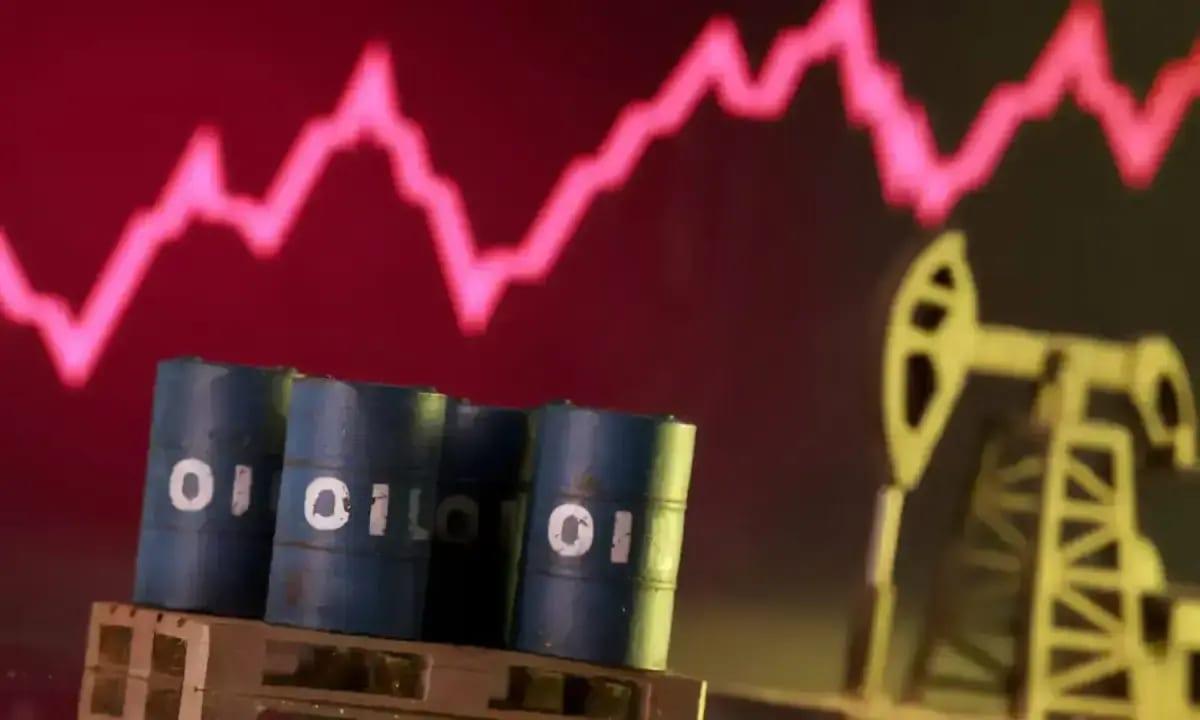
Oil prices surged on Monday, pushing Brent crude above $107 a barrel as escalating tensions in the Middle East stoked fears of disruptions to global energy supplies. Brent crude for November delivery gained 2.8 percent to $107.54 a barrel, while US benchmark West Texas Intermediate for October rose 2.3 percent to $102.34. Both contracts extended last week's gains after climbing back above the $100 threshold.
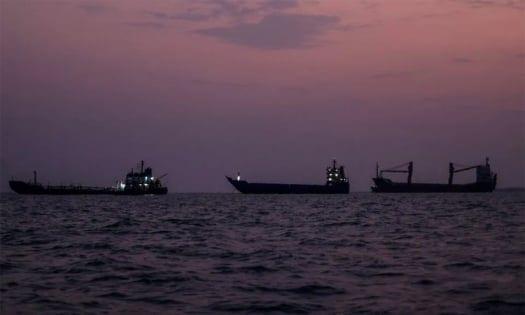
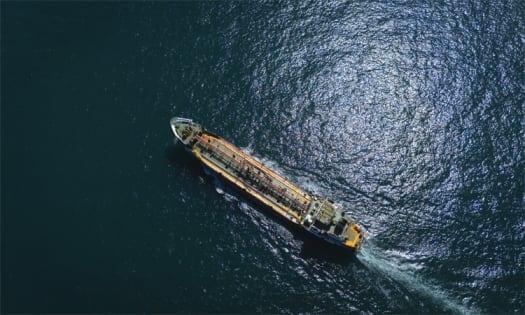
The market's focus remained firmly on the Middle East, where fresh security concerns threatened key export routes. This came as Saudi Arabia temporarily shut its East-West pipeline following drone attacks, while a merchant vessel was struck in the Strait of Hormuz on Sunday, killing one person and injuring three others, according to Iranian authorities.
The Strait of Hormuz, a vital route for a large share of the world's seaborne oil trade, has seen increased tensions. Iran now requires vessels to obtain permission to transit and is considering a mechanism to impose service fees. Ships that do not comply are regularly targeted by Iranian strikes, while the United States periodically bombs the Iranian coastline to challenge the Islamic republic's control of the strait.
Oman has also postponed talks between Iran and Gulf states on the future of the strategic waterway. The ongoing instability in the region has heightened concerns about the security of global oil supplies, leading to increased volatility in oil markets.
The rise in oil prices has significant implications for global economies, particularly for oil-importing countries. Higher oil prices can lead to increased costs for transportation and manufacturing, potentially leading to higher inflation and reduced economic growth. For oil-exporting countries, higher prices can mean increased revenue, but the instability in the region poses risks to their production and export capabilities.
In Bangladesh, the rise in global oil prices could lead to increased costs for imported oil, affecting the country's balance of payments and potentially leading to higher fuel prices for consumers. The government may need to consider measures to mitigate the impact of higher oil prices on the economy, such as increasing subsidies or exploring alternative energy sources.