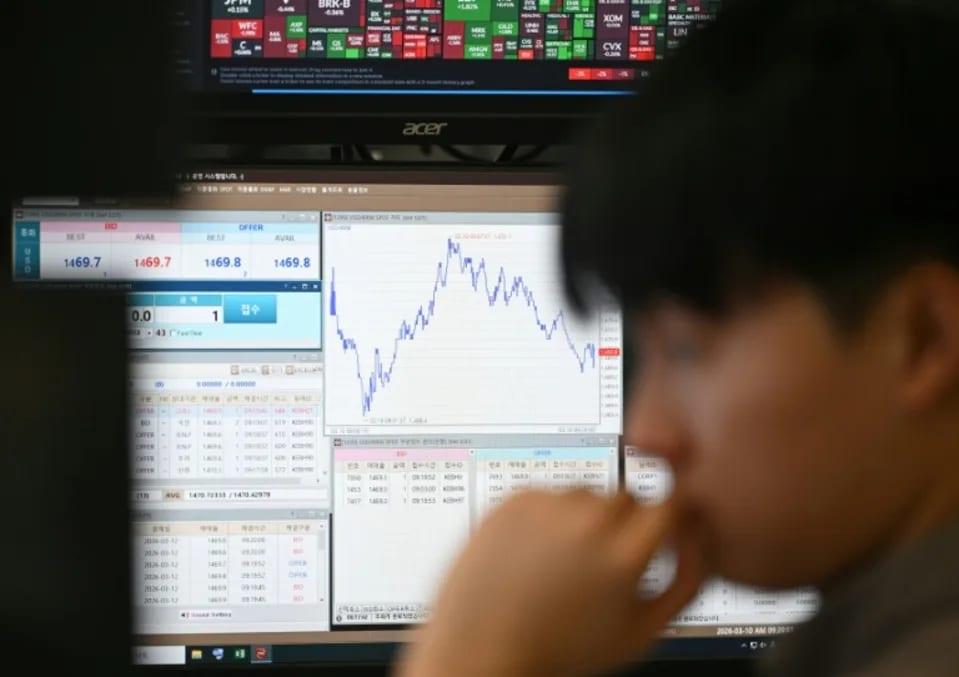
Stock markets around the world are experiencing significant declines as oil prices continue to soar, driven by escalating Middle East conflicts. The surge in oil prices, which broke the psychological $100 barrier, is raising fears of inflation and prompting speculation that central banks may need to hike interest rates to stabilize prices. The ongoing hostilities around the Strait of Hormuz and the conflict between Saudi Arabia and Yemeni rebels have further escalated the crisis, leading to a rally in oil prices and a sell-off in stocks.
Oil Prices Surge Amid Middle East Tensions
Brent crude surpassed $100 per barrel for the first time since July, marking a more than 20 percent increase in less than a week. The conflict around the Strait of Hormuz, a critical chokepoint for global oil shipments, has intensified as Iran and the US exchange strikes. Iran announced it hit more than a dozen ships attempting to pass through the strait and expanded a no-go zone outside the waterway. Meanwhile, Saudi Arabia faces strikes on its oil facilities by Houthi rebels, further tightening the supply of crude oil.
The surge in oil prices has significant implications for global inflation. US diesel prices have already reached a record high of almost $6 per gallon, and there is growing speculation that the Federal Reserve and other central banks may need to raise interest rates to curb rising prices. The European Central Bank is expected to lift borrowing costs in response to the inflationary pressures.
Market Reactions and Economic Implications
The escalating oil prices and inflation fears have led to a sharp decline in stock markets worldwide. Major indexes in the US, Europe, and Asia all recorded significant losses. In Asia, markets in Seoul, Hong Kong, and Sydney fell more than one percent, while Tokyo, Shanghai, Singapore, Wellington, Taipei, and Manila also saw substantial declines.
Neil Wilson at Saxo Markets noted that September is historically a tough month for Wall Street and that the next phase for investors will likely focus more on macroeconomic factors, particularly central banks and inflation. The rise in government bond yields, driven by inflation concerns, further underscores the market's anxiety over the economic outlook.
In company news, shares in Japanese gaming giant Nintendo sank 5.5 percent following an underwhelming online showcase of upcoming games. Analyst Serkan Toto of Kantan Games commented that Nintendo has shown all it has for this calendar year, with a lack of big original titles, which disappointed investors.