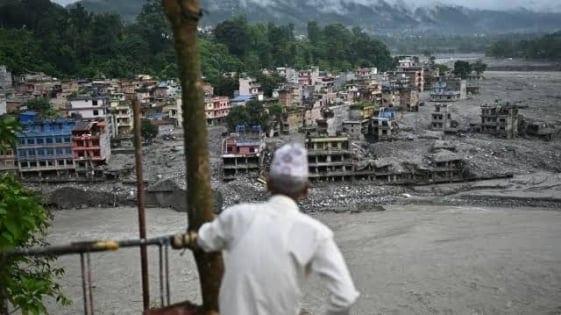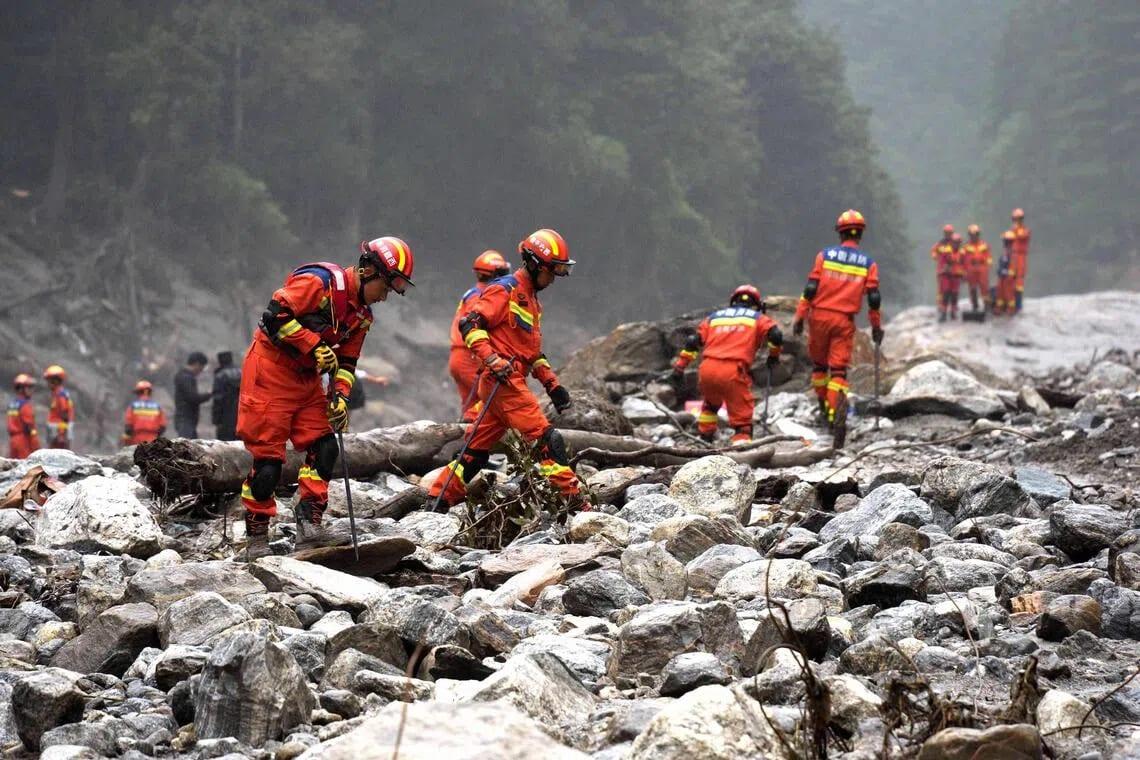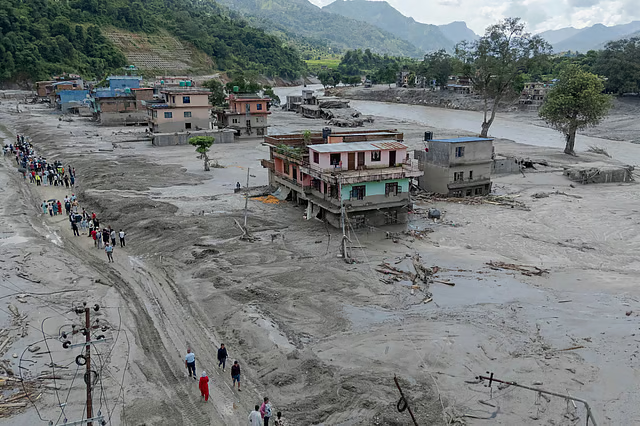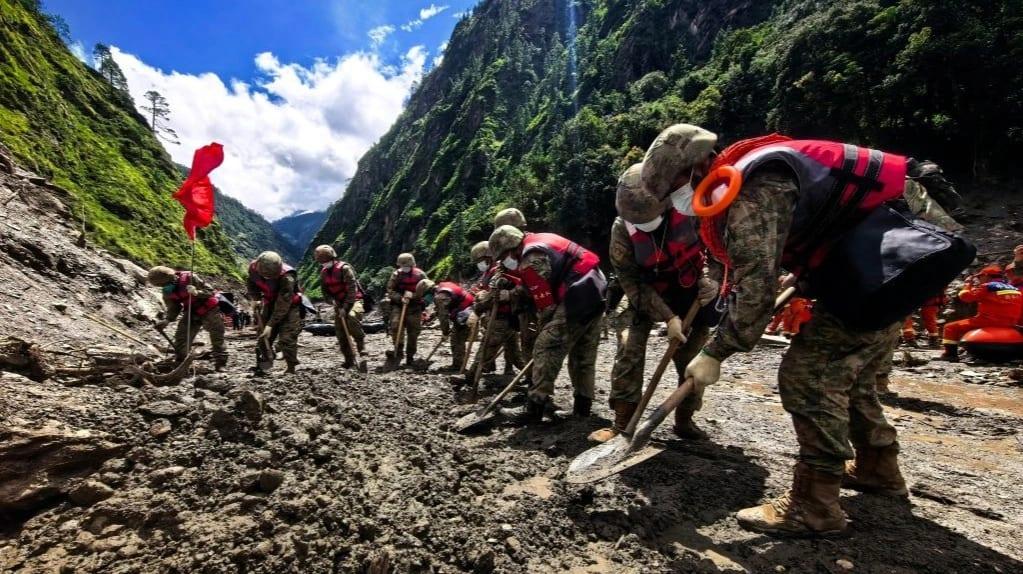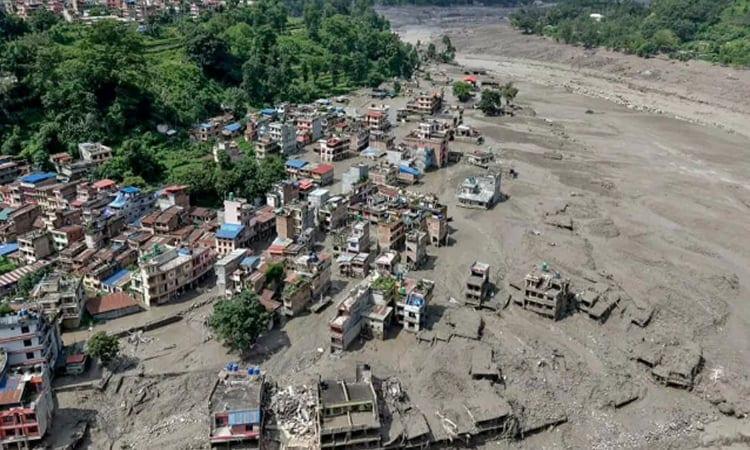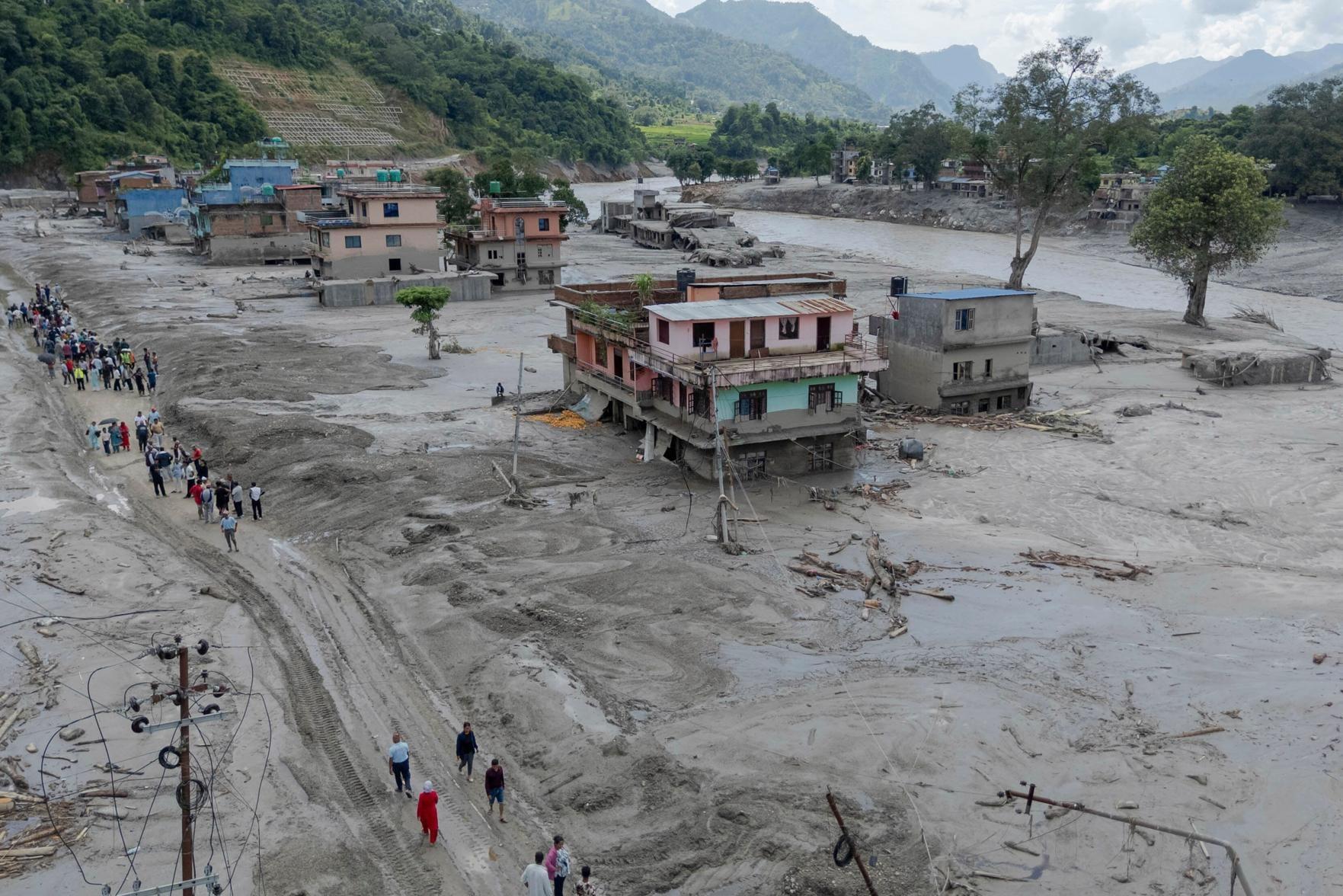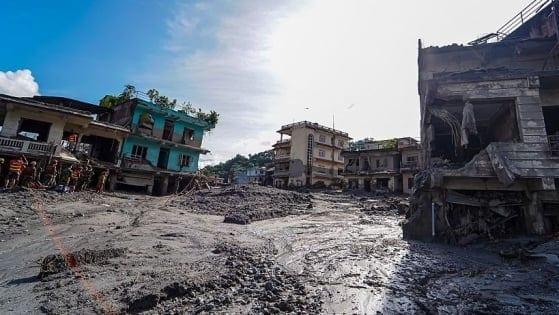
Nepali rescuers are still searching for survivors trapped in hydropower tunnels two weeks after deadly flooding, triggered by a glacial mountain collapse, struck the region. The August 26 disaster, which began on the China-Nepal border, has resulted in the deaths of more than 1,401 people and left 5,845 missing. Rescue efforts are ongoing at the Trishuli 3A, 3B, and Chilime hydropower projects. In Nepal, 1,358 bodies have been recovered, and 5,326 people remain missing. China has reported 43 deaths and 519 missing. Hundreds of foreigners and hydropower workers are among the missing. Three people have been rescued from deep inside the tunnels, but no further survivors have been confirmed since then. The exact cause of the glacial collapse remains unclear, though climate change is accelerating glacial melt worldwide, increasing the risk of such disasters. Nepal, a largely rural nation of 30 million, has said reconstruction could cost billions of dollars.
Ongoing Rescue Efforts
The Nepal Army, alongside other rescue teams, continues to work tirelessly in the affected areas. Nepal Army spokesman Raja Ram Basnet confirmed that search and rescue operations in the hydropower tunnels are ongoing. The efforts are complicated by the extensive damage and challenging terrain. Despite the passage of two weeks, authorities have not given up hope of finding more survivors.
Impact and Casualties
The flooding has had a devastating impact on both Nepal and China. In Nepal, the disaster has resulted in 1,358 confirmed deaths and 5,326 people missing. China has reported 43 deaths and 519 missing. The disaster has particularly affected hydropower workers and foreign nationals in the region. The search for the missing continues, with hundreds still unaccounted for.
Climate Change and Glacial Melt
While the exact cause of the glacial collapse is not yet clear, the event highlights the growing threat of climate change. Accelerated glacial melt, driven by rising global temperatures, increases the risk of such catastrophic events. Nepal, which has contributed little to greenhouse gas emissions, is among the countries most vulnerable to the impacts of climate change. The disaster underscores the urgent need for global action to address climate change and its consequences.