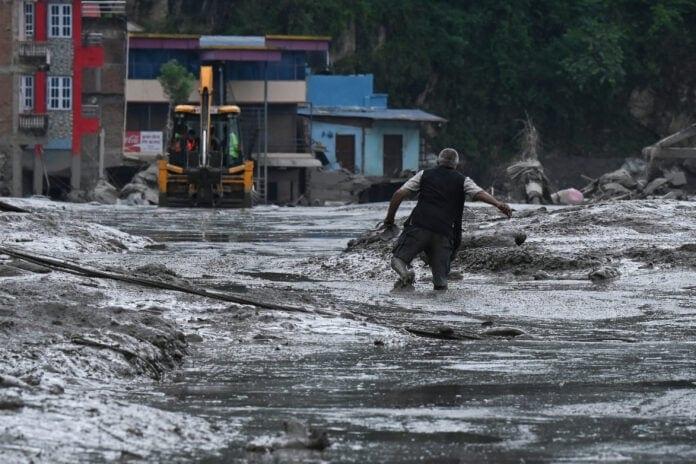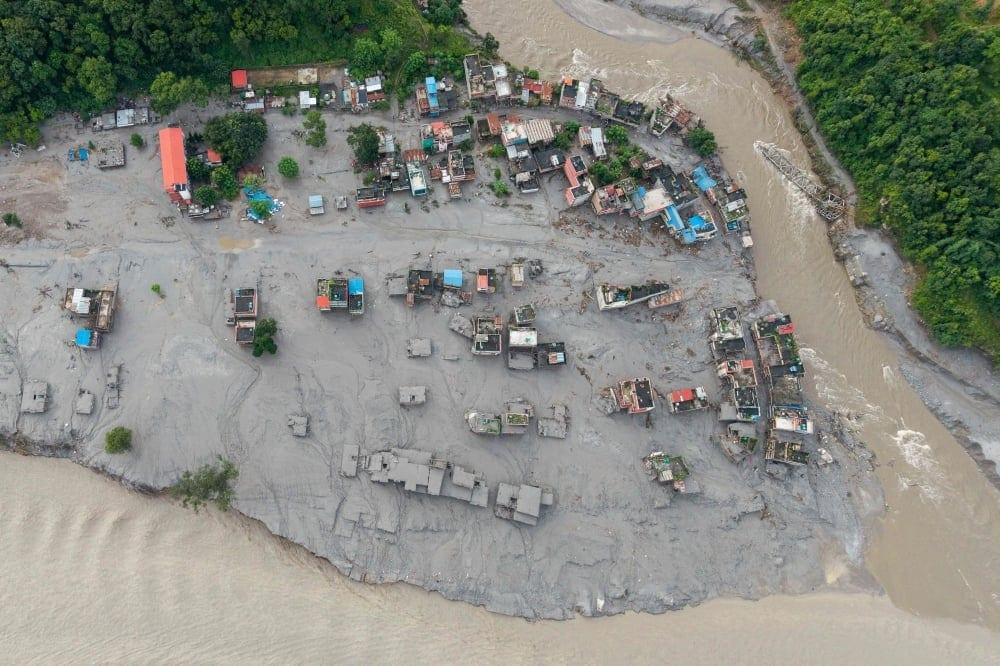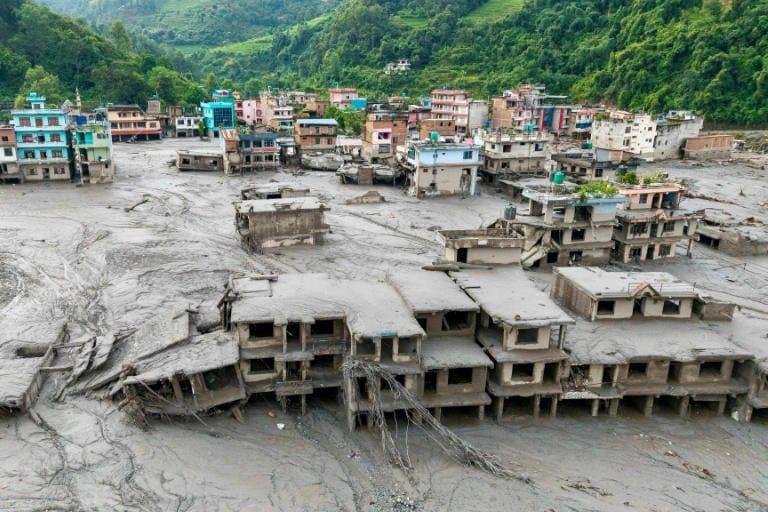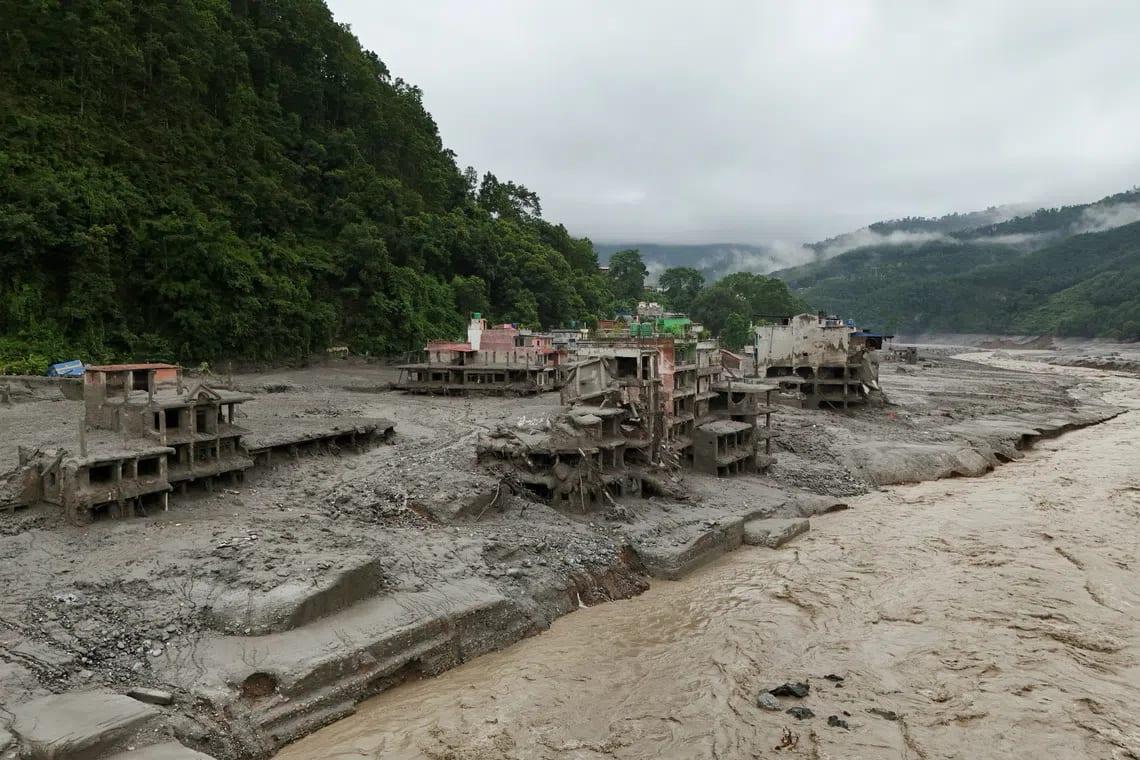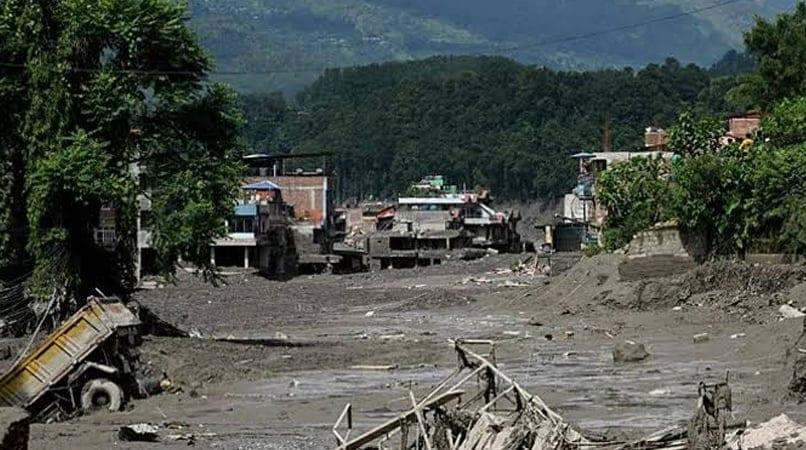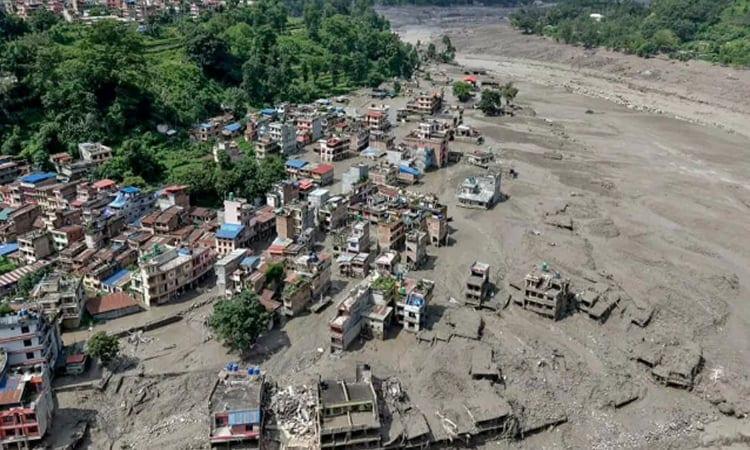
Rescue teams are urgently searching for over 1,300 people missing after flash floods and landslides devastated the Nepal-Tibet border, killing at least 165. The disaster, believed to be caused by a glacial collapse, swept away entire villages and left many foreign tourists unaccounted for.
Catastrophic Flooding and Landslides
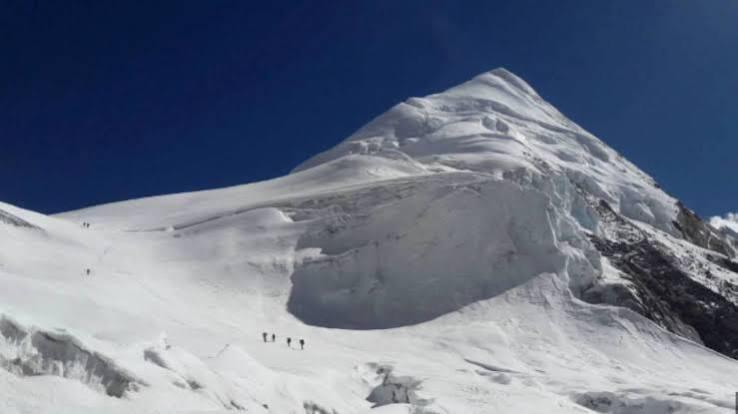
The floods, described as an 'inland tsunami,' were triggered by a glacial collapse that sent a massive flow of debris down the Bhote Koshi and Trishuli rivers. Surveillance footage from the Chinese side of the border shows a towering wall of mud and debris engulfing buildings and sweeping away vehicles. Nepali police have recovered 162 bodies, while 823 people, including 579 Nepali and foreign tourists, remain missing in Nepal. Across the border in Tibet, three lives were lost, and 558 people, including 260 foreigners, are unaccounted for.
Rescue and Relief Efforts
Rescue operations are in full swing, with teams from Nepal and China working together to search for survivors. The Nepali Army has conducted rescue flights and urged residents in danger zones to relocate. China has mobilized nearly 800 emergency workers, 150 vehicles, sniffer dogs, and speed boats to aid in the rescue efforts. The International Federation of Red Cross and Red Crescent Societies has dispatched emergency supplies including blankets, first aid kits, stretchers, and body bags.
Impact on Foreign Tourists and Locals
Many of the missing are foreign tourists from countries including India, Australia, Britain, Malaysia, the Netherlands, Portugal, South Africa, South Korea, and the United States. Hiking company Himalayan Glacier reported that 47 people from a group, including two children, are missing in Nepal. Local residents have also been affected, with many losing their homes and loved ones. Raju Bhadel, a businessman in Nepal's Nuwakot district, shared that his brother-in-law's entire house was swept away, and his brother remains missing.
Climate Change and Future Risks
The US Geological Survey attributed the disaster to a glacial collapse, highlighting the risks posed by climate change. Qianggong Zhang, head of climate and environmental risks at the International Centre for Integrated Mountain Development, warned of the potential for a second flood due to a blockage upstream on the Nepal-China border river. With many trekking companies not operating during the monsoon season, the region still sees significant numbers of travelers, including pilgrims visiting sacred sites like Mount Kailash.